Introduction
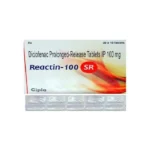
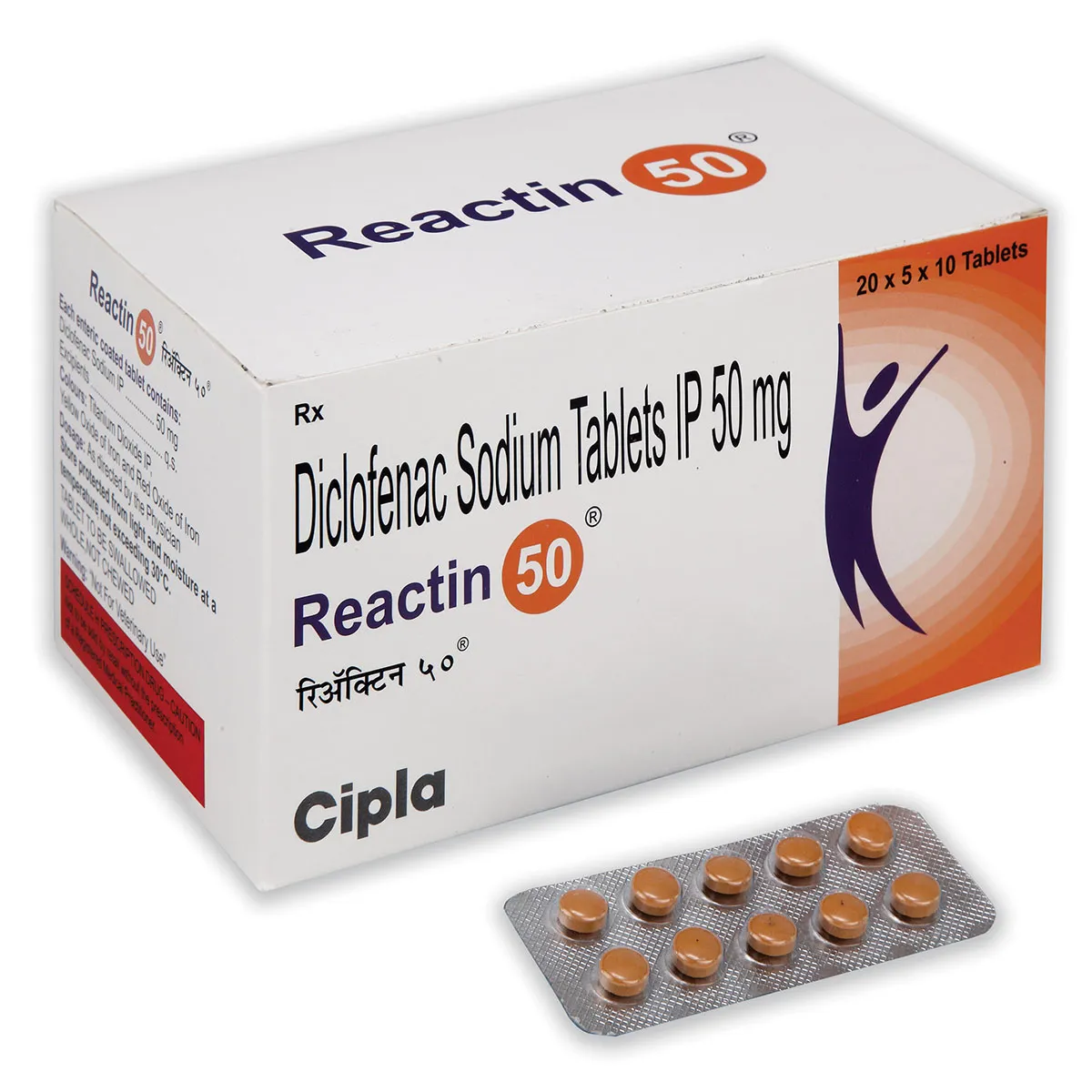
Reactin 50mg contains Diclofenac, one of the most widely used nonsteroidal anti-inflammatory drugs (NSAIDs). It is commonly prescribed to relieve pain, reduce inflammation, and lower fever. Diclofenac is effective in treating various conditions, including arthritis, musculoskeletal pain, injuries, and inflammatory disorders.
What is Diclofenac?
Diclofenac is a powerful NSAID that works by blocking cyclooxygenase (COX) enzymes, specifically COX-1 and COX-2. These enzymes play a vital role in the production of prostaglandins, chemicals responsible for pain, swelling, inflammation, and fever.
By reducing prostaglandin production, Diclofenac helps relieve discomfort and inflammation.
Indications and Uses of Reactin 50mg
Reactin 50mg is commonly used for:
1. Pain Relief
It helps reduce mild to moderate pain caused by:
- Dental pain
- Post-operative pain
- Musculoskeletal injuries
- Back pain and joint pain
2. Inflammatory Conditions
It is effective in managing:
- Rheumatoid arthritis
- Osteoarthritis
- Ankylosing spondylitis
- Gout-related inflammation
3. Acute Pain Conditions
Diclofenac may also be prescribed for:
- Migraine attacks
- Sports injuries
- Soft tissue injuries
- Bursitis and tendinitis
4. Menstrual Pain
It helps relieve painful menstrual cramps (dysmenorrhea) by reducing inflammation and pain.
Mechanism of Action
Diclofenac works mainly by blocking the COX-2 enzyme, which is activated during inflammation and contributes to prostaglandin production.
- COX-2 inhibition: Helps reduce pain, inflammation, and swelling.
- COX-1 inhibition: May affect the protective lining of the stomach, increasing the risk of gastrointestinal side effects.
Diclofenac has moderate COX-2 selectivity, which contributes to its effectiveness while lowering stomach-related complications compared to some older NSAIDs.
Dosage and Administration
- Typical Dose: Usually 50mg taken 1–2 times daily, depending on the severity of symptoms and medical advice.
- Maximum Dose: Generally 150mg per day, divided into multiple doses.
- How to Take: Swallow the tablet with water.
- With Food: It is best taken with meals or milk to reduce stomach irritation.
- Duration: Use the lowest effective dose for the shortest duration possible to minimize side effects.
Always follow your healthcare provider’s instructions.
Benefits of Reactin 50mg
- Provides effective pain relief
- Reduces inflammation and swelling
- Improves joint mobility and physical comfort
- Useful for both acute and chronic pain conditions
- Helps manage arthritis-related symptoms
Side Effects of Reactin 50mg
Like all medicines, Reactin 50mg may cause side effects.
Common Side Effects
- Nausea
- Indigestion
- Stomach pain
- Diarrhea or constipation
- Headache
- Dizziness
- Skin rash or itching
- Fluid retention or swelling
Serious Side Effects
- Stomach ulcers or gastrointestinal bleeding
- High blood pressure
- Heart attack or stroke risk, especially with long-term use
- Kidney problems
- Liver dysfunction
- Severe allergic reactions, including anaphylaxis
Seek immediate medical help if you experience black stools, severe stomach pain, chest pain, breathing difficulties, or swelling.
Precautions and Contraindications
Pre-existing Medical Conditions
Use cautiously in patients with:
- Heart disease
- High blood pressure
- Kidney or liver disease
- Asthma
- Stomach ulcers or digestive problems
Pregnancy and Breastfeeding
Diclofenac is not recommended during pregnancy, especially in the third trimester, as it may affect fetal development.
Allergy to NSAIDs
Avoid Reactin 50mg if you are allergic to:
- Diclofenac
- Aspirin
- Other NSAIDs
Alcohol Consumption
Avoid excessive alcohol intake, as it may increase the risk of stomach bleeding.
Drug Interactions
Reactin 50mg may interact with:
- Blood thinners (e.g., Warfarin): Increased bleeding risk
- Other NSAIDs or corticosteroids: Higher chance of stomach ulcers
- ACE inhibitors and diuretics: Reduced effectiveness and kidney risk
- Antidepressants (SSRIs): Increased bleeding risk
- Methotrexate and Lithium: Increased toxicity
Always tell your doctor about all medications and supplements you are taking.
Monitoring During Treatment
Long-term users may require monitoring for:
- Kidney function
- Liver function tests
- Blood pressure
- Signs of gastrointestinal bleeding
- Cardiovascular health
Patient Counseling Tips
- Take Reactin with food or milk to reduce stomach upset.
- Avoid taking multiple NSAIDs together unless prescribed.
- Stay well-hydrated during treatment.
- Avoid excessive alcohol consumption.
- Report serious symptoms such as severe abdominal pain, black stools, chest pain, or breathing difficulty immediately.
- Use the medicine only as directed and avoid long-term self-medication.
Conclusion
Reactin 50mg (Diclofenac) is an effective anti-inflammatory and pain-relief medicine used for arthritis, injuries, inflammation, and musculoskeletal pain. By blocking COX enzymes and reducing prostaglandin production, it effectively manages pain and swelling. However, due to potential gastrointestinal, cardiovascular, liver, and kidney risks, it should be used carefully and under medical supervision, especially for long-term treatment. Proper dosing and regular monitoring help maximize benefits while minimizing risks.


Reviews
There are no reviews yet.