Introduction
Bacterial infections can affect different parts of the body, including the respiratory tract, skin, ears, urinary tract, and throat. If not treated properly, these infections may worsen and lead to complications. Raxitid 150mg is an antibiotic medicine that contains Roxithromycin, a macrolide antibiotic widely used to treat a broad range of bacterial infections.
Raxitid 150mg works by stopping bacterial growth, allowing the body’s immune system to fight and eliminate infection more effectively. It is especially effective in respiratory tract infections, skin infections, throat infections, and certain sexually transmitted diseases.
This detailed guide explains everything about Raxitid 150mg, including its uses, dosage, mechanism of action, benefits, side effects, precautions, interactions, and frequently asked questions.
What is Raxitid 150mg?
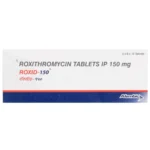
Raxitid 150mg is a prescription antibiotic medicine containing Roxithromycin 150mg as its active ingredient.
Roxithromycin belongs to the macrolide antibiotic class and is a semi-synthetic derivative of erythromycin. It is designed to combat bacterial infections by interfering with bacterial protein synthesis.
Unlike viral illnesses such as the common cold or flu, bacterial infections respond effectively to antibiotics like Roxithromycin.
Raxitid is often prescribed because of:
- Broad-spectrum antibacterial activity
- Better gastrointestinal tolerance than erythromycin
- Convenient dosing schedule
- Strong tissue penetration, especially in respiratory tissues
Composition of Raxitid 150mg
Each tablet generally contains:
Active Ingredient:
- Roxithromycin 150mg
Drug Class:
- Macrolide Antibiotic
How Does Raxitid 150mg Work?
Roxithromycin works by inhibiting bacterial protein production.
Bacteria need proteins to:
- Grow
- Multiply
- Repair themselves
- Spread infection
Roxithromycin binds to the 50S ribosomal subunit of bacteria, blocking protein synthesis.
As a result:
- Bacteria stop growing
- Infection progression slows
- The immune system destroys remaining bacteria
This action is known as bacteriostatic activity, meaning it prevents bacterial multiplication instead of directly killing bacteria.
Uses of Raxitid 150mg
Raxitid 150mg is prescribed to treat multiple bacterial infections.
1. Respiratory Tract Infections
It is commonly used for infections affecting the lungs and breathing passages, including:
- Bronchitis
- Pneumonia
- Sinusitis
- Pharyngitis
- Tonsillitis
It is especially useful against bacteria causing upper and lower respiratory tract infections.
2. Ear, Nose, and Throat (ENT) Infections
Doctors prescribe Raxitid for:
- Ear infections (Otitis media)
- Throat infections
- Tonsil infections
- Sinus infections
3. Skin and Soft Tissue Infections
Raxitid helps treat bacterial skin conditions such as:
- Cellulitis
- Impetigo
- Skin abscesses
- Infected wounds
4. Urinary Tract Infections (UTIs)
In certain bacterial UTIs, Roxithromycin may be prescribed based on bacterial sensitivity.
5. Sexually Transmitted Infections (STIs)
Roxithromycin may sometimes be used for infections such as:
- Chlamydia infections
6. Dental Infections
It may be prescribed for:
- Gum infections
- Dental abscesses
- Oral bacterial infections
Especially in patients allergic to penicillin.
Benefits of Raxitid 150mg
Raxitid offers several important advantages.
Broad-Spectrum Antibiotic
It treats many bacterial infections effectively.
Convenient Dosing
Usually taken once or twice daily.
Better Tolerability
Compared to older macrolides like erythromycin, Roxithromycin causes fewer stomach-related side effects.
Good Tissue Penetration
It reaches respiratory tissues effectively, making it highly useful for lung and throat infections.
Useful in Penicillin Allergy
Can be prescribed for patients who cannot tolerate penicillin antibiotics.
Dosage and Administration
The dosage of Raxitid depends on:
- Severity of infection
- Patient age
- Medical history
- Liver and kidney function
Typical Adult Dose
Usually:
150mg twice daily
OR
300mg once daily
as prescribed by a physician.
How to Take Raxitid 150mg
For best results:
- Take on an empty stomach
- Consume 15–30 minutes before meals
- Swallow with water
- Take at the same time every day
Treatment Duration
The treatment course usually lasts:
5–10 days
However, severe infections may require longer treatment.
Always complete the full antibiotic course, even if symptoms improve early.
Stopping treatment too soon may cause:
- Infection recurrence
- Antibiotic resistance
- Incomplete bacterial removal
Pharmacokinetics of Roxithromycin
Absorption
Roxithromycin is rapidly absorbed after oral administration.
Food may slightly reduce absorption, which is why it is usually taken before meals.
Distribution
The medicine distributes effectively into:
- Lung tissue
- Respiratory passages
- Skin tissues
- Soft tissues
Metabolism
It undergoes partial metabolism in the liver.
Excretion
The drug is eliminated through:
- Bile
- Urine
Side Effects of Raxitid 150mg
Like all medicines, Raxitid may cause side effects.
Common Side Effects
These are usually mild:
- Nausea
- Vomiting
- Diarrhea
- Abdominal discomfort
- Stomach pain
- Indigestion
- Headache
- Dizziness
- Taste disturbances
Mild Allergic Reactions
Some people may experience:
- Skin rash
- Itching
- Redness
Serious Side Effects
Seek immediate medical help if you experience:
Severe Allergic Reaction
Symptoms include:
- Swelling of face or throat
- Difficulty breathing
- Severe rash
Liver Problems
Watch for:
- Yellow eyes or skin
- Dark urine
- Persistent fatigue
- Severe stomach pain
Severe Diarrhea
Antibiotic-associated diarrhea may indicate:
Clostridium difficile infection
Heart Rhythm Problems
Rarely, Roxithromycin may prolong the QT interval, causing irregular heartbeat in susceptible individuals.
Symptoms may include:
- Palpitations
- Dizziness
- Fainting
Precautions and Warnings
Allergy to Macrolides
Avoid if allergic to:
- Roxithromycin
- Azithromycin
- Clarithromycin
- Erythromycin
Liver Disease
Patients with liver impairment should use caution.
Kidney Problems
Dose adjustment may sometimes be required.
Heart Conditions
People with rhythm disorders should consult their doctor before use.
Pregnancy and Breastfeeding
Use only under medical supervision if clearly necessary.
Avoid Self-Medication
Antibiotics should only be taken for bacterial infections prescribed by a doctor.
Drug Interactions
Raxitid may interact with several medicines.
Warfarin
May increase bleeding risk.
Antacids
Can reduce antibiotic absorption.
Theophylline
Blood levels may increase.
Carbamazepine
Risk of toxicity may rise.
Digoxin
Monitoring may be required.
Statins
May increase muscle-related side effects.
Always tell your doctor about:
- Prescription medicines
- OTC drugs
- Herbal supplements
- Vitamins
Antibiotic Resistance and Proper Use
Improper antibiotic use contributes to resistance.
To reduce resistance:
- Never skip doses
- Finish the full course
- Avoid unnecessary antibiotic use
- Never share antibiotics with others
Responsible use ensures long-term effectiveness.
Patient Counseling Tips
For best treatment results:
- Take medicine exactly as prescribed
- Complete the entire treatment course
- Avoid missing doses
- Drink enough water
- Avoid alcohol during treatment
- Report unusual symptoms to your doctor
If symptoms worsen or do not improve after a few days, consult your healthcare provider.
Frequently Asked Questions (FAQs)
1. What is Raxitid 150mg used for?
It is used to treat bacterial infections including respiratory infections, skin infections, throat infections, ear infections, and some sexually transmitted infections.
2. Can Raxitid treat viral infections?
No. It does not work against viral infections like flu or the common cold.
3. How quickly does Raxitid work?
Many patients notice improvement within 2–3 days, but the complete course should still be finished.
4. Can I stop taking Raxitid once I feel better?
No. Stopping early may cause infection recurrence and antibiotic resistance.
5. Can I drink alcohol while taking Raxitid?
It is best to avoid alcohol because it may worsen side effects and burden the liver.
6. Is Raxitid safe for children?
Doctors may prescribe Roxithromycin in adjusted doses for children depending on weight and age.
7. Can Raxitid cause diarrhea?
Yes. Mild diarrhea is common, but severe diarrhea should be reported immediately.
8. Can I take Raxitid with food?
It works best when taken before meals on an empty stomach.
Conclusion
Raxitid 150mg (Roxithromycin) is an effective macrolide antibiotic used to treat many bacterial infections, particularly respiratory tract infections, skin infections, ENT infections, and some sexually transmitted diseases. Its broad-spectrum action, convenient dosing, and improved tolerability make it a preferred option for many healthcare providers.
Like any antibiotic, it should be taken responsibly and exactly as prescribed to prevent antibiotic resistance and ensure successful recovery. Completing the full treatment course, avoiding missed doses, and reporting serious side effects promptly can greatly improve treatment outcomes.
Always consult your healthcare provider before starting or stopping Raxitid 150mg to ensure safe and effective treatment.


Reviews
There are no reviews yet.