
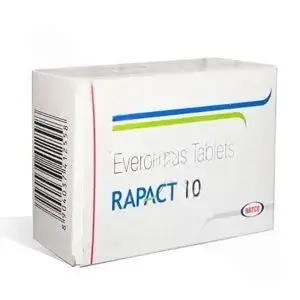
Rapact 10mg (Everolimus)
Previous product

Korandil 5mg (Nicorandil)
$17.00 $29.00Price range: $17.00 through $29.00
Next product
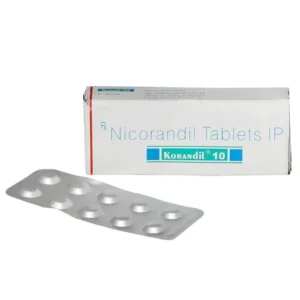
Korandil 10mg (Nicorandil)
$21.00 $37.00Price range: $21.00 through $37.00
$890.00 $2,645.00Price range: $890.00 through $2,645.00
In Stock
In Stock
Rapact 10mg (Everolimus)
| Pack Size | Price | Quantity | Add To Cart | |
|---|---|---|---|---|
| 28 Tablet/s | $890.00 | |||
| 56 Tablet/s | $1,770.00 | |||
| 84 Tablet/s | $2,645.00 | |||
| Want to order in bulk / B2B price? Send Inquiry | ||||
×
Sorry!! Out of Stock
Sorry! Rapact 10mg (Everolimus) is out of stock
Please click below to view other similar medications.
View All Everolimus Products

Offer You Can't Resist
Free Shipping
Enjoy Free Shipping on Orders above AUD304 (USD199)
Estimate Shipping :
20 July - 27 July
22
Good customer service
Outstanding customer service and reliable delivery. A smooth shopping experience from start to finish
 Australia
June 26, 2026
Last Updated on May 16, 2026

Description
Introduction
Rapact 10mg is a prescription medicine that contains Everolimus, a powerful medication used to treat several forms of cancer and prevent organ rejection after transplantation. It belongs to a class of medicines called mTOR inhibitors, which work by slowing down abnormal cell growth and regulating immune system activity.
Doctors commonly prescribe Rapact 10mg for conditions such as advanced kidney cancer, breast cancer, pancreatic neuroendocrine tumors, and certain brain tumors. Additionally, it plays an important role in transplant medicine by helping prevent the immune system from attacking transplanted organs.
Because of its ability to control both cancer progression and immune responses, Rapact 10mg has become an important treatment option in modern medicine. However, since it is a strong medication, proper medical supervision is necessary to ensure safe and effective use.
What is Rapact 10mg?
Rapact 10mg contains Everolimus 10mg, an oral medication derived from sirolimus (rapamycin). Everolimus acts by targeting a specific protein called mTOR (mechanistic Target of Rapamycin), which is responsible for regulating cell growth, metabolism, survival, and blood vessel formation.
In many cancers, the mTOR pathway becomes overactive, causing uncontrolled tumor growth. By blocking this pathway, Rapact helps slow or stop the multiplication of abnormal cells.
Apart from cancer treatment, Everolimus also suppresses the immune system, making it useful for preventing rejection after kidney, liver, or heart transplantation.
How Does Rapact 10mg Work?
Rapact 10mg works by inhibiting the mTOR signaling pathway inside cells.
Everolimus binds to a protein called FKBP-12, creating a complex that blocks mTOR Complex 1 (mTORC1). Once this pathway is blocked, several important biological functions slow down, including:
1. Slowing Cancer Cell Growth
Cancer cells grow rapidly and uncontrollably. Rapact blocks signals that promote tumor growth and cell division.
2. Reducing Blood Supply to Tumors
Tumors require blood vessels to grow. Everolimus reduces the formation of new blood vessels (angiogenesis), helping starve tumors of nutrients.
3. Suppressing Immune Activity
For transplant patients, Rapact weakens immune cell activity to reduce the chance of organ rejection.
Because of these actions, Rapact is effective in both oncology and transplant medicine.
Uses of Rapact 10mg
Rapact 10mg is prescribed for multiple medical conditions.
1. Advanced Kidney Cancer (Renal Cell Carcinoma)
Rapact is commonly used in patients with advanced kidney cancer, especially when other treatments stop working.
2. Breast Cancer
It is prescribed in hormone receptor-positive, HER2-negative advanced breast cancer, often together with hormone therapy medicines.
3. Pancreatic Neuroendocrine Tumors
Rapact helps slow the progression of tumors that develop in hormone-producing pancreatic cells.
4. Brain Tumors
Doctors may prescribe Everolimus for subependymal giant cell astrocytoma (SEGA) associated with tuberous sclerosis complex.
5. Organ Transplantation
Rapact helps prevent organ rejection after kidney, liver, or heart transplants by reducing immune system activity.
6. Other Conditions
In some cases, Rapact may be used for off-label treatments or clinical trials depending on the patient’s condition.
Benefits of Rapact 10mg
Rapact 10mg provides several therapeutic advantages.
Effective Tumor Control
By targeting abnormal cell growth pathways, Rapact slows cancer progression.
Prevents Organ Rejection
For transplant recipients, it lowers the immune response and protects transplanted organs.
Convenient Once-Daily Dosing
The medicine is generally taken once daily, making treatment easier to follow.
Improved Survival Outcomes
In many cancer cases, Rapact improves progression-free survival and helps patients manage symptoms better.
Targeted Therapy
Unlike traditional chemotherapy, Everolimus specifically targets molecular pathways involved in cancer growth.
Dosage and Administration
The dose of Rapact 10mg depends on the condition being treated and the patient’s overall health.
Standard Cancer Dose
The commonly recommended dose is:
Rapact 10mg once daily
Transplant Patients
Lower doses may be used and adjusted according to blood levels and response.
How to Take Rapact 10mg
- Take the medicine exactly as prescribed.
- Swallow the tablet whole with water.
- Do not crush, chew, or split the tablet.
- Take it at the same time every day.
- It can be taken with or without food, but consistency matters.
Missed Dose
If a dose is missed:
- Take it as soon as remembered.
- Skip it if the next dose is near.
- Never double the dose.
Pharmacokinetics of Everolimus
Absorption
Everolimus is rapidly absorbed after oral administration, reaching peak blood levels within 1–2 hours.
Distribution
It spreads extensively throughout body tissues, helping target affected areas.
Metabolism
Rapact is metabolized mainly by the liver enzyme CYP3A4.
Elimination
The medicine is mostly removed through feces, with a half-life of approximately 30 hours, supporting once-daily dosing.
Side Effects of Rapact 10mg
Like all medicines, Rapact may cause side effects. Some are mild, while others require medical attention.
Common Side Effects
- Mouth ulcers or mouth sores
- Fatigue or weakness
- Nausea and vomiting
- Diarrhea
- Rash or itching
- Swelling in hands or feet
- Loss of appetite
- Headache
- Increased cholesterol levels
- Increased blood sugar levels
Serious Side Effects
Seek medical attention immediately if you experience:
Severe Infections
Rapact suppresses immunity, increasing infection risk.
Symptoms include:
- Fever
- Chills
- Persistent cough
- Sore throat
Lung Problems (Pneumonitis)
Everolimus can cause non-infectious lung inflammation.
Symptoms include:
- Shortness of breath
- Persistent dry cough
- Chest discomfort
Kidney Problems
Reduced kidney function may occur, especially in transplant patients.
Liver Toxicity
Watch for:
- Yellowing of eyes or skin
- Dark urine
- Severe fatigue
Severe Allergic Reactions
Symptoms may include:
- Facial swelling
- Difficulty breathing
- Severe skin rash
Precautions and Warnings
Before taking Rapact 10mg, discuss your medical history with your doctor.
Pregnancy and Breastfeeding
Rapact may harm an unborn baby.
- Effective contraception is recommended during treatment.
- Breastfeeding should be avoided.
Liver Disease
Patients with liver problems may require dose adjustments.
Diabetes
Everolimus may increase blood sugar levels.
Infection Risk
Since immunity becomes weaker, patients should avoid exposure to contagious illnesses.
Vaccinations
Live vaccines should be avoided while taking Rapact.
Avoid Grapefruit
Grapefruit and grapefruit juice can increase Everolimus levels and raise side effect risks.
Drug Interactions
Rapact 10mg may interact with many medicines.
Tell your doctor if you take:
CYP3A4 Inhibitors
These increase Everolimus levels:
- Ketoconazole
- Clarithromycin
- Ritonavir
CYP3A4 Inducers
These lower drug effectiveness:
- Rifampicin
- Carbamazepine
- Phenytoin
Immunosuppressants
Combining with other immune-suppressing medicines increases infection risk.
Herbal Supplements
St. John’s Wort can reduce Rapact effectiveness.
Always discuss all medicines and supplements with your healthcare provider.
Monitoring During Treatment
Regular monitoring is important for safe treatment.
Doctors may perform:
Blood Tests
To monitor:
- Blood cell counts
- Infection risk
- Platelet levels
Liver Function Tests
To detect early liver problems.
Kidney Function Tests
Especially important for transplant patients.
Blood Sugar and Cholesterol Monitoring
Rapact may increase both glucose and lipid levels.
Lung Evaluation
To identify early signs of pneumonitis.
Special Populations
Elderly Patients
Older adults may require closer monitoring because of reduced organ function.
Children
Everolimus may be prescribed in selected pediatric conditions under specialist supervision.
Kidney Impairment
Dose adjustments may sometimes be required.
Liver Impairment
Patients with liver disease often need modified dosing.
Lifestyle Tips While Taking Rapact 10mg
To improve safety and effectiveness:
- Take medicine at the same time daily.
- Stay hydrated.
- Avoid smoking and alcohol.
- Maintain healthy nutrition.
- Practice infection prevention such as hand hygiene.
- Attend all doctor appointments and blood test schedules.
Frequently Asked Questions (FAQs)
1. What is Rapact 10mg used for?
Rapact 10mg is used for treating cancers such as kidney cancer, breast cancer, pancreatic neuroendocrine tumors, and preventing organ rejection after transplantation.
2. Is Rapact chemotherapy?
Rapact is considered a targeted therapy, not traditional chemotherapy. It works by blocking mTOR pathways involved in cell growth.
3. Can Rapact cure cancer?
Rapact may help control cancer growth and improve outcomes, but effectiveness depends on the cancer type and stage.
4. Can Rapact weaken the immune system?
Yes, Everolimus suppresses immunity, which increases infection risk.
5. What foods should I avoid?
Avoid grapefruit and grapefruit juice, as they can interfere with the medicine.
6. What happens if I miss a dose?
Take the missed dose when remembered unless it is close to the next scheduled dose.
7. Can I stop taking Rapact suddenly?
No. Do not stop treatment without medical advice.
8. Does Rapact cause hair loss?
Hair thinning may occur in some patients, though it is usually less severe than chemotherapy-related hair loss.
9. Can Rapact increase blood sugar?
Yes, it may raise blood glucose levels, especially in diabetic patients.
10. How long do I need to take Rapact?
Treatment duration depends on your medical condition and doctor’s recommendations.
Conclusion
Rapact 10mg (Everolimus) is an advanced targeted medicine widely used in cancer treatment and transplant medicine. By inhibiting the mTOR pathway, it helps slow tumor growth, reduce blood supply to tumors, and prevent organ rejection. Its once-daily dosing and targeted mechanism make it an important treatment option for many serious conditions.
Although Rapact provides major therapeutic benefits, it also requires careful monitoring because of possible side effects such as infections, mouth ulcers, high blood sugar, lung problems, and liver complications. Regular doctor visits, laboratory tests, and adherence to prescribed treatment are essential for safe use.
Additional Information
| Manufacturer | Natco Pharma |
|---|---|
| Pharmaceutical | Tablet/s |
| Strength | 10 mg |
| Pack Size | 28 Tablet/s, 56 Tablet/s, 84 Tablet/s |
Related products


Reviews
There are no reviews yet.