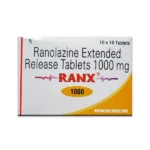
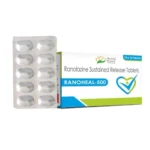
Ranx 500mg contains the active ingredient Ranolazine, which is used for the treatment of chronic angina. Angina is a condition marked by chest discomfort caused by reduced blood flow to the heart muscle, usually due to coronary artery disease. Ranolazine differs from other anti-anginal medications because it improves the heart’s efficiency and oxygen utilization, helping relieve angina symptoms.
What is Ranolazine?
Ranolazine is a medication used to treat angina (chest pain). It belongs to a class of medicines known as metabolic modulators. It helps the heart muscle produce energy more efficiently by altering how heart cells process glucose and fatty acids.
Unlike other medications that work by dilating blood vessels or lowering heart rate and blood pressure, Ranolazine mainly targets the metabolism within the heart cells themselves.
How Does Ranolazine Work?
Under normal conditions, heart cells obtain most of their energy from fatty acid oxidation. However, this process requires more oxygen than glucose metabolism. During ischemia, when blood flow to the heart muscle is reduced, this higher oxygen demand can worsen angina symptoms.
Ranolazine works by blocking the late sodium current (late INa) in heart cells. This action reduces sodium and calcium overload inside the cells, helping the heart muscle relax and function more efficiently.
As a result, Ranolazine:
- Reduces tension in the heart muscle
- Improves oxygen balance in the heart
- Relieves chest pain
- Does not significantly affect heart rate or blood pressure
Indications and Uses
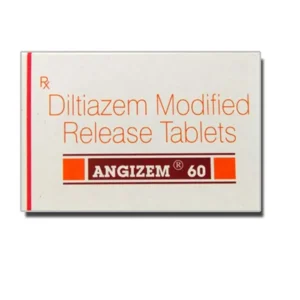
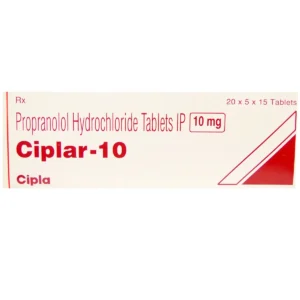
Ranx 500mg (Ranolazine) is mainly used to manage chronic stable angina. It is often prescribed along with other anti-anginal medicines such as beta-blockers, calcium channel blockers, or nitrates when those medications alone are not effective or are not well tolerated.
Common Uses Include:
- Treatment of chronic stable angina
- Reducing the frequency of angina attacks
- Improving exercise tolerance
- Supporting other anti-anginal therapies
Dosage and Administration
The usual starting dose of Ranx 500mg is 500mg twice daily. Depending on the patient’s response and tolerance, the dose may be increased up to 1000mg twice daily under medical supervision.
Administration Guidelines:
- Swallow the tablet whole with water
- Do not crush, chew, or break the tablet
- It may be taken with or without food
- Take the medication regularly at the same time every day
Always follow your doctor’s dosage instructions carefully.
Side Effects
Like all medicines, Ranolazine may cause side effects. Most are mild to moderate, but some may require medical attention.
Common Side Effects
Serious but Less Common Side Effects
- QT interval prolongation (heart rhythm abnormality seen on ECG)
- Irregular heartbeat or palpitations
- Allergic reactions such as rash, itching, or swelling
Seek immediate medical attention if you experience severe dizziness, fainting, worsening chest pain, or signs of an allergic reaction.
Precautions and Warnings
Heart Rhythm Problems
Ranolazine may prolong the QT interval, increasing the risk of serious heart rhythm disorders such as torsades de pointes. Patients with a history of QT prolongation should use this medication cautiously.
Liver and Kidney Disease
Dose adjustments may be required in patients with liver or kidney impairment. Regular medical monitoring is recommended.
Drug Interactions
Ranolazine can interact with several medications, especially strong CYP3A4 inhibitors such as:
- Certain antibiotics
- Antifungal medications
- HIV protease inhibitors
These interactions may increase Ranolazine levels in the blood and raise the risk of side effects.
Pregnancy and Breastfeeding
The safety of Ranolazine during pregnancy and breastfeeding is not fully established. It should only be used if prescribed by a healthcare professional.
Mechanism of Action in Detail
Ranolazine has a unique mechanism that focuses on modifying myocardial metabolism. By inhibiting the late sodium current, it decreases intracellular sodium accumulation, which subsequently reduces calcium overload in heart cells.
Excess calcium can increase tension in the heart wall and raise oxygen demand, worsening angina symptoms.
By improving cellular ionic balance and reducing oxygen demand, Ranolazine helps maintain heart function during ischemic episodes while minimizing the cardiovascular side effects commonly associated with other anti-anginal medications.
Clinical Studies and Effectiveness
Clinical studies have shown that Ranolazine effectively:
- Reduces the frequency of angina attacks
- Improves exercise capacity
- Decreases the need for nitroglycerin
Patients taking Ranolazine often report fewer episodes of chest pain and improved daily activity levels.
It is important to note that Ranolazine is not usually used for immediate relief of acute angina attacks. Instead, it is intended for long-term management and prevention.
Lifestyle and Angina Management
While Ranolazine helps control angina symptoms, managing the underlying causes of coronary artery disease is equally important.
Recommended Lifestyle Changes
- Follow a heart-healthy diet low in saturated fats and cholesterol
- Exercise regularly as advised by your doctor
- Quit smoking
- Maintain a healthy body weight
- Reduce stress levels
These lifestyle modifications can improve the effectiveness of treatment and support overall heart health.
When to Contact a Doctor
Seek medical advice immediately if you experience:
- Increased frequency or severity of chest pain
- Symptoms of an allergic reaction
- Palpitations, fainting, or severe dizziness
- Persistent nausea, constipation, or headaches affecting daily life
Summary
Ranx 500mg (Ranolazine) is an effective medication for the management of chronic stable angina. Its unique mechanism improves heart muscle metabolism and reduces chest pain without significantly affecting heart rate or blood pressure.
When combined with healthy lifestyle changes and other prescribed therapies, Ranolazine can significantly improve quality of life for patients with angina.
As with any medication, following the prescribed dosage, monitoring for side effects, and maintaining regular consultations with your healthcare provider are essential for safe and effective treatment.


Reviews
There are no reviews yet.