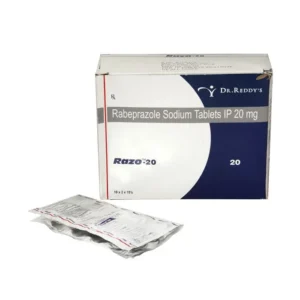
Rabicip 20mg contains the active ingredient Rabeprazole, a widely used medication that belongs to the class of drugs known as Proton Pump Inhibitors (PPIs). It is primarily prescribed to reduce stomach acid and treat various digestive disorders caused by excess acid production.
Rabeprazole works by blocking proton pumps in the stomach lining, reducing acid production and helping heal acid-related damage. This article explains everything you need to know about Rabicip 20mg, including its uses, mechanism of action, dosage, side effects, precautions, and frequently asked questions.
What is Rabicip 20mg?
Rabicip 20mg is a medicine containing Rabeprazole Sodium, a proton pump inhibitor that effectively reduces gastric acid secretion.
It is commonly used in conditions where acid reduction is needed to relieve symptoms and promote healing of the stomach and esophageal lining.
How Does Rabicip (Rabeprazole) Work?
Rabeprazole works by selectively blocking the hydrogen-potassium ATPase enzyme, commonly called the proton pump, located in the stomach lining.
This proton pump is responsible for releasing hydrochloric acid into the stomach. By blocking the pump, Rabeprazole significantly reduces acid production, resulting in:
- Reduced stomach acidity
- Relief from heartburn, acid reflux, and indigestion
- Healing of acid-related ulcers and erosions
Because it targets the final step of acid production, Rabeprazole provides stronger and longer-lasting acid control compared to older medications like H2 blockers.
Uses of Rabicip 20mg
Rabicip 20mg is prescribed for several gastrointestinal conditions, including:
Gastroesophageal Reflux Disease (GERD)
Helps relieve acid reflux symptoms and heal inflammation of the esophagus.
Peptic Ulcers
Used for treating gastric and duodenal ulcers while reducing the risk of recurrence.
Erosive Esophagitis
Helps reduce inflammation and damage caused by stomach acid.
Zollinger-Ellison Syndrome
Treats rare conditions involving excessive stomach acid production.
Prevention of NSAID-Induced Ulcers
Recommended for patients regularly using nonsteroidal anti-inflammatory drugs (NSAIDs).
Helicobacter pylori Eradication
Used together with antibiotics as part of combination therapy.
How to Take Rabicip 20mg
To ensure safe and effective treatment, follow your doctor’s instructions carefully.
Dosage
The usual dose is 20mg once daily, generally taken before meals.
Administration
Swallow the tablet whole with water. Do not crush or chew the tablet because its enteric coating protects the medicine from stomach acid.
Treatment Duration
The duration depends on the condition being treated. It may range from a few weeks for ulcers to longer treatment periods for chronic GERD.
Consistency
Take the medicine at the same time every day for the best results.
Missed Dose
If you miss a dose, take it as soon as you remember. If it is almost time for your next dose, skip the missed dose. Do not take a double dose.
Precautions and Warnings
Before taking Rabicip, consider the following precautions:
- Inform your doctor if you are allergic to Rabeprazole or other PPIs.
- Use during pregnancy or breastfeeding only if advised by a doctor.
- Patients with liver disease, osteoporosis, or low magnesium levels may require extra monitoring.
- Rabeprazole may interact with medicines such as warfarin, digoxin, ketoconazole, and certain HIV medications.
- Long-term use may increase the risk of bone fractures, vitamin B12 deficiency, and infections such as Clostridium difficile.
- Seek medical attention if symptoms persist or worsen after treatment.
Side Effects of Rabicip 20mg
Rabicip is generally well tolerated, but some people may experience side effects.
Common Side Effects
- Headache
- Diarrhea
- Nausea or vomiting
- Abdominal pain or bloating
- Constipation
- Flatulence
Serious Side Effects
Seek immediate medical help if you experience:
- Severe allergic reactions
- Swelling or difficulty breathing
- Yellowing of the skin or eyes
- Severe persistent diarrhea
- Irregular heartbeat or muscle cramps
Contact your doctor if side effects become severe or persistent.
Storage Instructions
Store Rabicip 20mg tablets in a cool, dry place away from direct sunlight and moisture. Keep out of reach of children.
Frequently Asked Questions (FAQs)
1. Can Rabicip be taken with food?
Rabicip is usually taken before meals for maximum effectiveness, but it may also be taken with food if advised by your doctor.
2. How long does it take for Rabicip to work?
Most people experience symptom relief within a few days, although complete healing of ulcers or esophagitis may take several weeks.
3. Can Rabicip be used for heartburn?
Yes, Rabicip is effective for treating heartburn caused by acid reflux.
4. Is Rabicip safe for long-term use?
Long-term use should be supervised by a healthcare professional because of potential risks such as vitamin deficiencies and bone fractures.
5. Can I stop taking Rabicip suddenly?
Consult your doctor before stopping treatment, especially if you have been using it for a long period.
6. Does Rabicip cause weight gain?
Weight gain is not a common side effect of Rabeprazole.
7. Can Rabicip interact with other medications?
Yes. Inform your doctor about all medicines and supplements you are taking to avoid interactions.
8. Can I drink alcohol while taking Rabicip?
Alcohol may irritate the stomach lining and worsen symptoms, so it is best to limit or avoid alcohol consumption.
Conclusion
Rabicip 20mg (Rabeprazole) is a powerful proton pump inhibitor widely used to treat acid-related digestive disorders such as GERD, peptic ulcers, and erosive esophagitis. By significantly reducing stomach acid production, it helps relieve symptoms, promote healing, and improve quality of life.
Like all medications, Rabicip should be used correctly and under medical supervision, especially during long-term treatment. Understanding its possible side effects, precautions, and interactions is important for safe and effective use.
Along with medication, maintaining a healthy diet, making lifestyle changes, and attending regular medical check-ups can help achieve better digestive health and long-term symptom control.


Reviews
There are no reviews yet.