
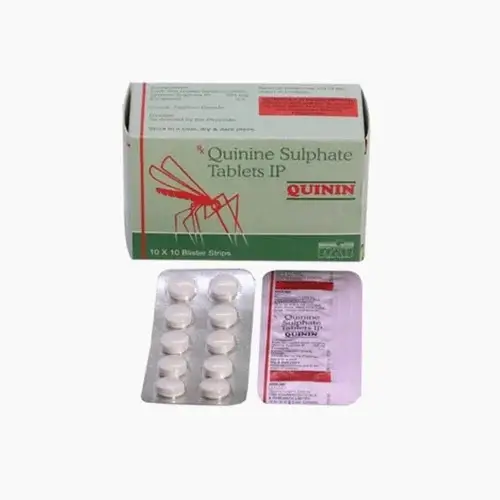
Quinin 300mg (Quinine Sulphate)
Previous product
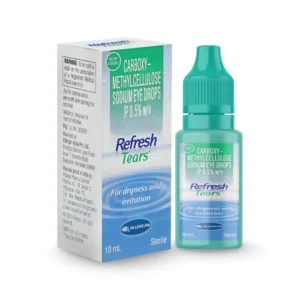
Refresh Tear 10ml (Carboxymethylcellulose sodium)
$20.00 $72.50Price range: $20.00 through $72.50
Next product

Victoza 6mg/ml (Liraglutide)
$115.00 $325.00Price range: $115.00 through $325.00
$22.50 $41.25Price range: $22.50 through $41.25
In Stock
In Stock
Quinin 300mg (Quinine Sulphate)
| Pack Size | Price | Quantity | Add To Cart | |
|---|---|---|---|---|
| 60 Tablet/s | $22.50 | |||
| 90 Tablet/s | $27.50 | |||
| 150 Tablet/s | $41.25 | |||
| Want to order in bulk / B2B price? Send Inquiry | ||||
×
Sorry!! Out of Stock
Sorry! Quinin 300mg (Quinine Sulphate) is out of stock
Please click below to view other similar medications.
View All Quinine Sulphate Products
Offer You Can't Resist
Free Shipping
Enjoy Free Shipping on Orders above AUD304 (USD199)
Estimate Shipping :
20 July - 27 July
22
Good Quality
Quality service and secure delivery. Would consider ordering again
 Australia
June 21, 2026
Last Updated on May 14, 2026

Description
Introduction
Quinin 300mg, It is a supplement to Quinine Sulphate. The drug is popular for its effectiveness in treating malaria a serious infection that is caused by Plasmodium parasites carried by mosquitoes. Quinine was among the earliest treatments that worked for malaria, and is still effective for specific situations, particularly in cases where resistance to other malaria medications is present.
Beyond malaria, Quinine Sulphate can have other not-on-label applications, for instance, the relief of Nighttime leg cramps. Although this isn’t as often due to worries about adverse effects. This article provides an extensive overview of Quinin 300mg, including its uses, its method of action, dosage guidelines, possible side effects, and important safety precautions.
What is Quinin 300mg (Quinine Sulphate)?
Quinine Sulphate is an alkaloid derived from the bark of the Cinchona tree. It is a potent antimalarial and targets the blood stage in the malaria parasite’s life cycle.
Quinin 300mg tablets are a well-known formulation offering the convenience of an oral dosage. Quinine may be administered intravenously or intramuscularly when there is a need under the supervision of a hospital.
Uses of Quinin 300mg
- Treatment of Malaria
Quinine Sulphate can be used for treating simple falciparum malaria Particularly in regions where resistance to antimalarial medications, for example, chloroquine and artemisinin-based treatments are present. Also, it can be used in combination therapy for resistance-resistant strains.
- It’s effective against the blood schizont stage. The parasite is able to help in the elimination of the parasite and ease symptoms.
- As an alternative treatment option for the first-line treatment of malaria when it is not recommended or is unavailable.
- Prevention of Malaria
Quinine is not commonly used in malaria treatment. (prevention) Due to side effects, there are better alternatives. It could (prevention) be considered in some instances under medical guidance.
- Off-label Use: Nocturnal Leg Cramps
Quinine Sulphate is prescribed for relieving painful muscle cramps. However, its treatment is a bit controversial because of issues with safety, and it should not be typically recommended without strict supervision.
How Does Quinin 300mg Work?
Quinine is a drug that interferes with the parasite’s capacity to break down hemoglobin in red blood cells. It breaks down hemoglobin in order to make it grow larger and more numerous and release harmful heme as a result. Quinine blocks the process of detoxification of heme to harmless compounds, leading to the accumulation of toxic heme, as well as the death of the parasite.
Specifically, quinine:
- Inhibits plasmodial heme polymerase An enzyme that cleanses the heme.
- Causes the accumulation of heme-free, which is harmful to the malaria parasite.
- The result is the death of the parasite and a decrease in parasitemia.
Dosage and Administration
For Treatment of Malaria (Adults)
- The most common dose for oral use is 600 mg, three times per day For 7 days.
- The dosage can be altered depending on the severity of illness, weight, and the clinical reaction.
- It’s usually prescribed along with other medicines that aid in healing, like antibiotics and antipyretics.
- The treatment should be fully completed to avoid relapse or resistance.
For Nocturnal Leg Cramps (Off-label Use)
- In lower doses, such as 200 mg once a day could be recommended.
- It is recommended to limit the duration of treatment because of the potential risk.
Important Administration Tips
- Quinine is a good choice to take and food, or a complete glass of drinking water for reducing to reduce stomach to reduce stomach upset.
- Always follow the prescribed dosage. Never self-adjust the dose or duration.
Side Effects of Quinin 300mg
Quinine is known to cause a wide range of negative side effects. Some are minor, while others could be more serious.
Common Side Effects
- Nausea, vomiting, stomach pain
- Diarrhea
- Headache
- Dizziness or tinnitus (ringing in ears)
- Blurred vision or temporary visual disturbances
Serious Side Effects (Require Immediate Medical Attention)
- Cinchonism: An illness due to quinine toxicity, which is characterized by vision impairment, hearing loss, headaches, and disturbed balance.
- Hypersensitivity reactions: Rash, itching, swelling, difficulty breathing
- Hypoglycemia: Quinine may lower blood sugar levels, particularly in women who are pregnant or people with diabetes.
- Blood disorders: Sometimes, it could result in the condition known as thrombocytopenia (low number of platelets) or hemolytic anemia.
- Cardiac effects: A sluggish heartbeat or QT extension in those who are predisposed.
Due to these dangers due to these risks, quinine is used with caution and under the supervision of a medical professional.
Precautions and Warnings
- Consult your physician if you are suffering from Heart problems, liver diseases, kidney diseases Blood disorders, also known as blood problems, or blood.
- Beware of quinine if you’re the person is hypersensitive or allergic to it.
- Women who are pregnant or breastfeeding should use quinine only when required and required by a doctor.
- Do not drink alcohol or use other drugs that alter the heart rate during treatment.
- A regular monitoring program may be necessary for prolonged or high dose treatment.
FAQs about Quinin 300mg (Quinine Sulphate)
Is Quinin 300mg safe for children?
Quinine may be administered to kids under strict medical supervision and with the proper dosage however, safer alternatives are usually recommended.
Can Quinine be used for malaria prevention?
No, it is not prescribed for malaria treatment due to the risk of side effects as well as the availability of other better medications.
What should I do if I miss a dose?
You should take the missed dose immediately after you recall it until it’s time for your next dose. Don’t double-up.
Can I drink alcohol while taking quinine?
Alcohol may cause the effects of dizziness or stomach discomfort and must be kept away from while undergoing treatments.
How long does it take for quinine to work?
Quinine begins to reduce parasite levels in just a few hours. However, full treatment typically takes seven days.
Are there any interactions with other medications?
Yes, Quinine can interact with blood thinners and certain antiarrhythmics, antibiotics as well as other drugs that alter the liver enzymes.
Can I take quinine for leg cramps without a prescription?
No, Because of the possibility of severe side consequences, quinine is only to be prescribed for leg cramps only under the supervision of a physician.
What should I do if I experience ringing in my ears?
Hearing ringing (tinnitus) could be the sign of quinine poisoning. Get in touch with your doctor promptly.
Conclusion
Quinin 300mg (Quinine Sulphate) remains an essential antimalarial medication, particularly in regions with resistant malaria parasites. Quinin’s powerful mechanism to fight the parasite as well as its ability to decrease symptoms makes it an effective treatment choice when utilized properly.
Due to dangers of side effects as well as toxicity the use of quinine should be under medical supervision. Patients must adhere to dosages prescribed, follow the entire course and inform any adverse side effects promptly.
Though it was once an essential component for malaria treatment across the world the role of quinine has since been replaced in large part by better more effective, less harmful drugs for the majority of people. But, it is still able to have a place in certain clinical settings.
If you or your loved one is prescribed Quinin 300mg, be sure to have an in-depth knowledge of the use of it along with its potential side effects as well as measures to be taken by contacting your healthcare physician regularly.
Related products




Recently Viewed

Reviews
There are no reviews yet.