
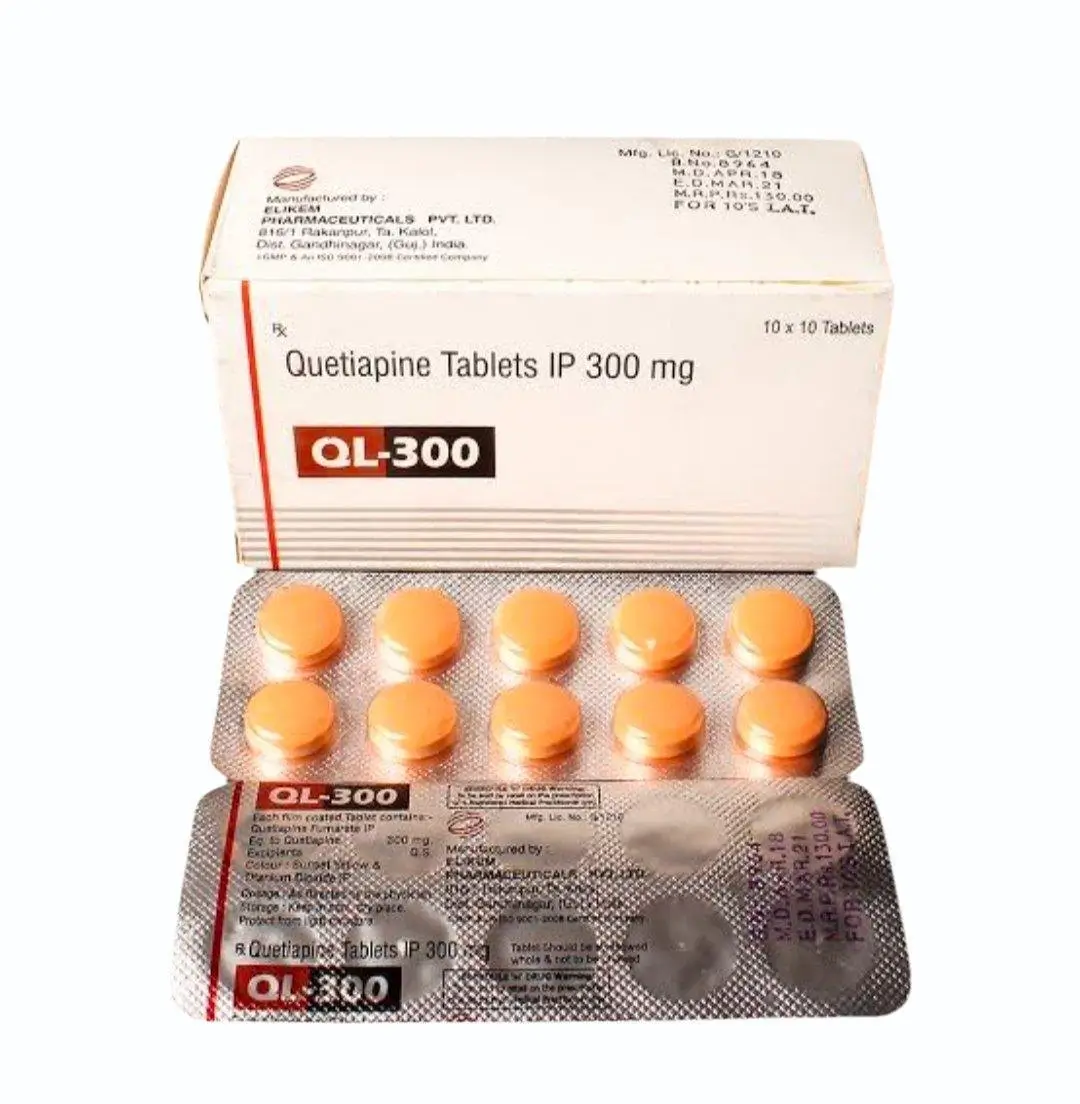
QL 300mg (Quetiapine)
Previous product

QL 25mg (Quetiapine)
$15.00 $41.00Price range: $15.00 through $41.00
Next product
Covilife QTN 250mg
$60.00 $140.00Price range: $60.00 through $140.00
$75.00 $181.00Price range: $75.00 through $181.00
In Stock
In Stock
QL 300mg (Quetiapine)
| Pack Size | Price | Quantity | Add To Cart | |
|---|---|---|---|---|
| 100 Tablet/s | $75.00 | |||
| 200 Tablet/s | $130.00 | |||
| 300 Tablet/s | $181.00 | |||
| Want to order in bulk / B2B price? Send Inquiry | ||||
×
Sorry!! Out of Stock
Sorry! QL 300mg (Quetiapine) is out of stock
Please click below to view other similar medications.
View All Quetiapine Products
Offer You Can't Resist
Free Shipping
Enjoy Free Shipping on Orders above AUD304 (USD199)
Estimate Shipping :
14 July - 21 July
37
Last Updated on May 14, 2026

Description
QL 300mg, with an active component, Quetiapine. It is a commonly utilized medication within the realm of health and mental health. It’s part of the class of drugs referred to as antipsychotics that are atypical and typically prescribed to treat mental disorders such as bipolar disorder, schizophrenia, as well as major depression (as an adjunct treatment to). Knowing how QL 300mg functions as well as its potential benefits, negative effects, and the importance of steps to take can help those who are treating patients, as well as their families, navigate the treatments safely and efficiently.
What is QL 300mg (Quetiapine)?
Quetiapine, which is marketed under different names, such as QL, is an atypical antipsychotic medicine. It works by altering neurotransmitters within the brain, including serotonin and dopamine, to help regulate perception and mood. The dose of 300mg is generally used for severe to moderate symptoms, but the dosage is determined depending on the individual’s health as well as their response and tolerance.
How Does Quetiapine Work?
Quetiapine is a drug that blocks certain brain receptors like dopamine D2 as well as serotonin 5HT2A receptors. The effect of this modulation is to correct chemical imbalances that can cause the symptoms of psychosis, depression, and mood swings. The medication has a soothing impact and reduces anxiety, hallucinations, delusions, and mood fluctuations.
What Conditions Does QL 300mg Treat?
- Schizophrenia: Quetiapine assists in managing symptoms that include hallucinations, confusion, delusions, and withdrawal from emotional stress.
- Bipolar Disorder: It’s used for treating depression and manic episodes, aiding in stabilizing mood swings and preventing relapse.
- Major Depressive Disorder: In combination with antidepressants, Quetiapine could enhance the efficacy of these medications in those suffering from depression that is resistant to treatment.
- Other Off-Label Uses: There are occasions when off-label medication is recommended for insomnia, anxiety, or other psychiatric disorders; however, only under careful medical supervision.
How to Take QL 300mg
- QL 300mg can be consumed orally, either once or two times a day, based on your physician’s prescriptions.
- Tablets must be taken whole, with water. Crushing or chewing on them is not recommended.
- It can be consumed with or without food. However, it is important to be consistent and take this at a similar time throughout the day.
- Don’t stop taking the medicine suddenly without consulting with your physician, since this could trigger withdrawal or relapse.
Possible Side Effects of QL 300mg
As with all medicines, QL 300mg can trigger negative side reactions. Certain conditions are minor and short-lived, while others require urgent medical treatment.
Common Side Effects:
- Drowsiness or sedation
- Dizziness or lightheadedness (especially when standing up quickly)
- Dry mouth
- Weight gain
- Constipation
- Increased appetite
- Headache
Serious Side Effects (Seek Medical Help Immediately):
- Severe allergic reactions (rash, itching, swelling)
- Symptoms of high blood sugar: increased thirst, frequent urination, blurry vision
- Signs of low blood pressure: fainting or severe dizziness
- Extrapyramidal symptoms: tremors, muscle stiffness, uncontrolled movements
- Tardive dyskinesia: Involuntary repetitive movements that are often of the tongue or face.
- Neuroleptic Malignant Syndrome (NMS): A rare, but potentially life-threatening reaction that can cause an increase in temperature, stiffness of the muscles, and confusion
Important Precautions
- Medical History: Contact your doctor if you suffer from heart issues such as diabetes, liver or kidney disease, seizures, or a history of blood clots.
- Pregnancy & Breastfeeding: Only use if necessary or prescribed by your healthcare physician.
- Alcohol & CNS Depressants: Do not drink alcohol or other substances that induce drowsiness because they could increase sedation.
- Driving & Operating Machinery: Quetiapine could cause drowsiness. Be cautious while driving or operating machinery until you is aware of how quetiapine affects you.
- Weight & Blood Sugar: Regular monitoring of weight and blood sugar levels is suggested because of the risk of changes in metabolism.
- Interactions: Quetiapine can interact with various medicines, such as certain antibiotics, antifungals, and other drugs that can affect the heartbeat. Be sure to disclose any medications you take to your physician.
How Long Does It Take to Work?
The time at which Quetiapine’s effects begin to manifest is dependent on the severity of the illness:
- In the case of mania or psychosis that is acute psychosis, the improvement could be noticed within a few days.
- In the case of depression and mood stabilization, the process can take several weeks before the full effects begin to appear.
- Consistency and patience with prescriptions are essential for successful results.
Frequently Asked Questions (FAQs)
Q1: Can I drink alcohol while taking QL 300mg?
A: It is recommended to steer clear of alcohol because it may increase the sedation level and increase the risk of adverse negative side negative effects.
Q2: Will QL 300mg cause weight gain?
A: Weight gain is a typical result of treatment. The monitoring of your diet and exercise habits is crucial, so be sure to discuss any issues with your physician.
Q3: What should I do if I miss a dose?
A: You should take the dose you missed immediately after you recall it or if it’s near your next dose. Don’t double-dose.
Q4: Can Quetiapine cause withdrawal symptoms?
A: Yes, Stopping abruptly can trigger withdrawal-related symptoms like nausea, insomnia, and headaches. It can also cause irritability, irritability, and insomnia. Always begin to taper with medical supervision.
Q5: Is QL 300mg addictive?
A: Quetiapine isn’t considered a drug that’s as addictive, but dependency upon its relaxing effects could be a possibility. Take it only as directed.
Q6: How is QL 300mg different from older antipsychotics?
A: The drug is known to cause fewer motor-related adverse consequences (like shaking) and could be easier for many patients to take.
Q7: Can Quetiapine be used in children?
A: The medication can be prescribed to treat specific ailments in children; however, only be done with close supervision, and with doses that are adjusted.
Conclusion
QL 300mg (Quetiapine) is a multifaceted and highly effective drug frequently used to treat a range of serious mental health conditions. It aids in stabilizing the mood, decreasing psychotic symptoms, and increasing the quality of life for many sufferers. But, because of its possible interactions and side effects that can occur, it should be utilized in a responsible manner and under the supervision of a licensed medical specialist.
If you or your family member is being given QL 300mg, make sure to do regular follow-ups, follow the dosage instructions, and report any concerns or side effects immediately. If managed properly, Quetiapine can be a beneficial tool to treat complex psychiatric disorders.
Additional Information
| Active Ingredient: | Quetiapine |
|---|---|
| Indication: | Schizophrenia and Mania |
| Manufacturer: | Elikem Pharmaceuticals |
| Packaging: | 10 Tablets in a Strip |
| Strength: | 300mg |
| Delivery Time: | 7 To 15 days |
Related products










Recently Viewed



Reviews
There are no reviews yet.