

Pyridium 200mg (Phenazopyridine)
Previous product
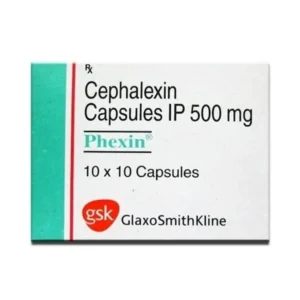
Phexin 500mg (Cephalexin)
A$41.15 A$95.67Price range: A$41.15 through A$95.67
Next product
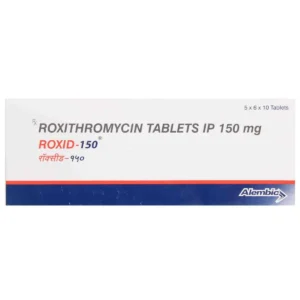
Raxitid 150mg (Roxithromycin)
A$30.32 A$68.59Price range: A$30.32 through A$68.59
A$23.47 A$45.13Price range: A$23.47 through A$45.13
In Stock
In Stock
Pyridium 200mg (Phenazopyridine)
| Pack Size | Price | Quantity | Add To Cart | |
|---|---|---|---|---|
| 60 Tablet/s | A$23.47 | |||
| 90 Tablet/s | A$34.30 | |||
| 120 Tablet/s | A$45.13 | |||
| Want to order in bulk / B2B price? Send Inquiry | ||||
×
Sorry!! Out of Stock
Sorry! Pyridium 200mg (Phenazopyridine) is out of stock
Please click below to view other similar medications.
View All Phenazopyridine Products

Offer You Can't Resist
Free Shipping
Enjoy Free Shipping on Orders above AUD304 (USD199)
Estimate Delivery :
20 September - 27 September
21
Clear and straightforward to order
Fast, inexpensive and great products.
 Australia
February 19, 2025
Response from Modalertaustralia
Thank you for your great feedback! We’re happy to hear you’re satisfied with our pricing, fast service, and product quality. Providing value and reliability is always our goal. We truly appreciate your support!
Last Updated on May 14, 2026

Description
Pyridium 200mg (Phenazopyridine): Relief for Urinary Tract Discomfort
Pyridium 200mg, with an active component, Phenazopyridine, is a commonly utilized medication that provides relief from the pain caused by urinary tract infection (UTIs) as well as other irritations to the urinary tract. Contrary to antibiotics, Pyridium doesn’t cure the condition; however, it acts as an anti-urinary tract medication for relieving pain, burning, or stinging.
This blog will address the mechanisms, effects, dosage, adverse reactions, warnings, and the most frequently asked questions about Pyridium 200mg. We will help you learn more about how it works and what it’s appropriate to utilize it.
What is Pyridium 200mg (Phenazopyridine)?
Pyridium is the brand name used for Phenazopyridine Hydrochloride an medication that is designed to ease irritation and pain in the urinary tract of the lower. The primary reason for its use is pain relief due to trauma, infections, and surgery, or any other ailments that affect the bladder or the urethra.
Phenazopyridine is a local agent that affects the urinary tract. It provides a relaxing result that eases symptoms, such as:
- Burning sensation during urination
- Urinary urgency or frequency
- Pelvic or lower abdominal pain is caused by the urinary tract.
How Does Pyridium 200mg Work?
Phenazopyridine isn’t an antibiotic, and it is not able to treat infections. In fact, it acts as a local analgesic in the mucosa of the urinary tract. Following oral consumption, the drug is quickly excreted through the kidneys in the urine. There, it creates the effects of an anesthetic applied to the membrane of the urinary tract.
The localized pain relief can lessen the irritation and burning that is often felt during urination, which makes it more comfortable to manage and less painful for sufferers as their irritation or infection heals.
Uses of Pyridium 200mg
The Pyridium 200mg dosage is used primarily to:
- Symptomatic Relief of Urinary Tract Infections (UTIs): It can ease painful and irritable symptoms, while the root cause of the infection is addressed with antibiotics.
- Relief from Trauma or Surgery: In the aftermath of procedures that affect the urinary tract, Pyridium helps soothe discomfort.
- Other Causes of Urinary Discomfort: Conditions like interstitial cystitis, the irritation of a catheter, and urinary stones could create symptoms. Pyridium could help to relieve symptoms for a short time.
Dosage and Administration
The standard adult dosage for adults of Pyridium is 200mg 3 times per day in the morning after meals, or according to the prescription of the healthcare professional. The usual dosage is to be used for temporary use, generally not exceeding the duration of two days without medical approval.
- Important: It is advised to stop using it for a long time since it does not address the problem and can delay symptoms that require medical examination.
- Use Pyridium along with your food to decrease the chance of stomach upset.
- Take plenty of fluids to flush the urinary system.
Important Precautions
- Not a Cure: Pyridium is only used to treat symptoms. The root cause, like a bacterial infection, will require antibiotic therapy.
- Kidney or Liver Problems: Take care and only use it under the supervision of a physician.
- Allergy: Avoid taking it if you are allergic to phenazopyridine or other related compounds.
- Pregnancy and Breastfeeding: Consult your doctor before use.
- Urine Color: Pyridium is a non-threatening visible reddish-orange discoloration in urine. This can cause staining of contact lenses or clothing. This is not unusual; however, it must be taken note of to reduce the risk of being concerned.
Possible Side Effects
Many users are able to tolerate Pyridium quite well. However, certain users may experience adverse effects, such as:
- Headache
- Dizziness
- Stomach upset or nausea
- Allergic reactions (rash, itching, swelling)
- In rare instances, more serious negative side effects, such as jaundice and hemolytic anemia, can be experienced, especially in people suffering from genetic diseases such as G6PD deficiency.
If you notice any severe adverse side effects or signs of allergies, get medical attention right away.
When to Avoid Pyridium
- If you are suffering from liver disease or kidney disease, you should consult your doctor.
- Beware if you’re allergic to phenazopyridine.
- Avoid using it for longer than 2 days in a row without the guidance of your doctor.
- Do not use for children younger than 12 years of age, unless prescribed by a medical professional.
Frequently Asked Questions (FAQs)
Can Pyridium treat urinary tract infections?
No, it’s not true, Pyridium does not treat diseases. It is only used to relieve symptoms including pain, burning, or burning in the urinal. It is necessary to treat the bacterial UTIs.
Is Pyridium safe to use during pregnancy?
Pyridium is only used in pregnancy if it is clearly required and recommended by a medical expert. You should consult with your physician first.
Why does Pyridium turn urine orange?
Phenazopyridine is a non-harmful reddish-orange coloration in urine. It is an expected and well-known negative side consequence. The drug can also cause staining on clothing and contact lenses.
How soon does Pyridium work?
The symptoms will usually ease just a couple of hours after receiving the initial dose, giving quick relief in the midst of pain from urination.
Can I take Pyridium without antibiotics?
Pyridium is not a substitute for antibiotics in the event of the presence of a bacterial infection. Its use alone could cause symptoms to disappear and may delay treatment.
What should I do if I miss a dose?
Do not miss a dose until immediately when you can remember, unless you are near the time of the next dose. Don’t double doses.
Are there any drug interactions with Pyridium?
Pyridium may interact with some medicines, including antacids and other antibiotics. Be sure to inform your physician of any medications or supplements you take.
Conclusion
Pyridium 200mg (Phenazopyridine) is a highly effective treatment to provide short-term relief of urinary tract pain due to irritation or infections. The localized analgesic effects help reduce pain, burning, and pressure, thereby making it simpler for patients to manage their symptoms whilst treating the cause.
It is important to be aware that Pyridium cannot cure diseases and is recommended as a temporary relief for symptoms under the supervision of a medical professional. Correct diagnosis and treatment of the root causes, usually involving antibiotics, is essential to ensure complete healing.
If you are experiencing urinary discomfort that is painful or burning, you should consult your doctor immediately. Pyridium could be an important element of a treatment plan and is most effective together with the right medical attention.
Understanding the way Pyridium operates and using it appropriately, patients are able to experience faster relief of symptoms and stay clear of complications that can result from inactive urinary tract infections.
Related products










Reviews
There are no reviews yet.