

Propranolol 80mg (Propranolol)
Previous product
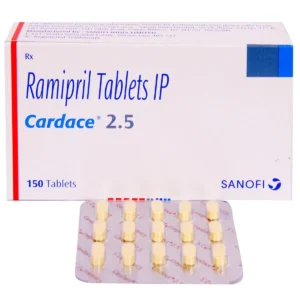
Cardace 2.5mg (Ramipril)
$17.50 $32.50Price range: $17.50 through $32.50
Next product
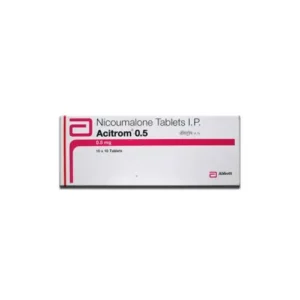
Acitrom 0.5mg (Nicoumalone)
$16.00 $23.00Price range: $16.00 through $23.00
$35.00 $62.00Price range: $35.00 through $62.00
In Stock
In Stock
Propranolol 80mg (Propranolol)
| Pack Size | Price | Quantity | Add To Cart | |
|---|---|---|---|---|
| 60 Tablet/s | $35.00 | |||
| 90 Tablet/s | $50.00 | |||
| 120 Tablet/s | $62.00 | |||
| Want to order in bulk / B2B price? Send Inquiry | ||||
×
Sorry!! Out of Stock
Sorry! Propranolol 80mg (Propranolol) is out of stock
Please click below to view other similar medications.
View All Propranolol Products
Offer You Can't Resist
Free Shipping
Enjoy Free Shipping on Orders above AUD304 (USD199)
Estimate Shipping :
20 June - 27 June
40
Best quality
Quality medicines at reasonable prices. Delivery was faster than expected, and everything arrived in perfect condition.
 Australia
May 24, 2026
Last Updated on May 14, 2026

Description
Propranolol 80mg: A Complete Guide to Uses, Benefits, Side Effects, and FAQs
Propranolol can be described as a popular medicine that falls within the category of drugs that are known as beta-blockers. The most common use for it is the treatment of a wide range of cardiac and non-cardiovascular ailments. The dosage of 80 mg is the most standard dosage available, and it is frequently utilized in the management of a variety of chronic ailments.
This article provides an extensive description of the benefits of Propranolol 80 mg. This will include the way it functions, medicinal uses and dosage guidelines, potential adverse effects, warnings, commonly asked questions, and a synopsis to aid you in understanding this vital medicine better.
What is Propranolol 80mg?
Propranolol is a non-selective, beta-adrenergic antagonist. It blocks the actions of a few naturally occurring chemicals within your body, including adrenaline, in the blood vessels and the heart. The result is a decrease in blood pressure and heart rate, and puts strain on the heart.
Propranolol 80 mg is typically recommended for patients with conditions that demand moderate to high dosage, usually taken once every two days, based on the patient’s condition and reaction.
How Does Propranolol Work?
Propranolol blocks beta-1 and beta-2 receptors of the adrenergic system located in the lungs, heart, blood vessels, as well as other tissues. Through blocking beta-1 receptors, it lowers heart rate as well as contractility. It also reduces the demand for oxygen in the heart and its workload. The blockade of beta-2 receptors may cause adverse effects on the lungs as well as blood vessels. That’s the reason propranolol should be taken sparingly for patients suffering from respiratory disorders.
Through this mechanism, propranolol can slow the heart rate and also reduce blood pressure. It is beneficial for various neurologic and cardiovascular conditions.
Medical Uses of Propranolol 80mg
Propranolol 80 mg can be prescribed for various conditions that include:
- Hypertension (High Blood Pressure)
- Lowers blood pressure and helps in which reduces the risk of strokes, heart attacks, and kidney disorders.
- Angina Pectoris (Chest Pain)
- Lowers oxygen and heart workload. Demand, which can prevent episodes of chest pain caused by diminished blood flow to the heart.
- Arrhythmias (Irregular Heartbeats)
- The drug regulates irregular heart rhythms by stabilizing the electrical activity of the heart.
- Heart Attack Prevention
- Utilized following heart attacks, it reduces the chance of dying by reducing the heart rate and also avoiding harmful arrhythmias.
- Migraine Prevention
- Propranolol helps in decreasing the intensity and frequency of migraine.
- Essential Tremor
- It reduces tremors and shaking that is caused by neurological issues.
- Anxiety and Performance Anxiety
- It helps to control physical signs of anxiety, such as a fast heartbeat and trembling.
- Other Uses
- Sometimes prescribed for symptoms of hyperthyroidism as well as certain kinds of cancers and portal hypertension.
Dosage and Administration
The dose of propranolol is dependent on the illness being treated, tolerance of the patient, and the advice of the physician.
Typical dosage for adults:
- Hypertension: 40-160 mg per day. Doses divided.
- Angina: Amounts ranging from 80 to 320 mg daily in divided doses.
- Arrhythmias: Between 40 and 160 mg each day, in divided doses.
- Migraine prophylaxis: 80 mg daily is possible to divide.
- Essential tremor: Between 40 and 120 mg per day.
- Anxiety: 40-80 mg between 1 and 2 hours before the event that causes anxiety.
The dose of 80 mg usually forms an integral part of a split daily dosage, but there are some who use it daily based on the dosage and the physician’s instructions.
Important: Be sure to ensure that you take Propranolol precisely as directed. Avoid abruptly stopping the drug, because it can exacerbate heart issues.
Common Side Effects
Propranolol is generally well-tolerated, but it may trigger adverse effects for some people.
Common side effects include:
- Fatigue or tiredness
- The feeling of lightheadedness or dizziness is common, especially when standing up fast
- Cold hands and feet
- Slow heart rate (bradycardia)
- Gastrointestinal issues like nausea, diarrhea, or constipation
- Sleep disturbances or vivid dreams
The majority of adverse reactions are not serious and will improve over the passage of time. Consult your physician if the symptoms persist or become worse.
Serious Side Effects (Seek Medical Attention Immediately)
- Shortness of breath, wheezing, or difficulty breathing
- Severe dizziness or fainting
- Swelling of the ankles or legs
- Sudden weight gain
- Chest pain or worsening angina
- Signs of allergic reaction such as rash, itching, or swelling
Precautions and Warnings
Before you take Propranolol 80 mg, you must inform your physician if you are:
- Asthma, chronic obstructive pulmonary disease (COPD), or other respiratory conditions
- Diabetes (propranolol may mask symptoms of low blood sugar)
- Heart failure or slow heart rhythm
- Kidney or liver problems
- History of severe allergic reactions
Propranolol can be a drug that interacts with other medicines, which include blood pressure medicines, as well as antidepressants and medicines to treat asthma. Make sure you inform your doctor of the medicines you use.
FAQs about Propranolol 80 mg
Can I stop taking Propranolol suddenly?
No. Stopping propranolol suddenly can cause serious heart issues, which include the increased chance of angina or a heart attack that gets worse. Consult your physician before taking a break or altering the dosage.
How long does it take for Propranolol to work?
Propranolol begins to reduce blood pressure after one hour of the first time you take it. It can be several days or even weeks to achieve the maximum effects of the medication, mainly when it comes to migraine prevention.
Can I take Propranolol if I have asthma?
Propranolol is not recommended for those suffering from asthma or chronic lung diseases since it may cause bronchoconstriction. Talk about alternative medicines with your physician.
Are there any food or drink restrictions?
Use alcohol carefully as it may cause the feeling of dizziness and low blood pressure. There are no major restrictions on food. However, you must always follow the recommendations of your physician.
Can Propranolol affect my blood sugar levels?
Yes. Propranolol could mask the symptoms of low glucose levels (hypoglycemia), such as a fast heartbeat, which makes it more difficult to identify. Patients with diabetes should be aware of their blood sugar carefully.
Is it safe to take during pregnancy?
Propranolol is recommended to be taken in pregnancy only when clearly necessary and prescribed by a medical professional to protect the fetus.
Conclusion
Propranolol 80 mg is a potent and efficient medicine that can be used to treat various neurological and cardiovascular conditions. The ability of this medication to lower blood pressure and heart rate makes it an ideal choice for stopping heart attacks, controlling arrhythmias and angina, and many more. Furthermore, its use in managing anxiety and migraines increases its effectiveness in clinical practice.
Though generally harmless, Propranolol must be taken under medical supervision due to its effect on blood pressure and possible interactions with other drugs. A strict adherence to the dosage guidelines, as well as regular monitoring, may help limit side effects and increase the benefits.
If you’re given Propranolol dosages of 80 mg, being aware of how it works as well as how important it is to follow the advice of your physician will assist you get the greatest outcome to improve your overall health.
Related products





Recently Viewed


Reviews
There are no reviews yet.