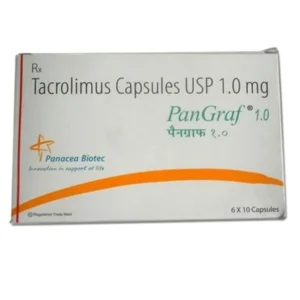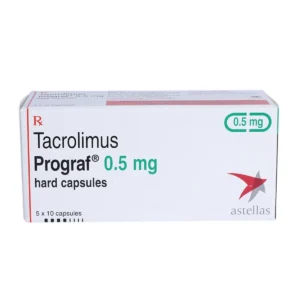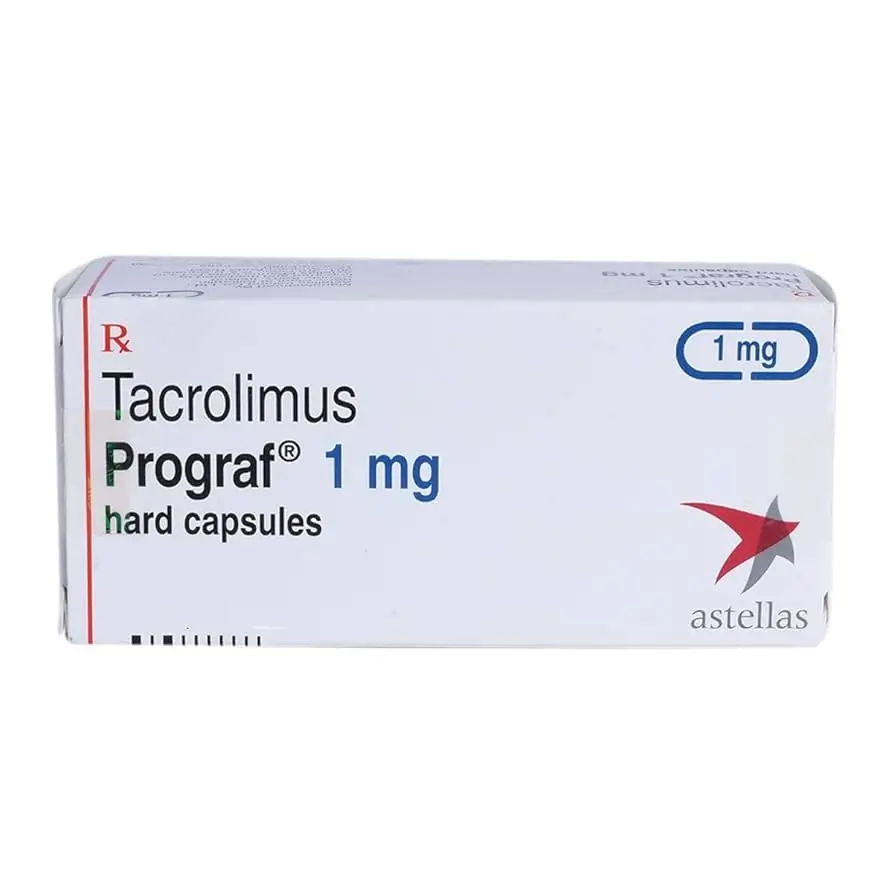
What is Prograf 1mg (Tacrolimus)?
Prograf 1mg contains Tacrolimus 1mg, a powerful immunosuppressive medicine prescribed mainly to prevent organ rejection after transplantation. It belongs to a group of medicines called calcineurin inhibitors, which work by reducing the activity of the immune system.
After an organ transplant, the body’s immune system may identify the new organ as foreign and attack it. Prograf helps prevent this immune response, allowing the transplanted organ to function properly for a longer period.
Prograf 1mg is commonly used in patients who have undergone kidney, liver, or heart transplantation and is usually taken along with other immunosuppressive medicines as part of a complete transplant care plan.
Prograf 1mg Product Information
| Product Name | Prograf 1mg |
|---|---|
| Active Ingredient | Tacrolimus |
| Strength | 1mg |
| Drug Class | Immunosuppressant |
| Category | Calcineurin Inhibitor |
| Dosage Form | Capsule |
| Main Use | Prevention of Organ Rejection |
How Does Prograf 1mg Work?
Prograf contains Tacrolimus, which works by blocking calcineurin, an enzyme needed for the activation of immune cells called T-lymphocytes.
When calcineurin activity is reduced:
- T-cell activation decreases
- Production of inflammatory substances is reduced
- Immune attacks against transplanted organs are controlled
This helps protect transplanted organs from rejection while maintaining their normal function.
Uses of Prograf 1mg
Prograf 1mg may be prescribed for:
Prevention of Kidney Transplant Rejection
It helps reduce the risk of the immune system attacking a transplanted kidney.
Prevention of Liver Transplant Rejection
Tacrolimus helps maintain liver transplant function by controlling immune activity.
Prevention of Heart Transplant Rejection
It may be included in long-term treatment plans following heart transplantation.
Other Specialist Uses
Doctors may prescribe Tacrolimus for certain immune-related conditions when appropriate.
How to Take Prograf 1mg
Take Prograf exactly as prescribed by your transplant specialist.
General instructions:
- Swallow the capsule whole with water.
- Take it at the same time every day.
- Maintain a consistent routine regarding food intake.
- Do not crush or open the capsule.
- Do not change the dose without medical advice.
- Do not stop taking Prograf suddenly.
Stopping Tacrolimus without medical supervision may increase the risk of organ rejection.
Dosage Information
The dosage of Prograf varies depending on:
- Type of organ transplant
- Body weight
- Other medicines being used
- Tacrolimus blood levels
- Kidney and liver function
Your doctor may regularly adjust your dose based on blood test results.
Never change your Prograf dosage on your own.
Benefits of Prograf 1mg
When used correctly, Prograf 1mg may help:
- Prevent transplant rejection
- Protect transplanted organ function
- Improve long-term transplant outcomes
- Reduce immune system attacks
- Support better quality of life after transplantation
Side Effects of Prograf 1mg
Like all medicines, Prograf may cause side effects.
Common Side Effects
Possible side effects include:
- Headache
- Tremors or shaking hands
- High blood pressure
- Increased blood sugar
- Nausea
- Diarrhea
- Loss of appetite
- Sleep problems
- Increased potassium levels
- Kidney function changes
These effects may improve as your body adjusts to treatment.
Serious Side Effects
Contact your doctor immediately if you experience:
- Signs of serious infection
- Fever or chills
- Reduced urine output
- Severe swelling
- Confusion
- Seizures
- Severe allergic reactions
- Chest pain
- Yellowing of skin or eyes
Because Prograf suppresses immunity, patients may have a higher risk of infections.
Precautions Before Taking Prograf
Inform your doctor if you have:
- Kidney problems
- Liver problems
- High blood pressure
- Diabetes
- Heart problems
- Any active infection
- Cancer history
- Pregnancy or breastfeeding
Regular monitoring is important during treatment.
Your doctor may check:
- Tacrolimus blood levels
- Kidney function
- Liver function
- Blood pressure
- Blood glucose levels
Prograf 1mg Drug Interactions
Prograf may interact with several medicines, including:
- Antifungal medicines
- Certain antibiotics
- Blood pressure medicines
- HIV medicines
- Seizure medicines
- Other immune-suppressing medicines
- Herbal supplements such as St. John’s Wort
Always inform your doctor about all medicines, supplements, and herbal products you use.
Foods and Drinks to Avoid
Avoid Grapefruit
Grapefruit and grapefruit juice can increase Tacrolimus levels in the blood and may increase the risk of side effects.
Alcohol
Discuss alcohol consumption with your doctor because it may affect overall health and medication safety.
Storage Instructions
Store Prograf 1mg:
- At room temperature
- Away from moisture and heat
- In the original packaging
- Away from children and pets
Do not use capsules after the expiry date.
Frequently Asked Questions
What is Prograf 1mg used for?
Prograf 1mg is used to prevent rejection of transplanted organs such as kidneys, liver, and heart by suppressing the immune system.
Can I stop Prograf after my transplant becomes stable?
No. Transplant patients usually require long-term immunosuppressive therapy. Never stop Prograf without consulting your specialist.
Why are blood tests needed during Prograf treatment?
Blood tests help maintain the correct Tacrolimus level and reduce the risk of toxicity or transplant rejection.
Can Prograf affect kidneys?
Yes. Tacrolimus can affect kidney function in some patients, which is why regular monitoring is required.
Can I take other medicines with Prograf?
Only take additional medicines after informing your healthcare provider because many drugs can interact with Tacrolimus.
Conclusion
Prograf 1mg (Tacrolimus) is an important immunosuppressive medication used to prevent organ rejection after transplantation. By controlling immune system activity, it helps protect transplanted organs and supports long-term transplant success. Because Tacrolimus requires careful monitoring, patients should follow their healthcare provider’s instructions, attend regular check-ups, and maintain consistent medication use.
Disclaimer: This information is for educational purposes only and does not replace professional medical advice. Always consult your doctor or transplant specialist before starting, stopping, or changing any medication.


Reviews
There are no reviews yet.