
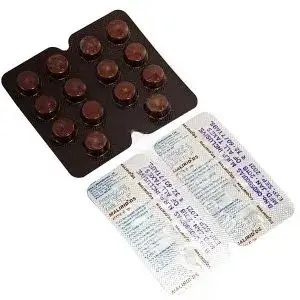
Primaquine 15mg (Primaquine)
Previous product
Larinate 200 Kit (Artesunate/Sulfadoxine/Pyrimethamine)
$36.00 $90.00Price range: $36.00 through $90.00
Next product
Kenacort PFS 40mg Injection (Triamcinolone)
$16.00 $61.00Price range: $16.00 through $61.00
$40.00 $82.00Price range: $40.00 through $82.00
In Stock
In Stock
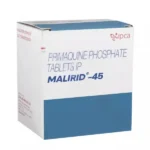
Primaquine 15mg (Primaquine)
| Pack Size | Price | Quantity | Add To Cart | |
|---|---|---|---|---|
| 100 Tablet/s | $40.00 | |||
| 200 Tablet/s | $70.00 | |||
| 300 Tablet/s | $82.00 | |||
| Want to order in bulk / B2B price? Send Inquiry | ||||
×
Sorry!! Out of Stock
Sorry! Primaquine 15mg (Primaquine) is out of stock
Please click below to view other similar medications.
View All Primaquine Products
Offer You Can't Resist
Free Shipping
Enjoy Free Shipping on Orders above AUD304 (USD199)
Estimate Shipping :
05 September - 12 September
45
Smooth ordering process
Smooth ordering process and helpful customer support. Everything was handled professionally from start to shipment
 Australia
August 12, 2026
Last Updated on May 14, 2026

Description
Primaquine 15mg (Primaquine): A Comprehensive Guide
Primaquine 15mg is an extensively employed medication for the management and treatment of malaria, which is a severe parasite disease spread by mosquitoes. A key antimalarial medicine, Primaquine, plays a significant function in the elimination of certain stages of the malaria parasite, aiding in reducing the chance of transmission and relapse.
The article will discuss the mechanism of use, dose, adverse reactions, safety measures, and other crucial aspects of Primaquine 15mg. This will provide you with a complete knowledge of this drug.
What is Primaquine 15mg?
Primaquine is an antimalarial medicine that belongs to the class of 8-aminoquinolines. It’s especially efficient against liver-stages of malaria parasites, particularly Plasmodium vix as well as Plasmodium ovale that can be unnoticed in the liver and result in relapses weeks or months following the first disease.
Primaquine is usually recommended as a tablet of 15mg to be consumed by mouth. It is usually combined with other drugs for antimalarial use in order to eliminate the parasite from your body.
How Does Primaquine Work?
The malaria parasite has multiple life stages that take place within the human liver as well as red blood cells. The majority of antimalarial medications concentrate on the blood stage that is the cause of malaria. Primoquine, however, acts on the stages of dormant liver (hypnozoites) from P. vivax as well as P. ovale. Both of these can trigger recrudescences.
Through the destruction of these liver cells, primaquine can help stop the recurrence of malaria and effectively cure malaria. In addition, Primaquine can kill the sexual manifestations that the parasite carries (gametocytes), which reduces transmission to mosquitoes and thus aids in the prevention of malaria.
Uses of Primaquine 15mg
- Radical cure of Plasmodium vivax and Plasmodium ovale malaria: Primaquine is vital in the prevention of recrudescence through the elimination of liver parasites that lie dormant.
- Prevention of malaria: In a few instances, the use of primaquine can be used to treat malaria as a prophylactic (preventive) therapy for those who travel to areas with malaria.
- Blocking malaria transmission: In killing gametocytes, primaquine decreases the likelihood of causing infection in mosquitoes.
Dosage and Administration
The tablets of Primaquine 15mg should be consumed exactly as recommended by a physician. The dose is based on the illness that is being treated:
- Radical cure of malaria: The standard adult dosage is 15 mg per day over 14 days. The duration may differ according to the guidance of a physician.
- Malaria prophylaxis: An average regimen could involve the dose beginning a few days before the entry into the malaria zone, then being continued daily in the region, and then for 7 days following departure.
Primoquine is best taken along with food in order to decrease the possibility of stomach discomfort. It is essential to finish all the prescribed doses to avoid all relapses.
Side Effects of Primaquine
Although Primaquine is typically well-tolerated, a few side effects could happen:
- Common side effects: Nausea, abdominal pain, headache, dizziness.
- Hemolytic anemia: Primoquine may cause the breakdown of red blood cells in those with an inherited condition known as glucose-6-phosphate dehydrogenase (G6PD) deficiency. This could lead to serious anemia that requires specialized care.
- Methemoglobinemia: A rare condition in which oxygen supply to red blood cells has been impaired.
- Allergic reactions: Rash, itching, or swelling in rare cases.
If you are experiencing symptoms like intense fatigue, dark urine, and breathlessness, or a yellowing of your skin (jaundice), seek medical assistance immediately, since they could indicate serious side effects.
Precautions and Contraindications
- G6PD deficiency: The patient must be tested for G6PD deficiencies before beginning primaquine, due to the possibility of hemolysis.
- Pregnancy: It is not generally recommended in pregnancy since the safety of this drug is not well-established.
- Breastfeeding: Be cautious and speak with an experienced healthcare provider.
- Other medications: Discuss with your physician all medicines you take to ensure that there are no interactions.
Drug Interactions
Primquine can interact with other substances, for example:
- Other antimalarials
- Drugs that affect red blood cells
- Certain antibiotics
Be sure to inform your physician of the medicines and supplements that you are taking.
Storage
The tablets should be stored at room temperature, out of the heat and moisture. Make sure that the tablets are out of access of young children.
Frequently Asked Questions (FAQs)
Can Primaquine 15mg be used for all types of malaria?
No. Primaquine is used specifically to treat the liver phases of Plasmodium vix as well as Plasmodium ovale. Others, like Plasmodium falciparum, are dealt with using different treatments; primaquine could be utilized in conjunction with them to stop transmission.
Why do I need to get tested for G6PD deficiency before taking Primaquine?
Primaquine is known to cause the death of red blood cells for those who suffer from G6PD deficiency, resulting in grave anemia. The tests ensure your safety when taking the medication or assist your doctor in selecting another treatment option.
What should I do if I miss a dose?
Do not miss a dose until immediately when you can remember it or if it’s nearing the time of the next dose. Avoid taking two doses. If you are unsure, talk to your physician.
Can children take Primaquine?
Yes, however, the dose is adjusted according to the child’s weight and health. Be sure to follow the instructions for pediatric dosage given by a doctor.
How long does it take for Primaquine to work?
Primaquine can treat the liver stage parasites within a few hours of administration; however, a full regimen is required to avoid relapse efficiently. The clinical improvement typically occurs in a few days if combined with blood-stage antimalarials.
Are there any food restrictions while taking Primaquine?
Consuming primaquine in conjunction with food may help reduce stomach discomfort. There aren’t any strict restrictions on food; it is recommended to avoid drinking alcohol to reduce the effects.
Can Primaquine be used during pregnancy?
It is usually avoided during pregnancy due to the lack of data on safety and the danger to the developing embryo. Talk to your doctor about options if you’re pregnant or are planning to become pregnant.
Conclusion
Primaquine 15mg is a crucial medicine in fighting malaria, especially to prevent the recurrence of liver stage parasites. Its distinct action against Plasmodium virax as well as Plasmodium ovale is essential for a complete cure as well as combating malaria in the entire world.
But, using primaquine should be considered with care, particularly in relation to G6PD deficiency, as it may cause serious negative side effects among those with vulnerability. Medical supervision that is properly administered, strict adherence to the dose, and knowledge of possible side effects are crucial to ensure the safety and effectiveness of treatment.
Are you or someone else you are traveling with, in areas that have malaria risk or receiving treatment for malaria, talking about primaquine with an expert in healthcare can get the most effective results while taking the least risk.
Additional Information
| Pack Size | 100 Tablet/s, 200 Tablet/s, 300 Tablet/s |
|---|
Related products


Reviews
There are no reviews yet.