

Prilox Cream 5g (Prilocaine/Lidocaine)
Previous product
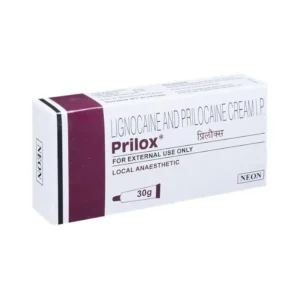
Prilox Cream 30g (Prilocaine/Lidocaine)
$25.00 $120.00Price range: $25.00 through $120.00
Next product
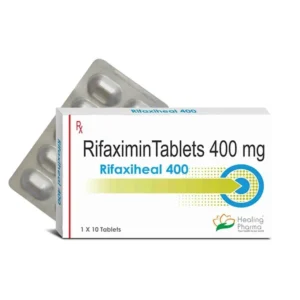
Rifaxiheal 400mg (Rifaximin)
$70.00 $130.00Price range: $70.00 through $130.00
$14.00 $47.00Price range: $14.00 through $47.00
In Stock
In Stock
Prilox Cream 5g (Prilocaine/Lidocaine)
| Pack Size | Price | Quantity | Add To Cart | |
|---|---|---|---|---|
| 3 Cream/s | $14.00 | |||
| 6 Cream/s | $25.00 | |||
| 12 Cream/s | $47.00 | |||
| Want to order in bulk / B2B price? Send Inquiry | ||||
×
Sorry!! Out of Stock
Sorry! Prilox Cream 5g (Prilocaine/Lidocaine) is out of stock
Please click below to view other similar medications.
View All Prilocaine/Lidocaine Products
Offer You Can't Resist
Free Shipping
Enjoy Free Shipping on Orders above AUD304 (USD199)
Estimate Shipping :
09 September - 16 September
23
Professional service
Professional service, excellent communication, and secure packaging. Very satisfied with my overall experience
 Australia
August 13, 2026
Last Updated on May 13, 2026

Description
Prilox Cream 5g (Prilocaine/Lidocaine): A Comprehensive Guide
In the course of treatment, discomfort and pain are frequent issues in a variety of surgical and cosmetic procedures. It’s not a major surgical procedure on the skin, tattooing, or perhaps certain dental procedures; managing discomfort effectively is vital to the satisfaction of the patient and ultimately to successful results. A few of the widely employed topical anesthetics that are used for these reasons are Prilox Cream 5g, which includes two potent local anesthetics, Prilocaine, along with Lidocaine.
In this article, we’ll explore the details of what Prilox Cream is, how it functions, the advantages, uses, and security measures, and address the most frequently asked questions regarding it.
What is Prilox Cream 5g?
Prilox Cream is a topical anesthetic cream containing two active ingredients–Prilocaine and Lidocaine–each belonging to the amide class of local anesthetics. The two ingredients work together to reduce the pain of the tissues surrounding it and its skin by blocking signalling from pain to the brain.
Prilocaine and Lidocaine inhibit sodium channels within nerve cells, which stops the flow of nerve impulses. The result is the sensation of numbness that is localized and lasts long enough for a small cosmetic or surgical procedure to be completed comfortably.
The 5g specifications refer to the volume of cream in the sachet or tube, usually ideal for small or medium applications.
Composition of Prilox Cream
- Prilocaine: 2.5%
- Lidocaine: 2.5%
This combination is believed to be safe and effective for the application of topical anesthesia to various medical procedures.
How Does Prilox Cream Work?
If it is applied to the skin, Prilox Cream is absorbed into the skin’s superficial layer and blocks nerve cells from transmitting messages of pain into the brain. The effects of numbing typically begin after 20-30 minutes of applying it and may be sustained for anywhere from 1 to 2 hours, based on the location and quantity of Prilox Cream used.
Uses of Prilox Cream
Prilox Cream is widely used for:
- Dermatological procedures: For example, minor skin surgery such as laser treatments, tattooing, and the removal of warts or moles.
- Cosmetic procedures: In addition, Botox injections, dermal fillers, and hair removal.
- Dental procedures: The drug is often used to help numb the gums before injection.
- Vaccinations and blood draws: In order to minimize the pain caused by the needle.
- Other minor surgical procedures: In situations where local anesthesia is required.
Benefits of Using Prilox Cream
- Non-invasive pain relief: Stay clear of injections and other systemic effects that can occur.
- Rapid onset: The process can be completed in minutes, allowing processes to start in a short time.
- Dual-action: The combination of two anesthetics provides the most effective sensation of numbness.
- Minimal side effects: If used properly, adverse consequences are not common.
- Convenient application: Self-applied or administered by health professionals.
How to Use Prilox Cream?
- Dry and clean the place in which the cream is to be sprayed.
- Apply a dense layer of the Prilox Cream on the skin.
- Protect the area by covering it using the region with Occlusive dressing or wrap in plastic for better absorption.
- Allow the cream to remain in place for a minimum of 30 to 60 minutes before the procedure.
- Remove the cream with a clean cloth before starting the procedure.
Note: Follow the doctor’s or pharmacist’s guidelines for the exact time and dosage.
Precautions and Warnings
- Do not apply to broken or inflamed skin: This may increase absorption as well as the risk of adverse unwanted side adverse effects.
- Beware of contact with the mucous membranes and eyes.
- Do not recommend for children who are younger than 12 without medical guidance.
- Discuss with your physician any allergies to local anesthetics.
- Pregnancy and breastfeeding: Only use if recommended by a medical specialist.
- Be sure not overdo the dose recommended to prevent systemic toxicity.
Possible Side Effects
Although generally secure, Prilox Cream may cause:
- Redness, irritation, or mild redness around the area of application
- A temporary feeling of numbness, tingling, or even numbness
- Allergic reactions (rare) such as rash, itching, or swelling
- Systemic toxicity symptoms (very rare): dizziness, headache, blurred vision, or cardiac issues if excessive amounts are absorbed.
If you are experiencing extreme side effects, you should seek medical assistance immediately.
Frequently Asked Questions (FAQs)
Q1: How long does the numbing effect of Prilox Cream last?
A1: The numbness typically lasts from 1 to 2 hours, depending on the dose and location of application.
Q2: Can I use Prilox Cream on broken skin or wounds?
A2: No, It shouldn’t be used on infected, broken, or inflamed skin, as it increases the chance of absorption as well as adverse consequences.
Q3: Is Prilox Cream safe during pregnancy?
A3: Make sure to only use as directed by a medical professional since the safety of this medication during pregnancy isn’t fully understood.
Q4: How soon before a procedure should I apply the cream?
A4: If you want the most effective outcomes apply the cream for 30-60 minutes before you start the treatment, and apply the dressing that is occlusive.
Q5: Can Prilox Cream be used on children?
A5: The consensus is that it’s not appropriate for children who are younger than 12 under medical surveillance.
Q6: What should I do if I accidentally get the cream in my eyes?
A6: Wash immediately with plenty of water. Get medical attention if irritation persists.
Q7: Can I use Prilox Cream for tattooing?
A7: Yes, It is used to make the skin numb before tattooing in order to lessen pain.
Q8: How should I store Prilox Cream?
A8: Place the items in a cool and dry area in a dark, shaded area far from the reach of young children.
Conclusion
Prilox Cream 5g, which contains a potent combination consisting of Prilocaine and Lidocaine, makes a highly effective topical anesthetic utilized in both medical and cosmetic procedures to ease discomfort and pain. Its convenience of use, speedy reaction, and generally positive security profile make it a preferred option for the purpose of numbing skin before minor surgery or injections, tattooing, and laser procedures.
But, as with all medications that you take, this one should be taken in a responsible manner and with guidance to avoid any potential adverse side effects. Be sure to adhere to the recommended dosages to avoid applying it to skin that is damaged, and seek out a medical professional for any existing health issues or questions.
If you’re getting ready for a procedure that requires you to reduce discomfort, Prilox Cream offers an efficient and practical solution to local anesthesia. Be sure to apply the correct dosage and talk to your doctor or pharmacist should there be any questions.
Additional Information
| Pack Size | 12 Cream/s, 3 Cream/s, 6 Cream/s |
|---|
Related products





Reviews
There are no reviews yet.