

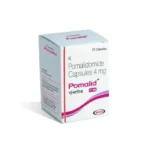
Pomalid 2mg (Pomalidomide)
Previous product

Revolade 25mg (Eltrombopag)
$300.00 $1,192.00Price range: $300.00 through $1,192.00
Next product

Antreol 1mg (Anastrozole)
$28.00 $82.00Price range: $28.00 through $82.00
$247.00 $709.00Price range: $247.00 through $709.00
In Stock
| Manufacturer | Natco Pharma |
In Stock
Pomalid 2mg (Pomalidomide)
| Pack Size | Price | Quantity | Add To Cart | |
|---|---|---|---|---|
| 21 Capsule/s | $247.00 | |||
| 42 Capsule/s | $479.00 | |||
| 63 Capsule/s | $709.00 | |||
| Want to order in bulk / B2B price? Send Inquiry | ||||
×
Sorry!! Out of Stock
Sorry! Pomalid 2mg (Pomalidomide) is out of stock
Please click below to view other similar medications.
View All Pomalidomide Products

Offer You Can't Resist
Free Shipping
Enjoy Free Shipping on Orders above AUD304 (USD199)
Estimate Shipping :
07 June - 14 June
30
Fast dispatch
I have ordered multiple times and always receive excellent service. Fast dispatch, reliable tracking, and great support.
 Australia
May 21, 2026
Last Updated on May 13, 2026

Description
A Comprehensive Guide to Pomalid 2mg (Pomalidomide)
Pomalidomide, which is marketed under brands such as Pomalid 2mg and Pomalid 2mg, is a prescribed medication utilized for the treatment of specific blood cancers. It is part of a group of medicines called immunomodulatory agents. It is now a major treatment choice for those suffering from Multiple Myeloma with relapse or who have refractory disease.
In this post, we’ll explore the benefits of Pomalid 2mg and how it functions with its intended uses, the adverse effects, and warnings, as well as answer the most frequently requested concerns. This complete guide is designed to aid patients and their caregivers in comprehending this complex but powerful medicine.
What is Pomalid 2mg (Pomalidomide)?
Pomalidomide is the synthetic form of thalidomide. It is specifically designed to increase immunity and reduce the growth of cancerous cells. It’s part of the immunomodulatory medications (IMiDs) class, which regulates the body’s immune response. They are also anti-angiogenic (they stop the development of blood vessels, which cancerous tumors require to develop).
A 2 mg tablet dose is among the most common dosages, but the amount is dependent upon the specific patient’s health condition and the response to treatment.
How Does Pomalidomide Work?
Pomalidomide can exert its influence in several ways:
- Immune modulation: It boosts the activities of T cells and the natural killer (NK) cells that assist the body’s immune system in destroying cancerous cells.
- Anti-angiogenesis: It blocks the development of blood vessels (angiogenesis) essential to support tumor growth and longevity.
- Direct tumor cell effects: Pomalidomide causes the death of cancer cells (apoptosis) and also disrupts the tumor’s microenvironment, which aids in the growth of cancer.
By a combination of these activities, the drug helps to slow down the progression of patients suffering from multiple myeloma who do not respond to conventional therapies.
Indications for Pomalid 2mg
Pomalid 2mg is indicated to treat:
- Relapsed or refractory multiple myeloma: Patients with a recurrence of the disease following previous treatment, or who are not responding to alternative treatments.
- Sometimes, it is used with other medications, for example, dexamethasone, in order to boost the effectiveness of.
This isn’t used for primary treatment; however, it can be used only in situations where traditional therapies fail.
Dosage and Administration
Dosing guidelines for the Pomalid 2 mg dose are:
- A daily dose of oral medication is administered for 21 days. Followed by a seven-day break (a 28-day course).
- The dosage and frequency could be modified by the health professional depending on the patient’s tolerance, as well as side effects and reaction to treatment.
Patients should strictly follow the prescribed dosage schedule and not miss doses to get the most benefit from their treatment.
Benefits of Pomalid 2mg
- Effective for resistant myeloma: Pomalidomide provides hope to patients suffering from multiple myeloma who are difficult to treat, helping to improve survival without progression.
- Oral administration: The ease of oral doses can make treatment more convenient compared to intravenous treatments.
- Combination potential: It is able to be used in conjunction with other drugs like the proteasome inhibitors or corticosteroids for improved therapeutic effects.
Common Side Effects
Pomalid 2mg, as with other cancer medicines, could produce unwanted side effects, some of which could be severe. Some of the most frequent side effects include:
- Fatigue and weakness
- Low blood counts (neutropenia, anemia, and thrombocytopenia) increase the chance of bleeding and infections
- Constipation or diarrhea
- Nausea
- Peripheral neuropathy (tingling or numbness in hands/feet)
- Increased risk of blood clots (thrombosis)
- Rash
Patients require close supervision through regular blood tests in order to control these adverse effects efficiently.
Serious Risks and Precautions
- Pregnancy risk: Pomalidomide is a highly teratogenic drug (can result in severe birth defects). The strictest pregnancy prevention program is essential for male as well as female patients who have reproductive potential.
- Blood clots: Patients could require anticoagulation therapy to decrease the risk of deep vein thrombosis and embolism in the lungs.
- Infections: The immune system is weakened, which increases the susceptibility to illnesses. It is imperative to seek medical attention immediately in the event that a fever or symptoms of infection are observed.
- Blood disorders: A regular blood count check is vital to identify and control anemia, neutropenia, or other blood disorders earlier.
- Liver and kidney function: The dosage adjustments depend on the organ’s performance.
Frequently Asked Questions (FAQs)
What should I do if I miss a dose of Pomalid 2mg?
If you do not take a dose, make sure to take it when you remember it on the same day. Don’t take additional doses, or even double them to compensate for missing tablets. Inform your physician if you are prone to missing doses regularly.
Can I take Pomalid 2mg with food?
Yes, pomalidomide is taken without or with food. Combining it with food could assist in the reduction of nausea.
How long does treatment with Pomalid 2mg last?
The length of treatment depends on your reaction and tolerance. Treatment is generally maintained until disease development or an unacceptable level of toxicity develops or is advised by your doctor.
Can I become pregnant or father a child while on Pomalid 2mg?
No. Pomalidomide can cause serious birth defects. A safe contraception method is essential while taking the drug and for a certain time period following discontinuation of the medication. Women and men alike should adhere to the guidelines.
Are there any drug interactions I should be aware of?
Pomalidomide may interact with other drugs, like certain antifungals, anticonvulsants, and blood thinners. Be sure to inform your doctor of all medications and supplements you take.
What symptoms require immediate medical attention?
Seek immediate care if you experience:
- Signs of blood clots (swelling, pain, redness in limbs, chest pain, or shortness of breath)
- Fever or signs of infection
- Severe bleeding or bruising
- Severe allergic reactions such as rash, itching, or difficulty breathing
Conclusion
Pomalid 2mg (pomalidomide) is a crucial medicine in fighting the relapsed or resistant form of multiple myeloma. The ability of this drug to regulate your immune system slows down the growth of tumors, and functions in conjunction with other medications to provide a viable alternative for patients who are limited in their options.
Even with its many advantages, the drug requires cautious administration and monitoring because of the possibility of severe side effects, including blood disorders, as well as teratogenicity. The patients who take Pomalid 2mg must maintain constant contact with their medical team, adhere to all safety recommendations, and notify any negative reactions immediately.
If used with care and under medical surveillance, Pomalid 2mg can significantly increase your quality of life as well as the clinical outcome of patients with difficult multiple myeloma.
Additional Information
| Pack Size | 21 Capsule/s, 42 Capsule/s, 63 Capsule/s |
|---|
Related products



Recently Viewed

Reviews
There are no reviews yet.