

Polaramine (Dexchlorpheniramine)
Previous product

Patanol Eye Drops (Olopatadine)
$16.00 $94.00Price range: $16.00 through $94.00
Next product
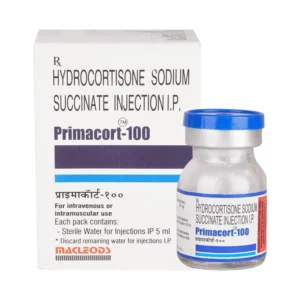
Primacort injection 100mg (Hydrocortisone)
$15.00 $36.00Price range: $15.00 through $36.00
$30.00 $54.00Price range: $30.00 through $54.00
In Stock
In Stock
Polaramine (Dexchlorpheniramine)
| Pack Size | Price | Quantity | Add To Cart | |
|---|---|---|---|---|
| 60 Tablet/s | $30.00 | |||
| 90 Tablet/s | $42.00 | |||
| 120 Tablet/s | $54.00 | |||
| Want to order in bulk / B2B price? Send Inquiry | ||||
×
Sorry!! Out of Stock
Sorry! Polaramine (Dexchlorpheniramine) is out of stock
Please click below to view other similar medications.
View All Dexchlorpheniramine Products
Offer You Can't Resist
Free Shipping
Enjoy Free Shipping on Orders above AUD304 (USD199)
Estimate Shipping :
08 June - 15 June
35
Last Updated on May 13, 2026

Description
Polaramine (Dexchlorpheniramine): Uses, Benefits, and Important Information
Polaramine is one of the most popular medications that has an active substance, Dexchlorpheniramine that is used extensively to treat allergies. It’s part of a category of medications known as antihistamines. They are beneficial in reducing symptoms caused by allergies, such as a running nose, sneezing, watery, itchy eyes. This blog outlines the essential information you should learn about Polaramine in terms of its use, as well as its effects, along with dosage guidelines, possible side consequences, safety precautions, and frequently asked questions.
What is Polaramine?
Polaramine is the trademark name for a medicine whose active component is dexchlorpheniramine maleate. Dexchlorpheniramine is an antihistamine in the first class that blocks the actions of histamine, which is a chemical that’s produced by the body when it experiences allergic reactions. Histamine can trigger various common symptoms of allergy, and by blocking the receptors for it, Polaramine helps reduce or completely eliminate the symptoms.
Polaramine can be purchased in a variety of formats, including tablets, syrups, and injectables, so it is suitable for a variety of demands of the patient.
Uses of Polaramine
The primary use of polaramine is for treating symptoms resulting from allergic reactions. A few of its most popular applications include:
- Allergic Rhinitis (Hay Fever): Helps with symptoms such as sneezing, nasal congestion, and a dry nose.
- Urticaria (Hives): It helps reduce itching and rash.
- Allergic Conjunctivitis: Reduces itching, redness, and watery eyes.
- Atopic Dermatitis: It is used as a part of the treatment that reduces the itching, irritation, and redness.
- Anaphylaxis Adjunct Therapy: Sometimes combined with other treatment options for serious allergies.
- Insect Bites and Stings: It reduces swelling and itching that are caused by bites from insects.
- Other Allergic Conditions: For example, food allergic reactions, drug allergies, and itching caused by eczema.
How Does Polaramine Work?
Polaramine is active through its component Dexchlorpheniramine, which is able to block histamine receptors H1 throughout the body. Histamine is produced by immune cells as a response to allergens. It is able to bind with these receptors, creating symptoms such as itching, swelling, and the production of mucus.
Through blocking the receptors that it blocks, Polaramine prevents histamine from producing its effects, thus alleviating symptoms associated with allergies. Since it’s a first-generation antihistamine, it also has the ability to traverse the blood-brain barrier and can lead to the feeling of drowsiness or even sedation.
How to Use Polaramine
It is essential to utilize Polaramine in the exact manner prescribed by your doctor or in accordance with the package:
- Dosage: The dosage varies according to your age, the severity of your symptoms, and the formula that is used. For adults, usual doses of oral medication can range from 2 mg to 6 mg per day, divided into 3 or 2 dosages.
- Administration: Tablets are best swallowed whole by drinking water. Syrups must be weighed using the spoon that comes with it or a syringe.
- Frequency: It is typically taken at intervals of up to 6 hours based on the formula and symptoms.
- Duration: Utilize for the time required to treat the symptoms.
- With or without food: It can be consumed in combination with or without food; however, taking it with food can help reduce stomach discomfort.
Don’t exceed the dosage recommended and speak with a doctor when symptoms do not improve after several days.
Side Effects of Polaramine
Similar to many medicines, Polaramine may cause side effects. However, not everybody suffers from them. Common side effects are:
- Drowsiness or sedation: Because of its capacity to influence the central nervous system.
- Dry mouth, nose, or throat: An often-reported side effect from antihistamines.
- Dizziness or headache: It can happen to certain users.
- Gastrointestinal issues: Like nausea or mild stomach pain.
- Blurred vision or difficulty urinating: Less common but possible.
The more serious effects of the drug occur less frequently; they could include allergies to the drug in it, like the appearance of a rash, swelling, or breathing difficulties. If you are experiencing any of these issues, take immediate medical assistance.
Precautions and Warnings
Before you use Polaramine, take note of the following warnings:
- Pregnancy and breastfeeding: Only use if recommended by a medical professional since safety hasn’t been confirmed in full.
- Children and elderly: Be cautious when using. Adjustments to dosages may be required.
- Driving and operating machinery: Do not take it if you experience drowsiness or dizziness following the drug.
- Other medications: Tell your doctor about any other medicines you’re taking because Polaramine may interfere with sedatives, muscle relaxants, and other CNS depressants.
- Medical conditions: Inform your doctor if you suffer from an asthma attack, glaucoma, or kidney or prostate disease.
Storage Instructions
Keep Polaramine in an area that is cool and dry, far from the sun’s rays and humidity. Make sure that it is out of reach for young children. Do not take the medicine after its expiration date.
Frequently Asked Questions (FAQs)
Is Polaramine safe for children?
Polaramine is a popular choice for youngsters; the dosage should be adapted according to the weight and age of the child. Consult a doctor before prescribing Polaramine to kids.
Can Polaramine cause drowsiness?
Yes, Drool is an everyday side effect since it is caused by crossing the blood-brain barrier. Do not drive or operate heavy equipment until you understand what it does to your health.
How quickly does Polaramine work?
Polaramine usually begins to ease allergic symptoms in 30 minutes to an hour after administration.
Can I drink alcohol while taking Polaramine?
Alcohol may cause sedative effects from Polaramine. Therefore, it’s recommended to avoid it during treatment.
What should I do if I miss a dose?
Do not miss the dose when you can remember. If you are nearing the time to take your next dose, do not take the dose you missed and go on according to the schedule. Never double the dosage.
Can Polaramine be used for cold symptoms?
It may help relieve signs like a runny nose and sniffing, but it is not able to help treat the actual cold virus.
Are there any long-term effects of using Polaramine?
In general, long-term usage is not advised without medical supervision because tolerance and adverse consequences can arise.
Can I use Polaramine during pregnancy?
Talk to your physician before taking Polaramine in pregnancy, as its safety has not yet been fully proven.
Does Polaramine interact with other medications?
Yes, it interacts with antidepressants, sedatives muscles relaxants, as well as alcohol. Be sure to inform your physician of any medication you are taking.
Can Polaramine cause allergic reactions?
While it’s not very common, a few people are susceptible to being affected by Dexchlorpheniramine. The symptoms include itching, rash, and swelling. It can also cause dizziness or trouble breathing.
Conclusion
Polaramine (Dexchlorpheniramine) is an effective antihistamine widely used to treat various allergic conditions. Its capability to block the histamine receptors assists in reducing common symptoms of allergy, like sneezing, itching, or a runny nose, as well as watering eyes. Though generally safe to use in accordance with the directions, patients must be aware of possible adverse effects such as drowsiness or dry mouth. Follow the instructions carefully.
If you are experiencing persistent allergic symptoms or other adverse reactions, and you are taking Polaramine, ask your medical physician for assistance. The proper use of this drug could significantly enhance the quality of life and comfort for those suffering from allergies.
Additional Information
| Manufacturer | Fulford India Ltd |
|---|---|
| Pharmaceutical | Tablet/s |
| Strength | 2 mg |
| Pack Size | 60 Tablet/s, 90 Tablet/s, 120 Tablet/s |
Related products




Recently Viewed
Reviews
There are no reviews yet.