
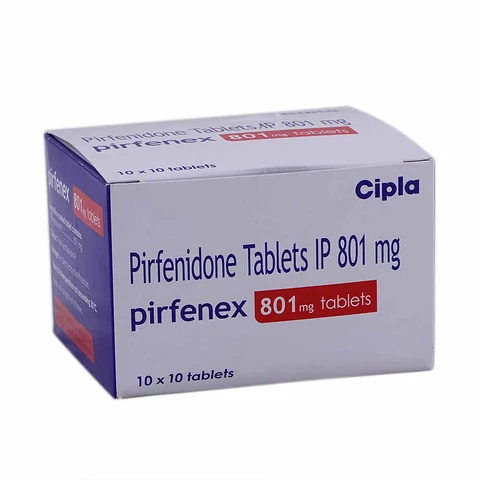
Pirfenex 801mg (Pirfenidone)
Previous product
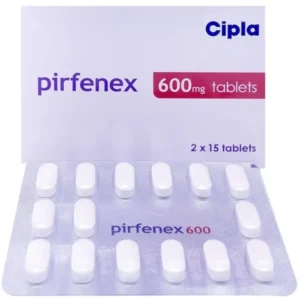
Pirfenex 600mg (Pirfenidone)
$127.00 $307.00Price range: $127.00 through $307.00
Next product
Pirox 20mg (Piroxicam)
$17.50 $30.00Price range: $17.50 through $30.00
$80.00 $256.00Price range: $80.00 through $256.00
In Stock
In Stock
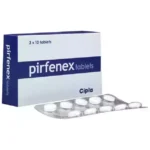
Pirfenex 801mg (Pirfenidone)
| Pack Size | Price | Quantity | Add To Cart | |
|---|---|---|---|---|
| 30 Tablet/s | $80.00 | |||
| 60 Tablet/s | $144.00 | |||
| 120 Tablet/s | $256.00 | |||
| Want to order in bulk / B2B price? Send Inquiry | ||||
×
Sorry!! Out of Stock
Sorry! Pirfenex 801mg (Pirfenidone) is out of stock
Please click below to view other similar medications.
View All Pirfenidone Products
Offer You Can't Resist
Free Shipping
Enjoy Free Shipping on Orders above AUD304 (USD199)
Estimate Delivery :
20 September - 27 September
23
Very easy to order
I have been struggling with staying focused and maintaining productivity for years, particularly during long workdays. After researching various options, I decided to give Modalert 100 MG a try, and I can confidently say it has been a game-changer for me.
 Australia
February 11, 2025
Response from Modalertaustralia
Thank you for sharing your experience! We’re glad to hear Modalert 100 MG has helped support your focus and productivity during long days. Feedback like this means a lot to us and to others considering their options. Please continue to use the medication as directed, and feel free to reach out if you ever need assistance.
Last Updated on May 13, 2026

Description
Pirfenex 801mg (Pirfenidone): A Comprehensive Guide
Pirfenex 801mg, which contains its active component Pirfenidone, is a vital medicine used to treat some lung-related chronic diseases, especially Idiopathic Pulmonary Fibrosis (IPF). The drug is gaining recognition due to its capability to reduce the progression of the disease and enhance the quality of numerous sufferers.
In this article, we’ll go over all you need to learn about Pirfenex 801mg – the way it functions and what it does, the benefits, dosage instructions, the possibility of adverse consequences, safety precautions, and frequently sought-after questions.
What is Pirfenex 801mg (Pirfenidone)?
Pirfenex is the brand name for a medication whose primary substance can be identified as Pirfenidone, which is an anti-inflammatory, anti-fibrotic drug. It is typically prescribed to treat patients suffering from Idiopathic Pulmonary Fibrosis (IPF), an advanced lung condition that is characterized by scarring (fibrosis) in lung tissues. The scarring can make it hard for the lungs to function well, which can cause symptoms like the breath and a persistent cough.
Pirfenidone can slow down the process of fibrosis by blocking collagen production and decreasing inflammation, which could assist in maintaining lung health as time passes.
Medical Uses of Pirfenex 801mg
- Idiopathic Pulmonary Fibrosis (IPF)
IPF is the most common reason for Pirfenex. There’s no cure for IPF. However, Pirfenidone aids in:
- The decline of lung function
- Reduce lung inflammation
- Slow down the progression of the disease
- Increase survival rates and improve the quality of life
- Other Fibrotic Lung Diseases (Off-label Use)
A few clinicians could employ Pirfenidone for other lung fibrotic ailments; its application in excess of IPF is typically considered unapproved and should be directed by a doctor.
How Does Pirfenex Work?
Pirfenidone has its effect in several ways:
- Anti-fibrotic: It blocks fibroblast growth and collagen production. This minimizes scarring within lung tissue.
- Anti-inflammatory: It regulates inflammatory cytokines such as tumor necrosis factor-alpha (TNF-α) and the transforming growth factors-beta (TGF-β), both of which are involved in the process of fibrosis.
- Antioxidant: It decreases the oxidative stress of lung cells.
Together, these steps aid in reducing the damage caused by fibrosis.
Dosage and Administration
Pirfenex tablets are typically available in 267mg dosages. The recommended dosage for adults is 801mg three times a day (total 2403 mg/day). The dose is typically gradually increased over a period of 2 weeks to limit the potential for side effects:
- Days 1-7: 267mg three times a day
- Days 8-14: 534mg three times a day
- Day 15 onwards: 801mg three times a day
Use the tablets along with your food in order to lessen the gastrointestinal negative effects.
Important: Always adhere to your physician’s prescriptions concerning dosage.
Benefits of Pirfenex 801mg
- Reduces the progression of lung fibrosis
- Enhances lung function and exercise capacity
- Might prolong the life of IPF patients
- Improves the level of quality of life
- Ingestion via the oral route (tablets) is easy for patients
Side Effects of Pirfenex
Just like all drugs, Pirfenex may cause side reactions, but not all sufferers experience them. Some of the most frequent side effects are:
- Nausea and vomiting
- Diarrhea
- Loss of appetite
- Dizziness
- Fatigue
- Rash and photosensitivity (increased sensitivity to sunlight)
- Liver function abnormalities (monitoring is required)
If you notice serious side effects like extreme rash, jaundice, or breathing problems, you should consult a doctor immediately.
Precautions and Warnings
- Liver function monitoring: The regular blood tests are necessary for assessing the health of your liver.
- Avoid excessive sunlight: Pirfenex may cause photosensitivity. Wear sunscreen and clothing that is protective.
- Pregnancy and breastfeeding: There is no evidence of safety. Consult your physician.
- Drug interactions: Discuss with your doctor all medications and supplements you’re using.
- Kidney or liver impairment: It is possible to make adjustments to the dosage.
FAQs About Pirfenex 801mg (Pirfenidone)
Q1: How long does it take for Pirfenex to work?
A: The benefits may take a few weeks or months before they become evident. It is the goal to stop the progression of the disease rather than instant alleviation of symptoms.
Q2: Can Pirfenex cure Idiopathic Pulmonary Fibrosis?
A: No, It’s not true. Pirfenex doesn’t cure IPF; however, it can slow down the process of scarring on lung and enhance the quality of living.
Q3: What should I do if I miss a dose?
A: You should take the dose missed immediately after you can remember. If you’re close to your next dose, you can skip the dose you missed. Don’t double the dosage.
Q4: Can I drink alcohol while taking Pirfenex?
A: Drinking alcohol can increase the chance of damage to the liver. The best option is to stay clear of or limit your consumption of alcohol and speak to your physician.
Q5: Is Pirfenex safe for elderly patients?
A: Yes, It is secure, but it should be utilized in conjunction with the possibility of other medical conditions.
Q6: Do I need to avoid sun exposure while on Pirfenex?
A: Yes, Absolutely, Pirfenex may increase the sensitivity to light. Do not expose yourself to the sun for too long and apply sunscreen.
Q7: What monitoring is needed during treatment?
A: The routine liver function tests, as well as blood counts, are often needed to look out for adverse reactions.
Q8: Can Pirfenex be used with other IPF medications?
A: Patients may use it along with other treatments. However, it should only be used under the strict supervision of a medical professional.
Conclusion
Pirfenex 801mg (Pirfenidone) is an impressive improvement in the treatment of Idiopathic Pulmonary Fever that gives patients hope through slowing the progression of the disease while preserving the function of the lung. Though it’s not a cure-all, its anti-inflammatory and anti-fibrotic qualities make it a necessary treatment for patients in this difficult condition.
If you or your relative has had a diagnosis of IPF, seek out an expert in pulmonology or a healthcare professional for a discussion about whether Pirfenex is a good component of your treatment. Like all medicines that are prescribed, adhering to dosing guidelines regularly, monitoring on a regular basis, and taking routine precautions can maximize the advantages and reduce the risk.
Additional Information
| Active Ingredient: | Pirfenidone |
|---|---|
| Indication: | Idiopathic Pulmonary Fibrosis |
| Manufacturer: | Cipla Limited |
| Packaging: | 10 Tablets in 1 Strip |
| Strength: | 801mg |
| Delivery Time: | 7 To 15 days |
Related products


Recently Viewed
Reviews
There are no reviews yet.