
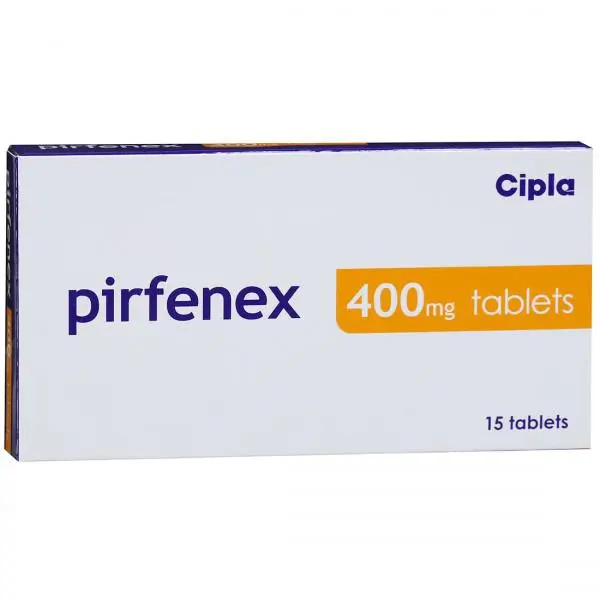
Pirfenex 400mg (Pirfenidone)
Previous product
Pimrolis 1% Cream
A$70.00 A$238.00Price range: A$70.00 through A$238.00
Next product
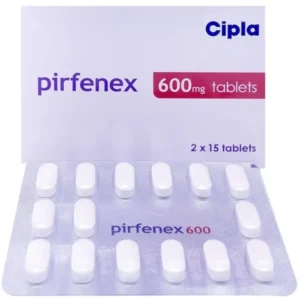
Pirfenex 600mg (Pirfenidone)
A$177.80 A$429.80Price range: A$177.80 through A$429.80
A$109.20 A$350.00Price range: A$109.20 through A$350.00
In Stock
In Stock
Pirfenex 400mg (Pirfenidone)
| Pack Size | Price | Quantity | Add To Cart | |
|---|---|---|---|---|
| 60 Tablet/s | A$109.20 | |||
| 120 Tablet/s | A$196.00 | |||
| 240 Tablet/s | A$350.00 | |||
| Want to order in bulk / B2B price? Send Inquiry | ||||
×
Sorry!! Out of Stock
Sorry! Pirfenex 400mg (Pirfenidone) is out of stock
Please click below to view other similar medications.
View All Pirfenidone Products
Offer You Can't Resist
Free Shipping
Enjoy Free Shipping on Orders above AUD304 (USD199)
Estimate Shipping :
21 June - 28 June
36
Last Updated on May 13, 2026

Description
Pirfenex 400mg, which contains its active component Pirfenidone it is a medicine that is used mostly to manage Idiopathic Pulmonary Fibrosis (IPF)–a chronic and chronic lung condition that results in scarring (fibrosis) in lung tissues. The scarring of the lung stiffens it and causes breathing difficulties, ultimately affecting the absorption of oxygen.
Pirfenex is part of a group of antifibrotic medications that slow the progression of lung fibrosis. It can improve the quality of life and possibly increase the survival rate of IPF patients. This article will explain the way Pirfenex is used, as well as its usage in clinical practice, dosage, side effects, precautions, and address common queries in order to assist patients with understanding the importance of this medication.
What is Pirfenex 400mg?
Pirfenex 400mg is the brand term used to describe the medication Pirfenidone that is an oral anti-inflammatory and anti-fibrotic medication approved to treat Idiopathic Pulmonary Fibrosis. It works by decreasing the proliferation of fibroblasts, preventing collagen synthesis, and decreasing inflammation mediators. This helps in reducing the progression of lung tissue fibrosis.
How Does Pirfenidone Work?
Idiopathic pulmonary fibrosis is characterised by an unnatural process of healing wounds in the lungs. This can lead to an excessive formation of scar tissue. Pirfenidone addresses several of the pathways involved in the process:
- Inhibits TGF-β (Transforming Growth Factor-beta): An important cytokine that is involved in fibrosis.
- Reduces fibroblast proliferation: Stops the proliferation of the collagen-producing cells.
- Anti-inflammatory effects: Reduces the inflammatory cytokines that cause lung damage.
In addressing these mechanisms, Pirfenidone helps slow down the pace at which lung function is declining within IPF patients.
Uses of Pirfenex 400mg
Pirfenex is most often prescribed to treat:
- Idiopathic Pulmonary Fibrosis (IPF)
The most common and accepted reason for Pirfenex is Idiopathic Pulmonary Fibrosis. It is a progressive lung condition that has an unidentified cause. This medication can be used to treat:
- Lung scarring slows down.
- Lower the rate of decline in lung function.
- Enhance the exercise tolerance of patients.
- It could potentially extend life.
- Other Fibrotic Lung Diseases (Off-label)
In certain instances, doctors could recommend Pirfenidone off-label to treat other types of pulmonary fibrosis. However, it should be administered only under the supervision of a specialist.
Dosage and Administration
The dosage recommended for Pirfenex is different, but generally follows gradually increasing the dose to limit adverse effects:
- Starting dose: 3 times a day, 267 mg during the first week.
- Increase to: 534 mg 3 times a day beginning in week 2 and onwards.
- Maintenance dose: Most commonly, 1602 mg per day is divided into three dosages (typically two tablets of 267 mg every day, for 801 mg for each dosage).
Pirfenex can be consumed in conjunction with food to ease stomach discomfort.
Important:
- The need for dose adjustments is often necessary for those suffering from renal or liver impairment.
- Always follow the doctor’s prescriptions strictly.
- Don’t stop taking medication abruptly without consulting your physician.
Side Effects of Pirfenex 400mg
Although Pirfenex is typically well-tolerated, some adverse reactions may be experienced, particularly in the time of dose increase.
Common Side Effects:
- Gastrointestinal: Nausea, vomiting, dyspepsia (indigestion), diarrhea, abdominal pain
- Skin-related: The photosensitivity reaction, also known as rashes (sunburn-like reaction after exposure to sunlight)
- Fatigue and dizziness
Less Common but Serious Side Effects:
- Liver enzyme elevations: Regularly checking the liver function test is crucial.
- Severe allergic reactions: Very rare but feasible.
- Interstitial lung disease worsening: It is not common but crucial to note the symptoms that are getting worse immediately.
Precautions and Warnings
- Sun exposure: Pirfenex can increase the sensitivity to the sun; therefore, people with the condition should stay away from excessive exposure to the sun and apply sun protection such as hats or sunscreen.
- Liver function: Monitoring of liver enzymes regularly is crucial due to the danger of hepatotoxicity.
- Pregnancy and breastfeeding: The security of Pirfenidone in lactation or during pregnancy isn’t fully proven, and it is recommended to use it only in cases of need and prescribed by a medical professional.
- Drug interactions: Do not use concurrently with powerful CYP1A2 inhibitors such as fluvoxamine because they may boost Pirfenidone levels, as well as the possibility of adverse consequences.
- Alcohol: Avoid or reduce it since it could raise the risk of liver poisoning.
Who Should Not Take Pirfenex?
- People who are allergic to Pirfenidone or any of its components.
- Patients who have severe impairments to their liver.
- Patients taking medication that can hinder CYP1A2 enzymes, without strict surveillance.
How to Store Pirfenex
Keep Pirfenex tablets in a dry, cool space free of the sun’s rays and humidity. Be sure to keep them out of the reach of young children.
Frequently Asked Questions (FAQs)
How long does it take for Pirfenex to work?
Pirfenex does not reverse lung damage but slows progression. The improvement or stabilization could appear over a period of time. However, regular treatment is essential to preserve advantages.
Can I drink alcohol while taking Pirfenex?
The consumption of alcohol should be restricted or avoided, as it could cause liver issues when combined with Pirfenidone.
What should I do if I miss a dose?
You should take the dose missed when you remember. However, if you think it’s close to the time for the next dose; do not take your missed dose. Don’t double your dose.
Is Pirfenex effective for IPF?
No, it’s not; Pirfenex is not a cure, but rather a method to stop the progression of disease and increase the quality of your living.
Can Pirfenex be taken long term?
Yes, the majority of the time, it’s recommended for use over a long period under the supervision of a medical professional, and periodic monitoring of the reactions and functioning of the liver.
Are there any foods or medicines to avoid while on Pirfenex?
Beware of grapefruit and grapefruit juice because they may influence the drug metabolism. Be sure to inform your physician about any possible interactions with other drugs.
Conclusion
Pirfenex 400mg (Pirfenidone) provides a significant breakthrough in the treatment of idiopathic pulmonary fibrosis. It slows the formation of lung scars and maintains lung functioning. Though it’s not a cure for the disease, its anti-inflammatory and anti-fibrotic properties enhance the health and extend the duration of their lives.
Because of its possible side effects and the need for careful and constant monitoring, Pirfenex should only be administered under supervision by a medical specialist. Check-ups on a regular basis, liver function tests, and adherence to dosage instructions are crucial for safe and effective treatment.
If you or a family member of a person has been diagnosed with IPF and you are concerned, talk to an ophthalmologist or healthcare professional to determine if Pirfenex may be the best treatment option.
Additional Information
| Active Ingredient: | Pirfenidone |
|---|---|
| Indication: | Idiopathic Pulmonary Fibrosis |
| Manufacturer: | Cipla Limited |
| Packaging: | 15 Tablets in 1 Strip |
| Strength: | 400mg |
| Delivery Time: | 7 To 15 days |
Related products


Recently Viewed

Reviews
There are no reviews yet.