

Pirfenex 200mg (Pirfenidone)
Previous product

Doxolin 400mg (Doxofylline)
A$14.04 A$32.29Price range: A$14.04 through A$32.29
Next product
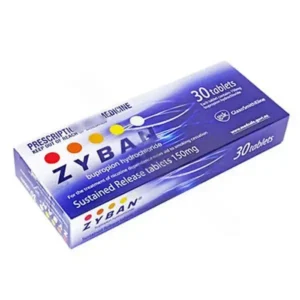
Zyban SR (Bupropion)
A$18.25 A$50.54Price range: A$18.25 through A$50.54
A$126.34 A$189.51Price range: A$126.34 through A$189.51
In Stock
In Stock
Pirfenex 200mg (Pirfenidone)
| Pack Size | Price | Quantity | Add To Cart | |
|---|---|---|---|---|
| 90 Tablet/s | A$126.34 | |||
| 120 Tablet/s | A$160.03 | |||
| 150 Tablet/s | A$189.51 | |||
| Want to order in bulk / B2B price? Send Inquiry | ||||
×
Sorry!! Out of Stock
Sorry! Pirfenex 200mg (Pirfenidone) is out of stock
Please click below to view other similar medications.
View All Pirfenidone Products

Offer You Can't Resist
Free Shipping
Enjoy Free Shipping on Orders above AUD304 (USD199)
Estimate Delivery :
02 October - 09 October
25
Clear and straightforward to order
Fast, inexpensive and great products.
 Australia
February 19, 2025
Response from Modalertaustralia
Thank you for your great feedback! We’re happy to hear you’re satisfied with our pricing, fast service, and product quality. Providing value and reliability is always our goal. We truly appreciate your support!
Last Updated on May 13, 2026

Description
Introduction
Pirfenex 200mg is a brand-name medicine that contains Pirfenidone as an antifibrotic, anti-inflammatory drug that is commonly used to treat Idiopathic Pulmonary Fibrosis (IPF). IPF is a persistent progressive lung condition that is which is characterised by scarring (fibrosis) of lung tissue that leads to the loss of lung function with time.
Pirfenidone is a promising drug for slowing the development of fibrosis through reducing inflammation and the fibrotic process in the lung. This blog post is designed to give a complete review of Pirfenex 200mg, including what it does, how you should use it, potential side effects, the precautions to take, and responses to the most frequently asked queries.
What is Pirfenex 200mg?
Pirfenex 200mg is a tablet formula of pirfenidone that is specifically designed to be used orally. Pirfenidone is categorized as an antifibrotic drug, which means it aids in preventing or lessening fibrosis, which is the process of scarring and enlargement in connective tissue. This makes it particularly beneficial in conditions of the lung, such as Idiopathic Pulmonary Fibrosis. The scarring can hinder breathing.
The precise mechanism of pirfenidone isn’t fully understood. However, it is believed that it works via:
- Inhibiting the formation of fibrogenic factor like TGF- β, this is transforming growth factor (TGF-β).
- The inhibition of collagen synthesis is an essential ingredient in scar tissue.
- Anti-inflammatory properties that reduce the amount of damage to lung tissue.
Medical Uses of Pirfenex 200mg
The most common indication that has been approved for Pirfenex 200mg is:
- Idiopathic Pulmonary Fibrosis (IPF)
IPF is a severe lung disorder with no known cause that can cause chronic scarring of the lung tissues, which reduces the capacity of the lungs to transport oxygen to the bloodstream. The symptoms typically consist of chronic dry cough, shortness, and fatigue. The study has shown that pirfenidone can delay the decline of lung function, enhance prognosis-free survival, and lower the chance of developing acute exacerbations.
Off-label or Investigational Uses:
Although Pirfenidone is primarily used to treat IPF, ongoing research has been conducted on its possible benefits in other fibrotic disorders, including:
- Interstitial lung disease causing systemic sclerosis
- Liver fibrosis
- Other conditions that cause fibrosis that affect the organs and skin
Dosage and Administration
Pirfenex 200mg tablets are typically used for oral consumption during meals in order to minimize gastrointestinal adverse consequences.
Typical Dosing Schedule:
The dosage is usually adjusted during the initial 2 weeks to reduce the risk of adverse reactions:
- Days 1–7: 1 tablet (200 mg) three times per day (600 mg/day)
- Days 8–14: 2 Tablets (400 mg) 3 times a day (1,200 mg/day)
- From Day 15 onwards: Three tablets (600 mg) 3 times per day (1,800 mg/day)
The recommended dosage is 2403 mg daily, typically, that’s three tablets that are taken 3 every day.
Important Notes:
- Use tablets in conjunction with food intake to ease nausea and reduce any other stomach-related side effects.
- Suck in tablets completely; do not chew or crush them.
- Don’t abruptly discontinue the medicine without consulting your doctor, as it could aggravate symptoms.
Side Effects of Pirfenex 200mg
Just like all drugs, Pirfenex can cause side effects. There are some that are mild and common, but others can be more severe and require medical attention.
Common Side Effects:
- Nausea, vomiting, or indigestion
- Loss of appetite and weight loss
- Dizziness and fatigue
- Rash or photosensitivity (increased sensitivity to sunlight)
- Diarrhea or abdominal discomfort
Serious Side Effects (Less Common):
- Liver function abnormalities (hepatotoxicity)
- Severe skin reactions (such as Stevens-Johnson syndrome)
- Allergic reactions (swelling, difficulty breathing)
- Elevated liver enzymes or jaundice
What to Do if Side Effects Occur:
If you notice an extreme rash on your skin, a swelling of your skin, eyes, constant vomiting, nausea, or trouble breathing Seek immediate medical attention.
Precautions and Warnings
Before you begin Pirfenex, be sure to inform your health care physician about the following issues:
- Liver or Kidney Problems
Pirfenidone is processed by the liver before being eliminated through the kidneys. It is possible to adjust dosages in patients suffering from liver or kidney impairment.
- Photosensitivity
Pirfenone may increase the risk of sunburn. Patients should avoid overexposure to the sun, wear broad-spectrum sunblock, and use protective clothing while outdoors.
- Pregnancy and Breastfeeding
Its efficacy for the mother-to-be isn’t well-established. The drug should only be utilized in cases where the possible benefits are greater than the risks.
- Drug Interactions
Pirfenidone may interfere with other drugs, for example:
- The strongest CYP1A2 inhibitors (e.g., fluvoxamine) may increase the levels of pirfenidone, as well as cause side effects.
- Smoking cigarettes can decrease the effectiveness of pirfenidone.
Make sure you inform your doctor of the medicines and supplements you’re taking.
Frequently Asked Questions (FAQs)
Q1: How long does it take for Pirfenex to show benefits?
Pirfenidone doesn’t cure IPF, but it does slow the progression of IPF. It is common to see clinical effects in the course of months, with an improvement in the decline in lung function between 6 and 12 months after treatment.
Q2: Can Pirfenex be used in combination with other IPF medications?
Pirfenidone can be mixed with other antifibrotic drugs like Nintedanib. However, this must be performed under the supervision of a medical professional due to the possibility of additive side effects.
Q3: What should I do if I miss a dose?
If you missed a dose, then take it as fast as you remember it, or as soon as you remember it, unless near the time to take your next dosage. Don’t double your dose to cover an unintentional missed dose.
Q4: Is it safe to drink alcohol while on Pirfenex?
The consumption of alcohol can raise the risk of damage to the liver. The patients are advised to abstain from and limit their consumption of alcohol while taking pirfenidone.
Q5: How should I store Pirfenex tablets?
Place tablets safely in a cold and dry area free of the sun’s rays and humidity, and at a temperature of 20°C to 25°C.
Conclusion
Pirfenex 200mg (Pirfenidone) can be a significant alternative for those who suffer from idiopathic pulmonaryfibrosis which is a lung condition that can be serious, that has limited treatment options. In reducing the development of fibrosis and increasing lung function, Pirfenex can help improve the quality of life as well as prolong longevity for patients.
Like all medicines and treatments, adhering to the dosing schedules as well as awareness of the potential side effects, as well as regular checking by a doctor, are vital to ensuring the safest and most effective treatment. Patients must be open with their doctor concerning any issues or signs in the course of treatment.
If you or a family member is diagnosed with IPF, talking about Pirfenex 200mg as a possible treatment with a physician or pulmonologist is recommended. They will help you understand the way it can fit into the overall plan of care.
Additional Information
| Manufacturer | Cipla Ltd |
|---|---|
| Pharmaceutical | Tablet/s |
| Strength | 200 mg |
| Pack Size | 120 Tablet/s, 150 Tablet/s, 90 Tablet/s |
Related products

Reviews
There are no reviews yet.