

Peptilcer Iv (Pantoprazole)
Previous product

Trenaxa Injection (Tranexamic Acid)
A$20.22 A$72.20Price range: A$20.22 through A$72.20
Next product
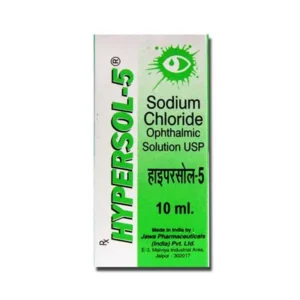
Hypersol Eye Drop (Sodium Chloride)
A$19.86 A$68.59Price range: A$19.86 through A$68.59
A$1.44 A$8.66Price range: A$1.44 through A$8.66
In Stock
In Stock
Peptilcer Iv (Pantoprazole)
| Pack Size | Price | Quantity | Add To Cart | |
|---|---|---|---|---|
| 1 Injection | A$1.44 | |||
| 3 Injection/s | A$4.33 | |||
| 6 Injection/s | A$8.66 | |||
| Want to order in bulk / B2B price? Send Inquiry | ||||
×
Sorry!! Out of Stock
Sorry! Peptilcer Iv (Pantoprazole) is out of stock
Please click below to view other similar medications.
View All Pantoprazole Products

Offer You Can't Resist
Free Shipping
Enjoy Free Shipping on Orders above AUD304 (USD199)
Estimate Shipping :
06 September - 13 September
47
Trusted Service
Good experience overall. The team was responsive, the ordering process was simple, and I received clear information about my shipment. Professional service and good customer support.
 Australia
August 16, 2026
Last Updated on May 13, 2026

Description
Introduction
Peptilcer IV is an intravenous version that contains Pantoprazole, the medication that is frequently used to treat digestive issues caused by stomach acid. It is part of a group of medicines that are known as proton pump inhibitors (PPIs). Though pantoprazole can be taken orally, the IV version (intravenous) is used in clinical settings for those who are unable to take the medication via mouth or need quicker relief from the discomfort.
In this post, we’ll discuss the details of Peptilcer IV, how it functions, its medicinal uses and dosage guidelines, as well as possible negative effects, safety precautions, and commonly requested concerns. The information will help people and their families better comprehend the medicine and how it can be used to treat specific gastrointestinal issues.
What is Peptilcer IV (Pantoprazole)?
Peptilcer IV contains Pantoprazole sodium sesquihydrate as an active ingredient. It is delivered via an injection. It is used primarily in healthcare and hospitals to treat ailments caused by excessive stomach acid.
Pantoprazole functions by stopping the proton pump within the stomach lining that is responsible to secrete gastric acid. Blocking this process, it decreases the amount of acid produced and gives relief from stomach acid, heartburn, and irritation to the stomach.
Medical Uses of Peptilcer IV
Peptilcer IV can be used for many clinical settings that include:
- Gastroesophageal Reflux Disease (GERD)
GERD is a condition that can be chronic, which causes stomach acid to flow back into the esophagus, creating inflammation and heartburn. Peptilcer IV may help to control acid release and help promote healing of the esophagus.
- Erosive Esophagitis
This type of condition can cause inflammation as well as damage to the esophagus caused by excess acid. Pantoprazole assists in healing the lining of the stomach and helps prevent harm to the esophagus.
- Zollinger-Ellison Syndrome
A rare disorder in which tumors within the pancreas or duodenum result in an overproduction of gastric acid. Peptilcer IV can be employed to control this problem successfully by limiting acid release.
- Stress Ulcer Prophylaxis in Critically Ill Patients
Patients who are critically ill, particularly patients who are on mechanical ventilation or who experience significant stress in their bodies, are more at risk of getting gastric ulcers. Peptilcer IV can be utilized to avoid this type of complication.
- Peptic Ulcer Disease
Although it is less frequently used for IV pantoprazole, unless there is an emergency or other complications such as bleeding It is sometimes used for situations when oral administration is not an option.
Dosage and Administration
Peptilcer IV injections are administered by a health expert, often by infusion or a slowly administered injector or an infusion.
Common Dosage Guidelines:
- GERD/Erosive Esophagitis: 40 mg once a day by IV over 7-10 days until the patient switches to an oral drug.
- Zollinger-Ellison Syndrome: A starting dose of 80 mg daily can be increased according to acid production and the clinical reaction.
- Stress Ulcer Prophylaxis: The usual dose is 40 mg daily for high-risk patients.
Note: Dosages can vary depending on the specific needs of each patient, as well as age, renal/hepatic functioning, and the severity of illness. The medication must be given under the direction of a physician.
Side Effects of Peptilcer IV
Although Peptilcer IV is typically accepted by patients, there are some who might experience adverse reactions. They can be mild to severe.
Common Side Effects:
- Headache
- Nausea or vomiting
- Diarrhea or constipation
- Abdominal pain
- Dizziness
- Injection site reactions (redness, swelling, pain)
Serious (but rare) Side Effects:
- Severe allergic reactions (anaphylaxis)
- Low magnesium levels (leading to muscle cramps, arrhythmia)
- Kidney problems (interstitial nephritis)
- Clostridium difficile-associated diarrhea
- Bone fractures can occur with prolonged use
If severe signs or reactions to allergens occur Medical attention should be sought right away.
Precautions and Warnings
Before getting Peptilcer IV, patients should be sure to inform their doctor of any existing conditions or medications they take. A few of the most important safety measures include:
- Allergies
People who are allergic to pantoprazole and other PPIs shouldn’t take this medicine.
- Liver Disease
Adjustments to dosages may be required in patients who suffer from liver disease.
- Pregnancy and Breastfeeding
Pantoprazole is categorized as a Category B during pregnancy. The drug should be used only in situations where it is absolutely needed. It could be absorbed through breast milk, and it is recommended to be cautious during lactation.
- Vitamin and Mineral Deficiencies
In the long run, prolonged usage can alter the absorption of vitamins such as B12 as well as minerals such as calcium and magnesium.
- Drug Interactions
Pantoprazole could interact with some drugs, for example:
- Warfarin (increased risk of bleeding)
- Methotrexate (delayed clearance)
- Antifungal agents (reduced absorption)
- HIV medications (reduced efficacy)
Frequently Asked Questions (FAQs)
Q1: Is Peptilcer IV stronger than oral pantoprazole?
Not necessarily. Its effectiveness is comparable; however, Peptilcer IV acts faster since it’s injected directly into the bloodstream. It’s typically reserved for situations in which oral administration isn’t an option or a rapid response is needed.
Q2: How long does it take for Peptilcer IV to work?
The body begins to reduce acid production within an hour after taking it. Relief from symptoms can begin in several hours, based on the problem being addressed.
Q3: Can Peptilcer IV be used for long-term treatment?
No, it is typically employed as a temporary treatment within hospitals. After the patient has stabilized, it is usually transferred to oral therapy for the purpose of maintenance.
Q4: Is Peptilcer IV safe for children?
Pantoprazole can be used for pediatric patients. However, the IV formulation isn’t frequently used for children. It is important to adjust the dosage and approved by a pediatric physician.
Q5: What should I do if I miss a dose?
Because the medication is given by healthcare professionals working in the hospital environment, missed doses are very rare. In the event that it happens, then the next dose must be scheduled with the treating doctor.
Conclusion
Peptilcer IV (Pantoprazole) is a trusted and efficient intravenous drug to treat a range of stomach-related acidic conditions. The ability of this medication to quickly reduce gastric acid makes it particularly helpful for hospitalized patients who are unable to take oral medications or who require urgent relief.
Though generally well-liked, it is best to use it under the strict supervision of a physician because of the potential for adverse effects as well as interactions with other drugs. If you suffer from conditions like GERD or erosive esophagitis, or Zollinger-Ellison syndrome, Peptilcer IV offers a reliable treatment plan until you’re able to move on to longer-term oral therapy.
Always seek advice from a healthcare specialist before taking or stopping any medicine or treatment, and be sure not to mention any unusual signs when you are receiving medication.
Additional Information
| Manufacturer | Zydus Cadila Pharma |
|---|---|
| Pharmaceutical | Injection |
| Strength | 40mg |
| Pack Size | 1 Injection , 3 Injection/s , 6 Injection/s |
Related products





Reviews
There are no reviews yet.