
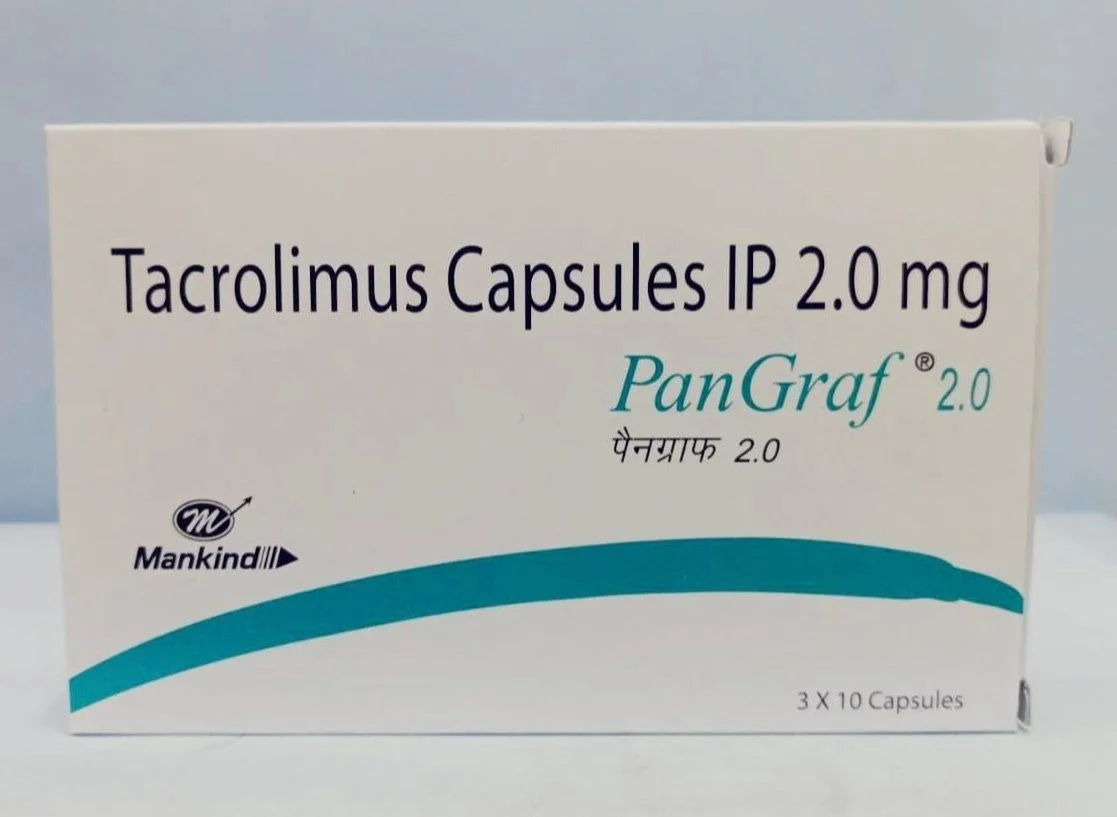
Pangraf 2mg (Tacrolimus)
Previous product
Palido-OD 6mg (Paliperidone)
A$57.40 A$182.00Price range: A$57.40 through A$182.00
Next product
Papaverine 30mg
A$35.00 A$105.00Price range: A$35.00 through A$105.00
A$126.00 A$287.00Price range: A$126.00 through A$287.00
In Stock
In Stock
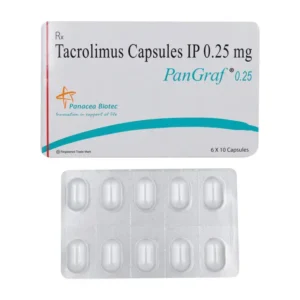
Pangraf 2mg (Tacrolimus)
| Pack Size | Price | Quantity | Add To Cart | |
|---|---|---|---|---|
| 30 Capsule/s | A$126.00 | |||
| 60 Capsule/s | A$217.00 | |||
| 90 Capsule/s | A$287.00 | |||
| Want to order in bulk / B2B price? Send Inquiry | ||||
×
Sorry!! Out of Stock
Sorry! Pangraf 2mg (Tacrolimus) is out of stock
Please click below to view other similar medications.
View All Tacrolimus Products

Offer You Can't Resist
Free Shipping
Enjoy Free Shipping on Orders above AUD304 (USD199)
Estimate Shipping :
16 June - 23 June
21
Excellent service
Excellent service! My order was processed quickly and delivered on time. The medicines were well-packaged and exactly as described. Highly recommended.
 Australia
May 26, 2026
Last Updated on May 12, 2026

Description
Pangraf 2mg contains the active ingredient Tacrolimus, an immunosuppressive medicine primarily prescribed for patients who have undergone organ transplantation such as kidney, liver, or heart transplants. It works by suppressing the body’s immune response, helping prevent rejection of the transplanted organ. By controlling immune activity, Pangraf 2mg helps improve the long-term success of organ transplantation and supports overall organ health.
What is Pangraf 2mg (Tacrolimus)?
Pangraf 2mg is a prescription medicine that belongs to a group of drugs called calcineurin inhibitors. The active ingredient, Tacrolimus, helps reduce the activity of the immune system, preventing it from attacking transplanted organs.
The medicine is mainly used after organ transplantation to lower the risk of organ rejection. In some cases, Tacrolimus may also be used in autoimmune disorders where the immune system attacks the body’s own tissues.
Tacrolimus is available in oral capsules like Pangraf 2mg and injectable forms used in hospitals.
How Does Pangraf 2mg Work?
Tacrolimus works by blocking the action of calcineurin, an enzyme responsible for activating T-cells. T-cells are white blood cells that play a major role in the immune response.
After an organ transplant, the immune system may recognize the new organ as foreign and attempt to attack it. Tacrolimus suppresses this immune reaction by reducing T-cell activation, thereby preventing organ rejection.
This immunosuppressive action is essential for maintaining the health and function of transplanted organs.
Uses of Pangraf 2mg (Tacrolimus)
1. Organ Transplantation
Pangraf 2mg is mainly prescribed after kidney, liver, or heart transplantation to prevent the body from rejecting the transplanted organ.
2. Autoimmune Disorders
In certain autoimmune conditions such as rheumatoid arthritis or lupus, Tacrolimus may be used to suppress overactive immune responses.
3. Skin Disorders
Tacrolimus is sometimes used in topical forms to manage inflammatory skin conditions like eczema and dermatitis.
Dosage and Administration
The dosage of Pangraf 2mg depends on the patient’s body weight, medical condition, transplant type, and response to treatment.
- It is usually taken orally once or twice daily.
- The medicine may be taken with or without food.
- It should be taken at the same time every day for consistent blood levels.
- Swallow the capsule whole with water.
Regular blood tests are required to monitor Tacrolimus levels and ensure safe and effective treatment.
Benefits of Pangraf 2mg
Prevents Organ Rejection
Tacrolimus effectively reduces the risk of the immune system attacking transplanted organs.
Improves Transplant Success
It increases the survival and function of transplanted organs over the long term.
Controls Autoimmune Reactions
The medicine helps reduce inflammation and immune-related tissue damage.
Supports Better Quality of Life
By protecting transplanted organs, Pangraf 2mg allows patients to maintain better overall health and daily functioning.
Possible Side Effects of Pangraf 2mg
Like all medications, Pangraf 2mg may cause side effects. Some common side effects include:
- Headache
- Nausea or vomiting
- Diarrhea
- Abdominal discomfort
- Tremors or shaking
- High blood pressure
- Increased risk of infections
- Dizziness
Serious Side Effects
Though uncommon, serious side effects may occur, including:
- Kidney problems
- Liver toxicity
- Irregular heartbeat
- Seizures
- Severe allergic reactions
Seek immediate medical attention if you experience breathing difficulty, chest pain, swelling, or severe weakness.
Precautions and Warnings
Before using Pangraf 2mg, inform your doctor if you have:
- Kidney disease
- Liver problems
- Heart conditions
- Diabetes
- High blood pressure
- Any allergies to Tacrolimus
Important Precautions
- Avoid grapefruit and grapefruit juice, as they may increase Tacrolimus levels in the blood.
- Avoid contact with people who have infections because your immune system will be weaker.
- Regular monitoring through blood tests is necessary.
- Do not stop the medicine suddenly without medical advice.
Drug Interactions
Pangraf 2mg may interact with several medications, including:
- Antibiotics
- Antifungal medicines
- Antiviral drugs
- Blood pressure medicines
- Herbal supplements
Always inform your doctor about all medicines and supplements you are taking.
Pregnancy and Breastfeeding
Tacrolimus should only be used during pregnancy or breastfeeding if clearly recommended by a healthcare provider. Discuss the benefits and risks with your doctor.
Lifestyle Tips While Taking Pangraf 2mg
- Maintain good hygiene to reduce infection risk.
- Eat a healthy, balanced diet.
- Stay hydrated.
- Avoid alcohol and smoking.
- Protect yourself from excessive sun exposure.
- Follow all medical appointments and blood test schedules.
When to Contact Your Doctor
Seek medical advice immediately if you notice:
- Fever or signs of infection
- Severe headache
- Reduced urination
- Swelling in the legs or face
- Unusual bleeding
- Severe abdominal pain
- Vision changes
Conclusion
Pangraf 2mg (Tacrolimus) is an important immunosuppressive medication widely used after organ transplantation to prevent organ rejection. By controlling immune activity, it helps improve transplant success and maintain organ health.
Although highly effective, Pangraf 2mg requires careful medical supervision because of potential side effects and drug interactions. Regular monitoring, proper dosage, and following your doctor’s instructions are essential for safe and successful treatment.
Frequently Asked Questions (FAQs)
1. Can I stop taking Pangraf 2mg if I feel better?
No. Stopping the medicine suddenly may lead to organ rejection. Always consult your doctor before making any changes.
2. How long do I need to take Pangraf 2mg after transplantation?
Some patients may need lifelong treatment, while others may require dose adjustments over time depending on their condition.
3. Can I take Pangraf 2mg with food?
Yes, it can be taken with or without food. However, try to take it consistently the same way every day.
4. What should I do if I miss a dose?
Take the missed dose as soon as you remember. If it is almost time for the next dose, skip the missed dose. Do not double the dose.
5. Are there foods I should avoid while taking Pangraf 2mg?
Yes. Avoid grapefruit and grapefruit juice because they can increase Tacrolimus levels and raise the risk of side effects.
Additional Information
| Active Ingredient: | Tacrolimus |
|---|---|
| Indication: | Prevention of organ rejection in transplant patients |
| Manufacturer: | Panacea Biotech Ltd. |
| Packaging: | 10 Capsules in 1 Strip |
| Strength: | 2mg |
| Delivery Time: | 7 To 15 days |
Related products




Recently Viewed

Reviews
There are no reviews yet.