Introduction
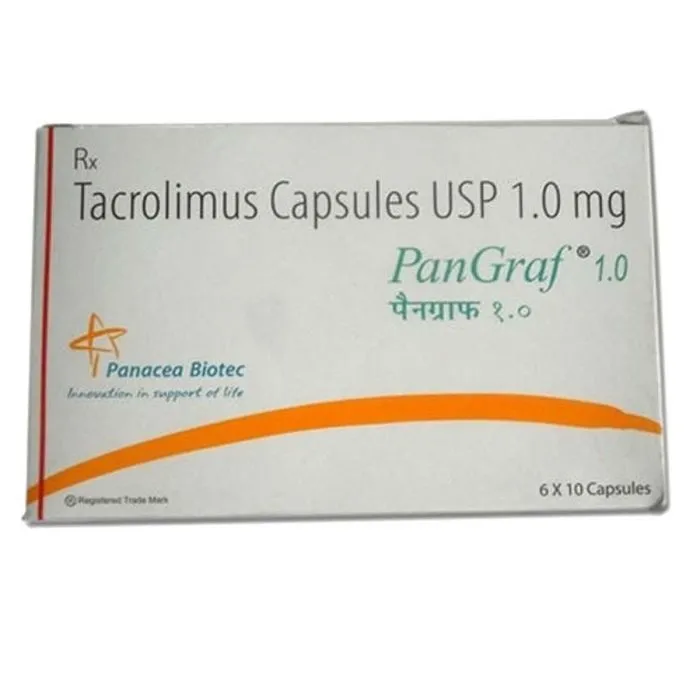
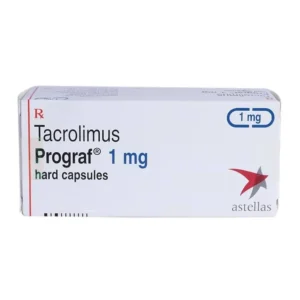
Pangraf 1mg contains the active ingredient tacrolimus, an immunosuppressant medication primarily used to prevent organ rejection after organ transplantation. It works by weakening the body’s immune response, helping the transplanted organ function properly.
Pangraf 1mg is commonly prescribed after kidney, liver, or heart transplants and may also be used in certain autoimmune conditions under medical supervision.
This article explains the uses, benefits, dosage, side effects, precautions, and frequently asked questions about Pangraf 1mg.
What is Pangraf 1mg?
Pangraf 1mg is a prescription medicine that contains tacrolimus, a calcineurin inhibitor that suppresses immune system activity. After an organ transplant, the immune system may identify the new organ as foreign and attempt to attack it. Tacrolimus helps prevent this immune reaction.
The medicine is available in capsule form and is usually prescribed as part of combination therapy with other immunosuppressive medications.
Common Uses of Pangraf 1mg
1. Prevention of Organ Rejection
The primary use of Pangraf 1mg is to prevent rejection after:
- Kidney transplant
- Liver transplant
- Heart transplant
It helps the body accept the transplanted organ and reduces the risk of complications.
2. Treatment of Autoimmune Disorders
In some cases, tacrolimus may be prescribed for autoimmune conditions where the immune system attacks healthy tissues.
3. Nephrotic Syndrome
Some doctors may use tacrolimus in difficult-to-treat cases of nephrotic syndrome, especially when other medications are ineffective.
How Does Pangraf 1mg Work?
Tacrolimus works by blocking calcineurin, a protein involved in activating T-cells within the immune system.
By reducing T-cell activity, the medication decreases the immune response and prevents the body from attacking transplanted organs.
This immunosuppressive action helps maintain the function and survival of transplanted organs.
Dosage and Administration
The dosage of Pangraf 1mg varies depending on:
- Type of transplant
- Body weight
- Medical condition
- Blood test results
- Response to treatment
The medicine is usually taken twice daily at the same time each day.
Important Instructions
- Take the capsule exactly as prescribed
- Swallow the capsule whole with water
- Take it consistently with or without food
- Avoid suddenly stopping the medicine
- Regular blood tests are necessary during treatment
Because tacrolimus levels must remain stable, doctors frequently monitor blood concentrations and adjust the dosage accordingly.
Benefits of Pangraf 1mg
1. Prevents Organ Rejection
The major benefit of Pangraf is its effectiveness in preventing rejection of transplanted organs.
2. Improves Transplant Survival
Tacrolimus significantly improves long-term transplant success and organ function.
3. Better Immune Control
It provides targeted suppression of the immune system while allowing many normal body functions to continue.
4. Useful in Resistant Autoimmune Conditions
Tacrolimus may help patients who do not respond adequately to standard therapies.
Potential Side Effects
Like all medications, Pangraf 1mg may cause side effects.
Common Side Effects
1. Tremors
Mild shaking of the hands is a common side effect.
2. Headache
Some patients may experience headaches during treatment.
3. High Blood Pressure
Tacrolimus can increase blood pressure in some individuals.
4. Increased Blood Sugar
The medicine may raise blood glucose levels and increase the risk of diabetes.
5. Nausea or Diarrhea
Digestive symptoms such as nausea, vomiting, or diarrhea may occur.
6. Kidney Problems
Tacrolimus may affect kidney function, especially at higher doses.
Serious Side Effects
Seek immediate medical attention if you experience:
- Fever or signs of infection
- Difficulty breathing
- Severe swelling
- Chest pain
- Reduced urine output
- Severe weakness
- Vision changes
Because the immune system is suppressed, patients may become more vulnerable to infections.
Drug Interactions
Tacrolimus may interact with several medications, including:
- Ketoconazole
- Erythromycin
- Cyclosporine
- Certain blood pressure medicines
- Grapefruit and grapefruit juice
These interactions may increase or decrease tacrolimus levels in the body.
Always inform your doctor about all medications, supplements, and herbal products you use.
Precautions and Warnings
1. Regular Monitoring
Patients require frequent monitoring of:
- Kidney function
- Liver function
- Blood pressure
- Blood sugar
- Tacrolimus blood levels
2. Infection Risk
Because the immune system is weakened, avoid close contact with people who have infections.
3. Sun Exposure
Tacrolimus may increase the risk of skin cancer. Use sunscreen and protective clothing when outdoors.
4. Pregnancy and Breastfeeding
Consult your doctor before using Pangraf during pregnancy or breastfeeding.
Conclusion
Pangraf 1mg is an important immunosuppressive medication widely used to prevent organ rejection after transplantation. By controlling the immune response, it helps improve transplant success and organ survival.
Although highly effective, the medicine requires careful monitoring because of its potential side effects and drug interactions. Patients should follow their doctor’s instructions carefully and attend regular follow-up appointments to ensure safe and effective treatment.
Frequently Asked Questions (FAQs)
1. What is Pangraf 1mg used for?
Pangraf 1mg is mainly used to prevent organ rejection after kidney, liver, or heart transplantation.
2. Can I stop taking Pangraf suddenly?
No. Stopping the medication suddenly may increase the risk of organ rejection. Always consult your doctor before making any changes.
3. Why are regular blood tests required?
Blood tests help monitor tacrolimus levels and ensure the medicine remains effective without causing toxicity.
4. Can Pangraf affect kidney function?
Yes, tacrolimus may affect kidney function, especially with long-term use or high doses.
5. Can I drink grapefruit juice while taking Pangraf?
No. Grapefruit juice may interfere with tacrolimus metabolism and increase drug levels in the body.
6. Is Pangraf safe during pregnancy?
Pangraf should only be used during pregnancy if clearly needed and prescribed by a healthcare professional.













Reviews
There are no reviews yet.