
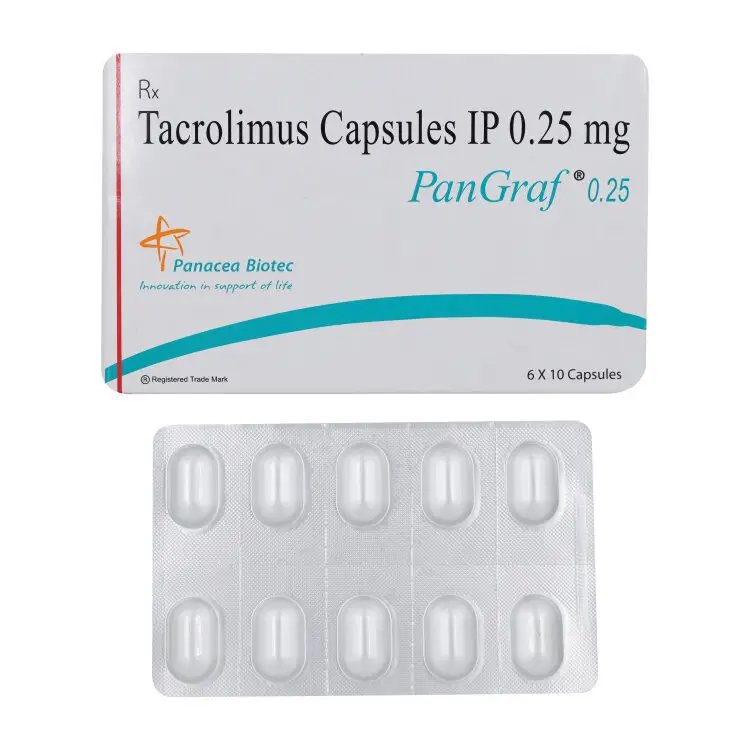
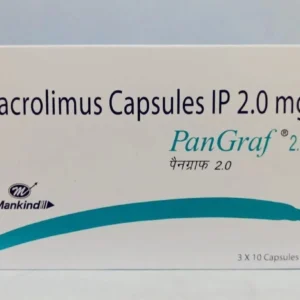
Pangraf 0.25mg (Tacrolimus)
Previous product

Loceryl Cream (Amorolfine)
A$12.60 A$67.20Price range: A$12.60 through A$67.20
Next product
Pangraf 1mg (Tacrolimus)
A$63.00 A$182.00Price range: A$63.00 through A$182.00
A$25.20 A$68.60Price range: A$25.20 through A$68.60
In Stock
In Stock
Pangraf 0.25mg (Tacrolimus)
| Pack Size | Price | Quantity | Add To Cart | |
|---|---|---|---|---|
| 30 Capsule/s | A$25.20 | |||
| 60 Capsule/s | A$49.00 | |||
| 90 Capsule/s | A$68.60 | |||
| Want to order in bulk / B2B price? Send Inquiry | ||||
×
Sorry!! Out of Stock
Sorry! Pangraf 0.25mg (Tacrolimus) is out of stock
Please click below to view other similar medications.
View All Tacrolimus Products

Offer You Can't Resist
Free Shipping
Enjoy Free Shipping on Orders above AUD304 (USD199)
Estimate Shipping :
25 June - 02 July
45
Last Updated on May 11, 2026

Description
Introduction
Pangraf 0.25mg contains tacrolimus, an immunosuppressant medication primarily used to prevent organ rejection after organ transplantation. It works by suppressing the immune system so the body does not attack the transplanted organ.
Pangraf 0.25mg is usually prescribed for patients who require lower doses of tacrolimus or need precise dose adjustments during treatment. It is commonly used after kidney, liver, or heart transplants and may also be prescribed for certain autoimmune disorders under specialist supervision.
This article explains the uses, benefits, dosage, side effects, precautions, and frequently asked questions about Pangraf 0.25mg.
What is Pangraf 0.25mg?
Pangraf 0.25mg is a prescription capsule containing tacrolimus, a calcineurin inhibitor that helps suppress immune system activity.
After an organ transplant, the body’s immune system may recognize the new organ as foreign and attempt to reject it. Tacrolimus helps prevent this reaction by reducing immune activity.
The 0.25mg strength is often used:
- For gradual dose adjustments
- In patients sensitive to higher doses
- During maintenance therapy
- In combination with other tacrolimus strengths
Common Uses of Pangraf 0.25mg
1. Prevention of Organ Rejection
Pangraf 0.25mg is mainly used after:
- Kidney transplantation
- Liver transplantation
- Heart transplantation
It helps improve transplant success and maintain proper organ function.
2. Dose Adjustment Therapy
The low-dose strength allows doctors to precisely adjust tacrolimus dosage according to blood test results and patient response.
3. Autoimmune Disorders
In some cases, tacrolimus may be prescribed for autoimmune conditions where the immune system attacks healthy tissues.
4. Nephrotic Syndrome
Tacrolimus may sometimes be used in resistant cases of nephrotic syndrome when standard treatments are ineffective.
How Does Pangraf 0.25mg Work?
Tacrolimus works by blocking calcineurin, a protein involved in activating immune cells known as T-cells.
By suppressing T-cell activity, the medication weakens the immune response and helps prevent rejection of transplanted organs.
This action allows the transplanted organ to function properly without being attacked by the body’s immune system.
Dosage and Administration
The dosage of Pangraf 0.25mg depends on:
- Type of transplant
- Body weight
- Blood tacrolimus levels
- Overall health condition
- Response to treatment
The medicine is usually taken twice daily at evenly spaced intervals.
Important Instructions
- Take the capsule exactly as prescribed
- Swallow the capsule whole with water
- Take it consistently with or without food
- Do not crush or chew the capsule
- Avoid missing doses
- Do not stop treatment suddenly
Regular blood monitoring is necessary to maintain safe and effective tacrolimus levels.
Benefits of Pangraf 0.25mg
1. Prevents Organ Rejection
Tacrolimus effectively reduces the risk of transplant rejection.
2. Precise Dose Management
The 0.25mg strength allows accurate dose adjustments for better treatment control.
3. Improves Long-Term Transplant Success
Consistent use helps improve organ survival and overall transplant outcomes.
4. Effective Immune Suppression
The medication targets specific immune pathways responsible for rejection.
Potential Side Effects
Like all medicines, Pangraf 0.25mg may cause side effects.
Common Side Effects
1. Tremors
Shaking of the hands may occur during treatment.
2. Headache
Some patients may experience mild to moderate headaches.
3. Increased Blood Pressure
Tacrolimus may raise blood pressure levels.
4. Elevated Blood Sugar
Long-term use may increase blood glucose levels.
5. Nausea or Diarrhea
Digestive discomfort can occur in some patients.
6. Kidney Function Changes
Tacrolimus may affect kidney function, particularly with higher doses or prolonged use.
Serious Side Effects
Seek medical attention immediately if you experience:
- Fever or signs of infection
- Difficulty breathing
- Chest pain
- Severe swelling
- Reduced urine output
- Vision problems
- Severe weakness or confusion
Because the immune system is suppressed, infections may occur more easily.
Drug Interactions
Tacrolimus may interact with several medications and foods, including:
- Ketoconazole
- Erythromycin
- Cyclosporine
- Certain blood pressure medicines
- Grapefruit and grapefruit juice
These interactions may affect tacrolimus levels in the blood.
Always inform your doctor about all medicines, vitamins, and herbal supplements you use.
Precautions and Warnings
1. Regular Monitoring
Routine monitoring may include:
- Kidney function tests
- Liver function tests
- Blood pressure checks
- Blood sugar monitoring
- Tacrolimus blood level testing
2. Increased Infection Risk
Avoid close contact with individuals who have contagious infections.
3. Sun Protection
Tacrolimus may increase sensitivity to sunlight and the risk of skin cancer. Use sunscreen and protective clothing outdoors.
4. Pregnancy and Breastfeeding
Consult your doctor before using Pangraf during pregnancy or breastfeeding.
Conclusion
Pangraf 0.25mg is an important immunosuppressant medication used to prevent organ rejection after transplantation. The low-dose 0.25mg formulation is especially useful for careful dose adjustments and long-term treatment management.
While highly effective, the medicine requires regular monitoring because of possible side effects and drug interactions. Patients should always follow medical advice carefully and attend regular follow-up appointments for safe and successful treatment.
Frequently Asked Questions (FAQs)
1. What is Pangraf 0.25mg used for?
It is mainly used to prevent organ rejection after kidney, liver, or heart transplantation.
2. Why is the 0.25mg strength prescribed?
The lower strength allows doctors to make precise dosage adjustments based on blood test results and patient response.
3. Can I stop taking Pangraf suddenly?
No. Suddenly stopping the medicine may increase the risk of organ rejection.
4. Why are blood tests necessary during treatment?
Blood tests help ensure tacrolimus levels remain within a safe and effective range.
5. Can Pangraf affect kidney function?
Yes, tacrolimus may affect kidney function, especially with long-term use.
6. Can I consume grapefruit while taking Pangraf?
No. Grapefruit may interfere with tacrolimus metabolism and increase drug levels in the body.
Additional Information
| Manufacturer | Panacea Biotech Ltd |
|---|---|
| Pharmaceutical | Capsules |
| Strength | 0.25 mg |
| Pack Size | 30 Capsules, 60 Capsules, 90 Capsules |
Related products


Recently Viewed


Reviews
There are no reviews yet.