Introduction
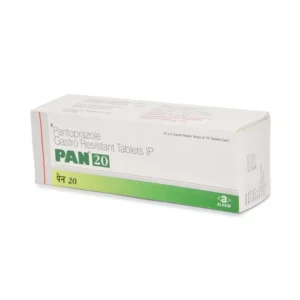
Pan 40mg contains pantoprazole, a widely prescribed medication used to treat conditions affecting the stomach and esophagus. It belongs to a class of medicines known as proton pump inhibitors (PPIs), which work by reducing the amount of acid produced in the stomach.
By lowering stomach acid levels, pantoprazole helps relieve symptoms such as heartburn, acid reflux, and stomach pain while also promoting healing of ulcers and inflammation in the digestive tract.
This guide explains the uses, benefits, dosage, side effects, precautions, and frequently asked questions about Pan 40mg.
What is Pan 40mg?
Pantoprazole is a proton pump inhibitor used to treat acid-related digestive disorders.
It works by blocking proton pumps in the stomach lining, which are responsible for producing gastric acid. Reducing acid production helps protect the stomach and esophagus from acid damage.
Pan 40mg is commonly prescribed for:
- Acid reflux
- Gastroesophageal reflux disease (GERD)
- Peptic ulcers
- Zollinger-Ellison syndrome
- Helicobacter pylori infection treatment
How Does Pan 40mg Work?
Pantoprazole blocks the action of proton pumps located in the stomach lining.
These proton pumps produce stomach acid. By reducing acid secretion, pantoprazole:
- Relieves heartburn and acid reflux
- Allows ulcers to heal
- Reduces irritation in the esophagus
- Prevents acid-related digestive damage
The medication usually begins working within a few hours, while full symptom relief may take a few days of regular use.
Common Uses of Pan 40mg
1. Gastroesophageal Reflux Disease (GERD)
GERD occurs when stomach acid repeatedly flows back into the esophagus, causing:
- Heartburn
- Chest discomfort
- Acid regurgitation
- Esophageal irritation
Pantoprazole helps reduce acid production and relieve symptoms.
2. Peptic Ulcers
Peptic ulcers are sores that develop in the stomach or upper intestine due to excess acid or infection.
Pantoprazole helps ulcers heal by reducing stomach acidity.
3. Zollinger-Ellison Syndrome
This rare condition causes excessive stomach acid production. Pantoprazole helps control acid levels and reduce complications.
4. Helicobacter pylori Eradication
Pantoprazole may be used along with antibiotics to treat H. pylori infections that contribute to stomach ulcers.
5. Prevention of NSAID-Induced Ulcers
Pantoprazole may help protect the stomach lining in patients taking long-term NSAID medications such as ibuprofen or aspirin.
Dosage and Administration
The usual dosage of Pan 40mg depends on the condition being treated.
General Dosage Guidelines
For GERD
- Usually 40mg once daily for 4 to 8 weeks
For Peptic Ulcers
For Zollinger-Ellison Syndrome
- Higher doses may be required under medical supervision
Important Instructions
- Take the tablet before meals, preferably in the morning
- Swallow the tablet whole with water
- Do not crush or chew the tablet
- Take the medicine regularly for best results
Benefits of Pan 40mg
1. Effective Acid Control
Pantoprazole effectively reduces stomach acid production.
2. Relief from Heartburn and Acid Reflux
It helps reduce discomfort associated with GERD and acid reflux.
3. Promotes Ulcer Healing
Reducing stomach acid allows ulcers and inflammation to heal more effectively.
4. Long-Lasting Action
The medicine provides acid suppression for up to 24 hours.
Potential Side Effects
Like all medicines, Pan 40mg may cause side effects.
Common Side Effects
1. Headache
Mild headaches may occur during treatment.
2. Nausea
Some patients may experience stomach discomfort or nausea.
3. Diarrhea or Constipation
Digestive changes are possible during treatment.
4. Abdominal Pain
Mild stomach pain or bloating may occur.
5. Dizziness
Some individuals may feel lightheaded.
Serious Side Effects
Seek immediate medical attention if you experience:
- Severe allergic reactions
- Persistent diarrhea
- Severe abdominal pain
- Blood in stool or vomit
- Muscle cramps or weakness
- Unexplained fatigue
Long-Term Use Considerations
Long-term use of proton pump inhibitors may increase the risk of:
Regular medical monitoring may be required during prolonged treatment.
Drug Interactions
Pantoprazole may interact with certain medications, including:
Always inform your doctor about all medicines and supplements you are taking.
Lifestyle Tips for Better Results
1. Avoid Trigger Foods
Limit foods that may worsen acid reflux, such as:
- Spicy foods
- Caffeine
- Alcohol
- Chocolate
- Fried foods
2. Eat Smaller Meals
Large meals may increase stomach pressure and worsen reflux.
3. Maintain a Healthy Weight
Excess weight may contribute to acid reflux symptoms.
4. Avoid Smoking
Smoking may irritate the digestive tract and worsen GERD symptoms.
Conclusion
Pan 40mg is an effective medication for managing acid-related digestive conditions such as GERD, peptic ulcers, and Zollinger-Ellison syndrome.
By reducing stomach acid production, pantoprazole helps relieve symptoms, protect the digestive tract, and promote healing. Patients should use the medication exactly as prescribed and consult their healthcare provider regarding long-term treatment and possible side effects.
Frequently Asked Questions (FAQs)
1. How long does Pan 40mg take to work?
Pantoprazole usually begins working within a few hours, but full symptom relief may take several days.
2. Can I take Pan 40mg with food?
Yes, but it is generally recommended to take it before meals for better effectiveness.
3. Is Pan 40mg safe for long-term use?
Long-term use should only occur under medical supervision because prolonged treatment may increase certain health risks.
4. Can I stop taking pantoprazole suddenly?
Consult your doctor before stopping treatment, especially after long-term use.
5. Can alcohol be consumed while taking Pan 40mg?
Alcohol may worsen acid reflux and stomach irritation, so limiting alcohol intake is recommended.
6. Can Pan 40mg cause weight gain?
Weight gain is not a common side effect, but any unusual weight changes should be discussed with a doctor.








Reviews
There are no reviews yet.