
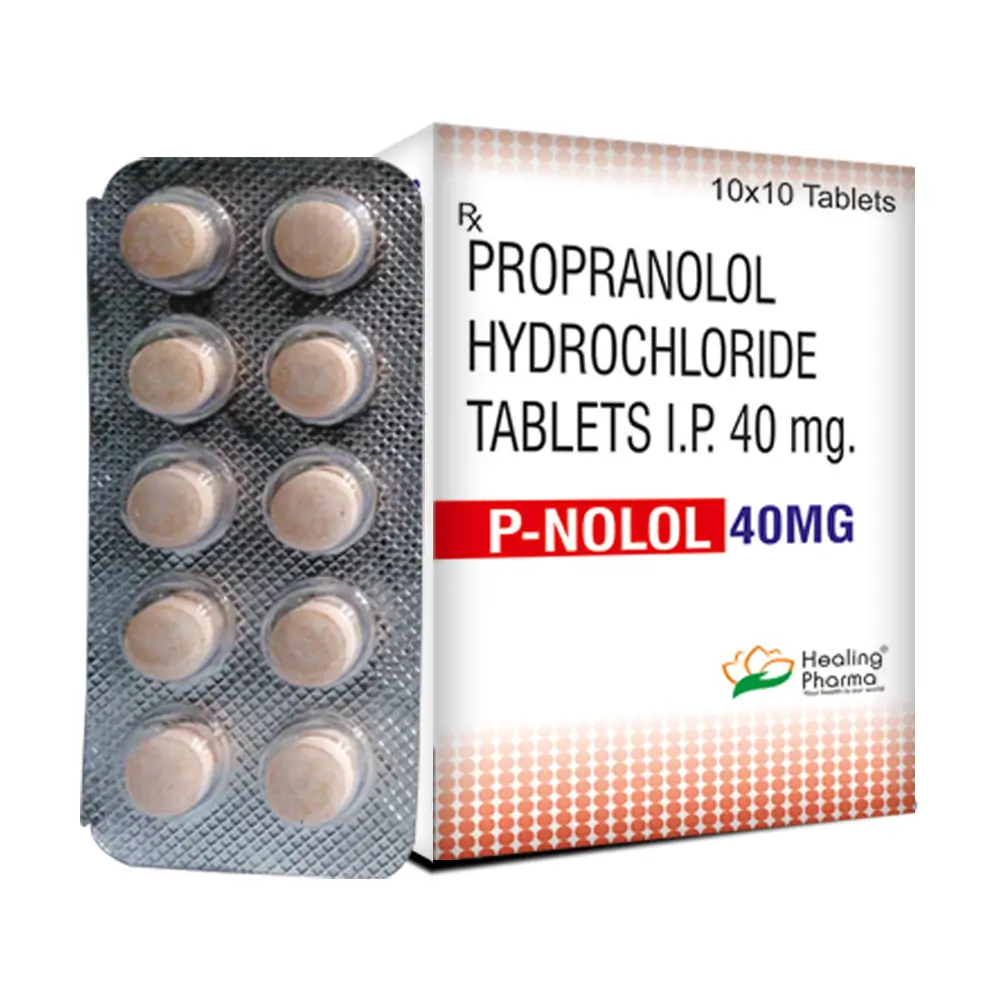
P-Nolol 40mg (Propranolol Hydrochloride)
Previous product
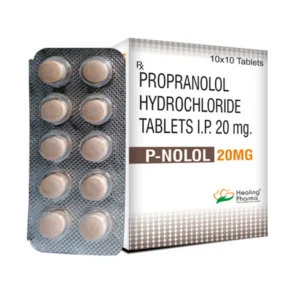
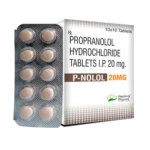
P-Nolol 20mg (Propranolol Hydrochloride)
$17.00 $50.00Price range: $17.00 through $50.00
Next product
Palido-OD 3mg (Paliperidone)
$29.00 $99.00Price range: $29.00 through $99.00
$20.00 $60.00Price range: $20.00 through $60.00
In Stock
In Stock
P-Nolol 40mg (Propranolol Hydrochloride)
| Pack Size | Price | Quantity | Add To Cart | |
|---|---|---|---|---|
| 100 Tablet/s | $20.00 | |||
| 200 Tablet/s | $35.00 | |||
| 400 Tablet/s | $60.00 | |||
| Want to order in bulk / B2B price? Send Inquiry | ||||
×
Sorry!! Out of Stock
Sorry! P-Nolol 40mg (Propranolol Hydrochloride) is out of stock
Please click below to view other similar medications.
View All Propranolol Hydrochloride Products
Offer You Can't Resist
Free Shipping
Enjoy Free Shipping on Orders above AUD304 (USD199)
Estimate Delivery :
20 September - 27 September
41
Great customer service
Armod 150 Mg product is the best. As well as modalertaustralia.com is a reliable store and this store provides high quality and fast delivery.
 Australia
February 19, 2025
Response from Modalertaustralia
Thanks for the amazing feedback! Glad you’re happy with Armod 150 Mg and our fast, reliable service. We appreciate your support!
Last Updated on May 13, 2026

Description
P-Nolol 40mg (Propranolol Hydrochloride): An In-Depth Overview
Propranolol is a widely prescribed medication that is primarily utilized for the treatment of conditions affecting the cardiovascular system, like hypertension (high blood pressure), arrhythmias (irregular heartbeats), and angina (chest discomfort). Additionally, it is utilized to treat anxiety, seizures, and other off-label ailments. P-Nolol 40mg, which is a distinct version of propranolol hydrochloride, is usually prescribed to patients who suffer from a variety of health problems that affect the heart and circulatory system. In this post, we’ll look at the nature of P-Nolol 40mg, what it is, how it operates, and its benefits and dosage guidelines, as well as side effects, warnings, and a lot more.
What is P-Nolol 40mg (Propranolol Hydrochloride)?
P-Nolol is one of the brands of propranolol, which is a beta-blocker that is not selective. Beta-blockers are drugs that block the actions of specific chemicals that are present in our bodies, including adrenaline, in beta-receptors of the blood vessels and heart. They help in reducing heart rate, lowering blood pressure, and reducing the burden on the heart.
Propranolol Hydrochloride is the main ingredient in P-Nolol, usually available in tablet form. The 40mg dose is among the doses that are most often prescribed. P-Nolol assists in reducing symptoms linked to anxiety disorders, heart condition issues, and other illnesses by controlling the body’s reaction to stress and decreasing the burden on the cardiovascular system.
How Does P-Nolol 40mg Work?
Propranolol’s mechanisms of action are based on its capability to inhibit beta-adrenergic receptors that are activated naturally by stress hormones like adrenaline (epinephrine) and norepinephrine. Through blocking these receptors, propranolol has the following results:
- Decreases heart rate: Through reducing the rate at which your heart beats Propranolol can reduce the demand for oxygen in the heart, essential for those who suffer from angina or hypertension.
- Lowers blood pressure: The medicine dilates blood vessels and lowers the heart’s ability to pump blood. It also reduces total blood pressure.
- Reduces anxiety: Propranolol is also able to block physical manifestations of anxiety, including a fast heartbeat and shaking, which makes it a highly effective therapy for certain anxiety-related disorders.
- Prevents migraines: Propranolol can be used in the majority of cases to treat chronic migraines.
Common Uses of P-Nolol 40mg
P-Nolol (Propranolol Hydrochloride) is prescribed for a variety of conditions, which include but are not restricted to:
- Hypertension (High Blood Pressure):
In addition to lowering heart rate and relaxing blood vessels, P-Nolol aids in lowering blood pressure and thereby reducing the chance of strokes, heart attacks, and kidney damage. - Angina Pectoris:
If you suffer from chest pain caused by the narrowing or blockage of arteries, P-Nolol reduces the heart’s workload. This makes it more efficient for the heart to take in oxygen and to prevent chest discomfort. - Arrhythmias (Irregular Heartbeats):
P-Nolol aids in regulating heartbeats. This makes it very beneficial to people suffering from heart conditions such as atrial fibrillation, tachycardia, and various arrhythmias. - Anxiety Disorders:
In controlling physical manifestations associated with anxiety (such as heart rate rapidity and sweating) Propranolol is beneficial for those who suffer from performance anxiety or insecurity about situations, specifically during public speaking. - Migraine Prevention:
P-Nolol can be used frequently as a preventive therapy for migraines. The drug is not meant to treat a migraine; however, it may lower the severity and frequency of migraines when used regularly. - Hyperthyroidism:
In patients suffering from hyperthyroidism, in which there is an excessive production of thyroid hormones, propranolol may assist in reducing symptoms, such as high heart rate, tremors, and rapid pulse.
Dosage and Administration
P-Nolol 40mg is usually consumed orally in the form of a tablet. The precise dosage differs based on the illness that’s being treated and the individual aspects, including the severity of symptoms, age, and other medical issues. In general, P-Nolol can be given in the following manner:
- For Hypertension: The standard starting dose is 40 mg twice daily. It can increase the reaction.
- For Angina: A typical dose is 40mg every two or three times daily.
- For Anxiety: A lesser dosage, like 10-20 mg, is commonly utilized to manage acute symptoms.
- For Migraines: A common preventive dosage is 40 mg, at least once or twice a day.
It’s crucial to stick to exactly the dose prescribed by your doctor because adjustments could be required based on the way your body responds to the drug. Also, it’s important not to abruptly stop taking propranolol without consulting your physician, since stopping the medication can cause adverse withdrawal or an aggravated result, particularly for people who suffer from heart problems.
Side Effects of P-Nolol 40mg
Although P-Nolol is generally well-tolerated, as with all medications, it can cause adverse reactions. The most common side effects are:
- Fatigue or Drowsiness: Propranolol may cause fatigue or tiredness, particularly in the first few days of beginning the treatment or when the dosage is increased in dosage.
- Dizziness or Lightheadedness: This can occur in the case of standing quickly because propranolol reduces blood pressure.
- Cold Hands and Feet: Because of decreased circulation of blood, certain people are prone to experiencing cold extremities.
- Shortness of Breath: In some cases, propranolol could aggravate breathing problems, particularly in people with asthma or respiratory ailments.
- Sleep Disturbances: The vivid and nightmare-like dreams of nightmares can be reported in certain cases.
- Bradycardia: A significant decrease in heart rate can happen, requiring medical attention when symptoms are present.
Some of the more serious effects that can occur although less frequent, are severe allergic reactions, chest pain, or indications of heart failure. If you are experiencing one of these important signs, you must take immediate medical care.
Precautions and Warnings
Before taking P-Nolol 40mg There are some tips to remember:
- Asthma and Respiratory Conditions: Because P-Nolol is not a selective beta-blocker medication, it could aggravate asthma and other lung disorders. If you’ve had any history of breathing difficulties, be sure to consult with your physician before taking the drug.
- Diabetes: Beta-blockers are able to mask certain signs associated with low blood sugar, like a rapid heartbeat. Patients with diabetes should be watched attentively.
- Pregnancy and Breastfeeding: P-Nolol can be administered at the time of pregnancy only if necessary, because it can be a risk for the baby who is not yet born. The drug is also excreted in the milk of the mother, which is why it is recommended to be cautious when breastfeeding.
- Kidney and Liver Conditions: Propranolol might require adjustment or be discontinued in patients suffering from severe liver or kidney malfunction.
Conclusion
P-Nolol 40mg (Propranolol Hydrochloride) is a powerful and versatile drug that can be used to treat diverse cardiovascular issues such as anxiety, stress, and stop migraines. It does this by preventing adrenaline’s effects in the blood vessels, thereby reducing the heart’s rate as well as blood pressure. Similar to any other medication, one must adhere to the dose prescribed by your doctor and talk with your physician regarding possible interactions or side effects with other drugs. If taken in the right way, P-Nolol can significantly improve the standard of living for those suffering from heart issues as well as anxiety.
FAQs About P-Nolol 40mg (Propranolol Hydrochloride)
Can I drink alcohol while taking P-Nolol 40mg?
Alcohol may boost the effects of sedatives in propranolol, causing the feeling of dizziness or drowsiness. It is recommended to reduce the consumption of alcohol while you are using this drug.
Can P-Nolol 40mg be used for high blood pressure in children?
P-Nolol may be given to children under certain circumstances, but the amount should be decided by a doctor because it can differ dramatically based on weight and age.
How long does it take for P-Nolol 40mg to work?
The body may begin to feel the effects of P Nolol in just minutes after taking the medication. It could require a couple of days or one week before you notice any noticeable improvements, specifically those suffering from conditions such as high blood pressure and anxiety.
What should I do if I miss a dose?
If you’ve missed a P-Nolol dose, make sure to take it as soon as you can remember, unless it’s time to take your next dose. If so, you can take the dose you missed and continue with your usual regimen. Never have two doses at the same time.
Can P-Nolol 40mg cause weight gain?
Weight gain isn’t an uncommon side effect associated with propranolol in all cases; some patients might experience minor shifts in weight due to the retention of fluids or changes in metabolism.
Additional Information
| Active Ingredient: | Propranolol Hydrochloride |
|---|---|
| Indication: | Preventive Treatment of Migraine, Chest Pain (Angina), High Blood Pressure |
| Manufacturer: | Healing Pharma, India |
| Packaging: | 10 Tablets in Strip |
| Strength: | 40mg |
| Delivery Time: | 7 To 15 days |
Related products





Reviews
There are no reviews yet.