
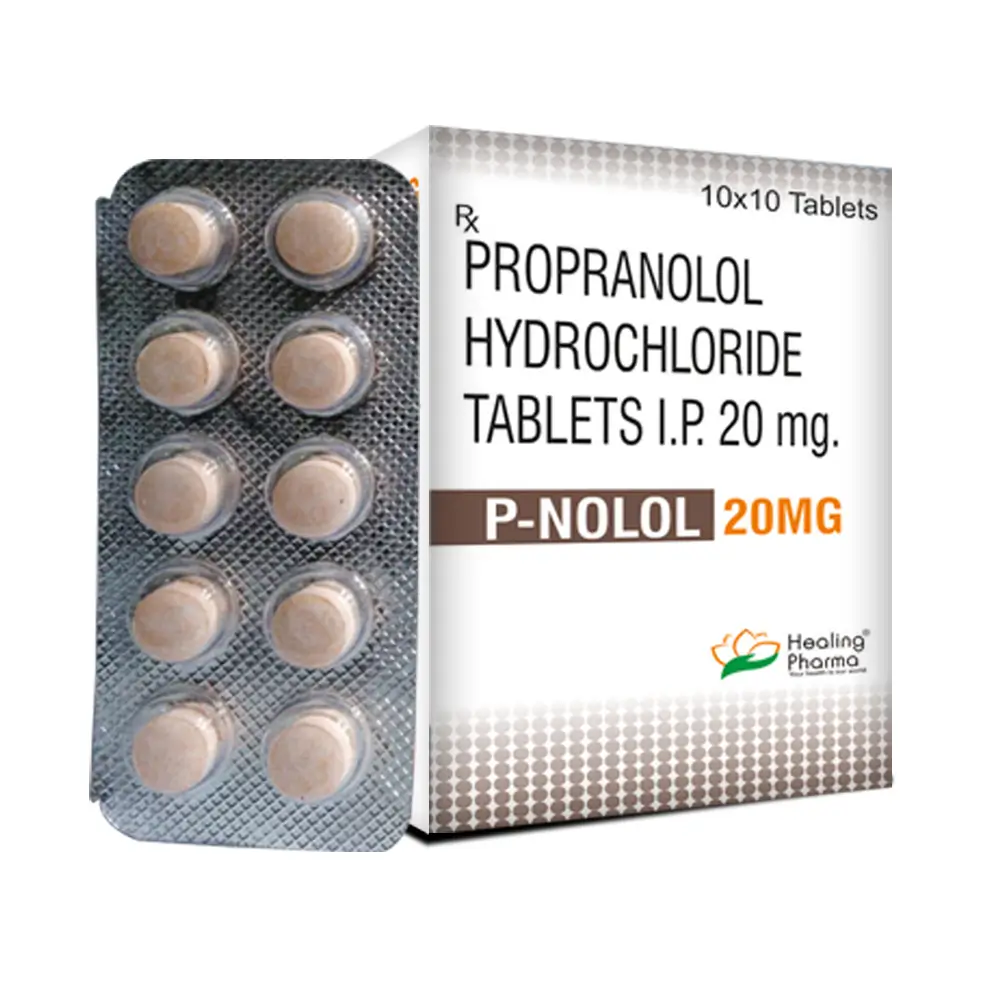
P-Nolol 20mg (Propranolol Hydrochloride)
Previous product

P-Nolol 10mg (Propranolol Hydrochloride)
$11.00 $35.00Price range: $11.00 through $35.00
Next product
P-Nolol 40mg (Propranolol Hydrochloride)
$20.00 $60.00Price range: $20.00 through $60.00
$17.00 $50.00Price range: $17.00 through $50.00
In Stock
In Stock
P-Nolol 20mg (Propranolol Hydrochloride)
| Pack Size | Price | Quantity | Add To Cart | |
|---|---|---|---|---|
| 100 Tablet/s | $17.00 | |||
| 200 Tablet/s | $30.00 | |||
| 400 Tablet/s | $50.00 | |||
| Want to order in bulk / B2B price? Send Inquiry | ||||
×
Sorry!! Out of Stock
Sorry! P-Nolol 20mg (Propranolol Hydrochloride) is out of stock
Please click below to view other similar medications.
View All Propranolol Hydrochloride Products
Offer You Can't Resist
Free Shipping
Enjoy Free Shipping on Orders above AUD304 (USD199)
Estimate Delivery :
16 September - 23 September
37
Highly Professional
Very professional company with a smooth ordering process. The staff were courteous and helpful, and the shipment was handled efficiently. I had a good overall experience.
 Australia
August 17, 2026
Last Updated on May 13, 2026

Description
P-Nolol 20mg (Propranolol Hydrochloride) – A Comprehensive Guide
P-Nolol 20mg, also called Propranolol Hydrochloride, is an effective medication used to treat a variety of medical issues that are connected to heart health. It is a beta-blocker that has a significant role to play in lessening the strain on the heart as well as stabilizing blood pressure. Learning about the advantages, usages of the medication, its side effects, as well as the precautions that come with this drug will help patients make educated decisions regarding treatment.
In this article on this blog, we’ll discuss what P-Nolol 20mg is, what it is, how it works with various applications, as well as potential side effects and other pertinent information. This article aims to give an understanding of the medication for the patients, their caregivers, and medical professionals.
What is P-Nolol 20mg?
P-Nolol 20mg is one of the formulations that contain Propranolol which is a beta-blocker that is not selective. Beta-blockers are medications that inhibit the effect of adrenaline (epinephrine) in beta receptors within the blood vessels, heart, and other organs. By blocking these receptors Propranolol aids in slowing the rate of heartbeat, lowering blood pressure, and lessening the strain on the heart.
Propranolol can be found in different dosages, but the dosage of 20 mg is usually used to treat conditions such as anxiety, arrhythmias, and hypertension, and various other heart-related issues.
How Does P-Nolol 20mg Work?
P-Nolol 20mg works by reducing the activity of certain chemicals within the body, including adrenaline. Adrenaline is a common chemical that binds with beta receptors within the heart. This triggers a rise in heart rate and blood pressure. In blocking these receptors Propranolol can effectively:
- Reduces heart rate: The result is a reduction in the load on the heart.
- Lowers blood pressure: Through relaxing blood vessels Propranolol assists in lowering blood pressure and reduces the chance of suffering from heart attacks or stroke.
- Prevents abnormal heart rhythms: It assists in stabilizing the electrical impulses that flow through the heart, decreasing the chance of developing arrhythmias.
- Reduces symptoms of anxiety: It reduces physical signs and symptoms of anxiety (e.g. a higher heart rate). Propranolol is sometimes used to treat performance anxiety.
Medical Uses of P-Nolol 20mg
P-Nolol 20mg can be prescribed to treat many health conditions, among them:
- Hypertension (High Blood Pressure):
Propranolol assists in reducing hypertension by dilating blood vessels and decreasing the heart rate. It is a great treatment for those suffering from hypertension. It also reduces the likelihood of a heart attack and stroke. - Angina (Chest Pain):
P-Nolol assists in preventing angina through cutting down the need for oxygen to the heart, which in turn reduces chest pain and increases the likelihood of complications related to the heart. - Arrhythmias (Irregular Heartbeats):
Propranolol is a common medication utilized to treat arrhythmias by stabilizing the heart’s electrical activity. It’s especially effective in the prevention of supraventricular Tachycardias. - Post-Heart Attack Care:
Following a heart attack Propranolol is a medication that can reduce the workload of the heart, which improves survival rates, as well as decreasing the chance of a second heart attack. - Migraine Prevention:
Research has shown that Propranolol is effective for preventing migraines through stabilizing blood flow in the brain as well as managing neurotransmitters with migraines. - Anxiety and Performance Anxiety:
P-Nolol can be recommended for use on a short-term basis for those suffering from symptoms of social anxiety or performance anxiety. It may help to reduce physical symptoms such as shaking hands, a higher heart rate, and sweating. These can be commonplace in stressful circumstances. - Thyroid-Related Conditions:
Propranolol can be utilized to treat symptoms that are related to the condition known as hyperthyroidism (overactive thyroid) that include anxiety, tremors, and anxiety.
Dosage and Administration
The usual dosage for starting P-Nolol 20 mg for treating hypertension-related conditions is between 20 and 40 mg twice daily. The dose may differ based on the condition being treated, the response to treatment, and individual health conditions. It is crucial to stick to the dosage prescribed and not to change it without consulting a health physician.
Note: It’s important not to suddenly stop P-Nolol abruptly, since it could cause serious heart issues. If you are required to stop P-Nolol, your physician will help you with an adjustment process.
Side Effects of P-Nolol 20mg
As with all medicines, P-Nolol 20mg could result in negative side effects. While no one is prone to experiencing adverse effects, the most common comprise:
- Fatigue or tiredness
- Dizziness or lightheadedness
- Cold hands and feet
- Slow heart rate (bradycardia)
- Nausea or upset stomach
- Sleep disturbances (e.g., insomnia or vivid dreams)
Certain people might suffer more serious adverse effects. For instance:
- Shortness of breath or wheezing: This is especially true when patients suffer from asthma or chronic lung problems that are chronic.
- Severe bradycardia or hypotension: A very low heart rate or blood pressure may be a problem, especially if the dose is excessive.
- Depression or mood changes
- Severe allergic reactions: It can be accompanied by an itchy rash or swelling of the face and throat.
If you suffer from any of these serious negative side effects, it’s vital to get medical attention right away.
Precautions and Interactions
Before starting P-Nolol 20mg, patients should consult their doctor regarding any health issues they may have that may be causing them to take the medication, such as:
- Asthma or chronic lung disease: Propranolol could exacerbate the symptoms of asthma as well as chronic obstructive pulmonary disorder (COPD).
- Heart conditions: Patients with a history of arrhythmias or heart failure must use this medicine cautiously.
- Diabetes: P-Nolol is a drug that masks the symptoms of lower levels of blood sugar (hypoglycemia) and make difficult to determine the signs that blood sugar levels are insufficient.
- Kidney or liver disease: Because Propranolol is converted into metabolites through the liver, people who suffer from liver issues may need a dosage adjustment.
P-Nolol could be a drug that interacts with other medicines, for example:
- Other blood pressure medications
- Antidepressants
- Antiarrhythmic drugs
- Nonsteroidal anti-inflammatory drugs (NSAIDs)
Always check with your medical physician prior to taking or stopping any medicine.
Conclusion
P-Nolol 20mg (Propranolol Hydrochloride) is a highly effective drug that can treat many heart and medical issues. If you’re struggling with hypertension, anxiety, and irregular heart rhythms, Propranolol can offer significant advantages in reducing the symptoms and improving your health. Like all medications that you take, you must adhere to the dosage prescribed and notify any negative side symptoms to your physician immediately.
FAQs
Can I drink alcohol while taking P-Nolol?
The best thing to do is avoid overdrinking alcohol while using P-Nolol because it increases the chance of adverse effects such as lightheadedness and dizziness.
Can P-Nolol cause weight gain?
Weight gain isn’t an uncommon side effect of P-Nolol. However, certain sufferers may notice changes in metabolism. If you experience noticeable weight gain, you should consult your doctor.
How long does it take for P-Nolol to start working?
There may be changes in your symptoms as early as just a couple of hours or a few days following the start of P-Nolol. But the full benefit could take anywhere from 1 to 2 weeks.
What should I do if I miss a dose of P-Nolol?
If you’ve missed a dose, make sure to take it as soon as you remember, or until you’re nearing the time to take the next dose. In this case, take the dose you missed and start the next one in the normal time.
Is P-Nolol safe for pregnant women?
Propranolol should not be used in the first trimester unless its benefits outweigh the potential risks. Consult your physician before you take any medication during your pregnancy.
Can I stop taking P-Nolol abruptly?
No, you should not discontinue P-Nolol abruptly since it may cause grave issues. Consult your physician regularly to slowly reduce your dosage when needed.
When they are aware of the effects of the drug, its side effects, and safety precautions that come with P-Nolol 20mg use, the patients are able to better manage their conditions and make better informed choices about the treatment they receive.
Additional Information
| Active Ingredient: | Propranolol Hydrochloride |
|---|---|
| Indication: | Preventive Treatment of Migraine, Chest Pain (Angina), High Blood Pressure |
| Manufacturer: | Healing Pharma, India |
| Packaging: | 10 Tablets in Strip |
| Strength: | 20mg |
| Delivery Time: | 7 To 15 days |
Related products






Recently Viewed

Reviews
There are no reviews yet.