

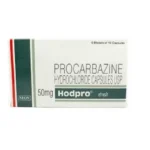
P Carzine 50mg (Procarbazine)
Previous product
Eroxib 20mg (Tadalafil)
$130.00 $300.00Price range: $130.00 through $300.00
Next product
Pomalid 4mg (Pomalidomide)
$333.00 $985.00Price range: $333.00 through $985.00
$55.00 $149.00Price range: $55.00 through $149.00
In Stock
In Stock
P Carzine 50mg (Procarbazine)
| Pack Size | Price | Quantity | Add To Cart | |
|---|---|---|---|---|
| 50 Capsule/s | $55.00 | |||
| 100 Capsule/s | $105.00 | |||
| 150 Capsule/s | $149.00 | |||
| Want to order in bulk / B2B price? Send Inquiry | ||||
×
Sorry!! Out of Stock
Sorry! P Carzine 50mg (Procarbazine) is out of stock
Please click below to view other similar medications.
View All Procarbazine Products
Offer You Can't Resist
Free Shipping
Enjoy Free Shipping on Orders above AUD304 (USD199)
Estimate Shipping :
07 June - 14 June
28
Last Updated on May 06, 2026

Description
P Carzine 50mg (Procarbazine) – An Overview
P Carzine 50mg, often referred to under the generic name Procarbazine, is a medication for chemotherapy that plays an essential role in treating certain types of cancer. It is part of a group of medicines known as Alkylating Agents and works by interfering with the DNA within cancer cells and preventing the cells from dividing and growing. The following blog post will discuss its uses, mechanisms of action, dosage, adverse effects, and many other aspects to give you complete knowledge about P Carzine 50mg (Procarbazine).
What is P Carzine (Procarbazine)?
Procarbazine is the active component of P Carzine 50mg, is a prescribed drug that is used for the treatment of cancers, such as Hodgkin’s Lymphoma, as well as Hodgkin’s lymphoma that is not. The drug can also be utilized to treat other types of cancer, such as cancers of the brain, as well as lung cancer, in either standalone treatment or as part of other chemotherapy medications.
The medication is usually included in chemotherapy regimens that include multiple drugs like MOPP (Mechlorethamine, Vincristine, Procarbazine, and Prednisone) for Hodgkin’s Lymphoma. Although it is a key component in the field of oncology, Procarbazine comes with particular negative effects that require cautious control and surveillance during treatment.
How Does P Carzine 50mg Work?
P Carzine 50mg (Procarbazine), which is considered to be an alkylating agent, which implies that it interferes with the DNA’s structure in cells. The active version of Procarbazine bonds to DNA and crosses between DNA strands. This causes ruptures and interruptions to cell division. It makes it hard for cancer cells to reproduce, which ultimately leads to their demise.
Alongside being a cancer-fighter, Procarbazine also has the potential to affect healthy cells, resulting in various potential adverse effects. The Mechanism of action of Procarbazine is comparable to that of other alkylating agents; it comes with distinctive features that make it effective when used in conjunction with other therapies.
Indications for P Carzine 50mg
P Carzine 50mg is commonly employed to treat these diseases:
- Hodgkin’s Lymphoma: Procarbazine is often used with chemotherapy drugs to combat Hodgkin’s Lymphoma, an illness of the lymphatic system.
- Non-Hodgkin’s Lymphoma: Procarbazine could be a part of the treatment plan for non-Hodgkin’s Lymphoma. This includes a wide variety of blood cancers.
- Brain Tumors: In a few instances, it is possible to prescribe in conjunction with a treatment strategy for primary brain tumors.
- Small Cell Lung Cancer: Though it’s not widely used, it is sometimes utilized to treat small-cell lung cancer in the larger strategy of chemotherapy.
- Other Malignancies: In certain instances, Procarbazine is used to treat other lesser-known cancers, as part of clinical trials or for off-label usage.
Dosage and Administration
P Carzine 50mg is typically available in oral tablets. The dosage is determined by the kind of cancer that is being diagnosed, the general well-being of the patient, as well as other aspects like prior chemotherapy therapies.
Typical Dosage Guidelines
- For Hodgkin’s lymphoma: The typical dosage is 50 mg daily during 14 consecutive days before a 14-day break and in combination with chemotherapy medications like vincristine, mechlorethamine, and prednisone.
- For Non-Hodgkin’s lymphoma: Dosage may vary; the majority of times, it’s used alongside different chemotherapeutic drugs.
- The dose can be altered based on the patient’s response to the medication, as well as the side effects and the overall treatment plan.
Procarbazine can be taken in conjunction with food in order to minimize stomach discomfort, It’s important to adhere to the prescriptions of the physician about when and how to consume the medicine.
Side Effects of P Carzine 50mg
As with many chemotherapy drugs, like many chemotherapy agents, P Carzine 50mg may produce a wide range of adverse effects. It is not the case that every patient experiences every one of them. And some experience them in different levels. Most common adverse effects are:
- Bone Marrow Suppression: This is among the main adverse consequences. It could result in decreased production of white blood cells, as well as platelets. The patient is more prone to infection as well as bleeding, anemia, and other complications.
- Nausea and Vomiting: Like many chemotherapy medications, nausea and vomiting can be typical. The majority of doctors prescribe anti-nausea medication for this effect.
- Hair Loss: Hair loss that is temporary is a frequently reported side effect associated with the use of Procarbazine.
- Fatigue: Patients might feel exhausted or weak throughout treatments.
- Skin Rash: A few patients can get a rash from a reaction to the medication.
- Changes in Appetite: Certain people experience an increase in appetite that could be related to the treatment or another factor related to chemotherapy for cancer.
- Elevated Liver Enzymes: Procarbazine could cause changes in liver function. These changes could require regular tests for liver function as part of the treatment.
- Neurological Effects: Patients might experience confusion, trouble concentrating, or mood swings.
More often, Procarbazine could cause more serious negative effects. For instance:
- Secondary cancers: The long-term effects of using cannabis can increase the chance of developing cancers that develop later on in life.
- Severe allergic reactions: Signs like difficulties breathing, swelling of the throat or face, as well as severe reactions to skin, may suggest allergies.
In the event that any one of these dangerous adverse effects happen the first step is to get in touch with a physician promptly.
Precautions and Interactions
Before starting treatment with P Carzine 50mg Patients should provide all medical information, especially regarding:
- The previous treatment with radiation or chemotherapy.
- Kidney or liver disease can cause kidney disease, since these alter the process of Procarbazine.
- Allergies to Procarbazine, or any of its components.
Furthermore, Procarbazine could be a drug that interacts with other medicines, including other chemotherapy drugs, antidepressants, and other anticoagulants (blood thinners). It is recommended that patients avoid drinking alcohol while they are in treatment because it could cause adverse effects such as headache, dizziness, and nausea.
Conclusion
P Carzine 50mg (Procarbazine) is a crucial chemotherapy drug used in the treatment of some cancers, particularly brain tumors and lymphomas. It plays a crucial part in the treatment of cancer; however, it requires cautious surveillance due to the possibility of serious side effects such as bone swelling, nausea, and fatigue. Learning about how the drug operates, as well as its possible adverse consequences, and the necessary precautions, will help patients as well as health professionals make educated decisions concerning treatment options.
Procarbazine’s effectiveness is greatest when it is used in conjunction with other therapies. Its dose will be determined by a variety of aspects, like the kind of cancer, the health status of the patient, as well as the addition of any other medication. Follow your physician’s instructions carefully when taking P Carzine 50 mg. Also, notify your doctor of any abnormal symptoms or adverse reactions promptly.
FAQs
What should I do if I miss a dose of Procarbazine?
If you don’t remember the dose, get the dose as soon as you can. When you’re nearing the time of your next dose, you can skip your missed dose. Don’t double your doses to compensate for an absence. Always adhere to your physician’s recommendations.
Can Procarbazine cause long-term side effects?
Yes, the use for a long time of Procarbazine may raise the likelihood of developing cancerous secondary tumors. It’s essential to keep regular check-ups to look out for the possibility of long-term problems.
How long does Procarbazine stay in your system?
The effects of the drug may only persist for a few hours following the dose that you took, but the drug can remain within your body for weeks or even months, based on aspects like the dose frequency of administration and your body’s capacity to process the substance.
Can I drink alcohol while taking Procarbazine?
It is recommended to stay clear of the consumption of alcohol when you are taking Procarbazine because it could create side effects, such as nausea and dizziness. Make sure you consult with your healthcare physician regarding drinking alcohol while you are on chemotherapy.
How is Procarbazine administered?
P Carzine 50mg is usually consumed orally as a tablet. It’s usually consumed in conjunction with meals to lessen stomach discomfort. Be sure to follow your medical doctor’s recommendations regarding dosage and time.
Related products
Reviews
There are no reviews yet.