

Oxemia 100mg (Desidustat)
Previous product
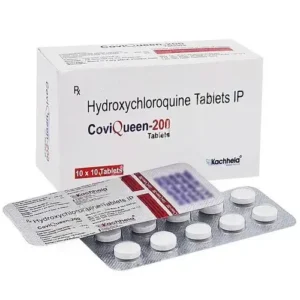
Coviqueen 200mg (Hydroxychloroquine Sulfate)
$80.00 $230.00Price range: $80.00 through $230.00
Next product

Oxemia 50mg (Desidustat)
$90.00 $230.00Price range: $90.00 through $230.00
$180.00 $490.00Price range: $180.00 through $490.00
In Stock
In Stock
Oxemia 100mg (Desidustat)
| Pack Size | Price | Quantity | Add To Cart | |
|---|---|---|---|---|
| 30 Tablet/s | $180.00 | |||
| 60 Tablet/s | $340.00 | |||
| 90 Tablet/s | $490.00 | |||
| Want to order in bulk / B2B price? Send Inquiry | ||||
×
Sorry!! Out of Stock
Sorry! Oxemia 100mg (Desidustat) is out of stock
Please click below to view other similar medications.
View All Desidustat Products

Offer You Can't Resist
Free Shipping
Enjoy Free Shipping on Orders above AUD304 (USD199)
Estimate Shipping :
08 June - 15 June
44
Last Updated on May 05, 2026

Description
Oxemia 100mg (Desidustat) – A Comprehensive Overview
Oxemia 100mg is also referred to under the brand term Desidustat, is a drug mostly used to treat the symptoms of anemia that is associated with chronic kidney diseases (CKD). The drug is part of the class of hypoxia-inducible prolyl inhibits of hydroxylase (HIF-PHIs) that are drugs specifically designed to regulate the process of erythropoiesis (red blood cells production). The understanding of the mechanism behind effects, use, benefits, as well as side effects, and the proper dosage is essential for those who are considering or are prescribing this medication.
What is Desidustat?
Desidustat, which is sold under the name Oxemia, is a prescription medication that stimulates Red blood cell production. When it comes to CKD sufferers, anemia usually is caused by a decrease in kidney erythropoietin levels, and this in turn reduces the body’s capacity to create Red blood cells. Desidustat mimics the effect of erythropoietin that is naturally produced by promoting the growth of blood red cells as a reaction to the low levels of oxygen within the body.
It is known as a selective inhibitor of hydroxylase that essentially stabilizes the hypoxia-inducible factors (HIF). In stabilizing HIF, Desidustat indirectly stimulates kidneys to make greater amounts of erythropoietin. This stimulates bone marrow to boost the production of red blood cells.
How Does Oxemia (Desidustat) Work?
The body’s response to decreased oxygen levels is an important aspect of how Desidustat operates. When oxygen levels decrease then the body boosts its production of erythropoietin. It is which is a hormone that stimulates the production of red blood cells within the bone marrow. In patients suffering from CKD the kidneys’ capacity to make the hormone erythropoietin decreases, which leads to anemia.
Oxemia (Desidustat) is a drug that works in a way to block the prolyl-hydroxylase enzyme that is responsible for degrading hypoxia-inducible factors (HIF). HIF plays an important role in controlling the homeostasis of oxygen, and, when it is stabilized through Desidustat, it triggers several pathways that increase the erythropoiesis. This enhances the body’s capability to deal with anemia, and also boosts hemoglobin levels.
Indications for Oxemia 100mg
Oxemia 100mg is used to treat anemia that is associated with chronic kidney diseases (CKD) especially in those who aren’t yet taking dialysis. The medication is often used when traditional treatments, like erythropoiesis-stimulating agents (ESAs), are not well-tolerated or effective.
In addition, Oxemia could be prescribed to those who are at a greater likelihood of suffering from complications related to anemia, including issues with the cardiovascular system. Oxemia can help decrease the requirement for blood transfusions. This is which is a typical treatment for anemia among CKD sufferers.
Benefits of Oxemia (Desidustat)
- Improved Erythropoiesis: Through stimulating red blood cell production Oxemia is a way to treat anemia among CKD patients. This results in higher energy levels as well as a greater living quality.
- Reduced Need for Blood Transfusions: Patients suffering from CKD typically require blood transfusions to combat anemia. In boosting the production of red blood cells, Oxemia can reduce or completely remove the requirement for blood transfusions.
- Oral Administration: In contrast to other treatment options to treat anemia in CKD The Oxemia medication is accessible in an oral form which makes it easier and less stressful over injectable alternatives.
- Reduced Cardiovascular Risks: Through boosting hemoglobin levels and decreasing anemia, oxemia can help reduce certain cardiovascular risks that are associated with anemia among CKD patients.
- Fewer Side Effects: In comparison to the traditional ESAs, Oxemia is typically thought to have a favorable adverse effect profile, particularly with regard to the safety aspect and the tolerability.
Dosage and Administration of Oxemia
The dose of Oxemia 100mg is based on the severity of anemia as well as kidney function and specific health requirements. The medication is typically used once daily, and the dose can be adjusted depending on hemoglobin levels as well as other variables.
In the case of CKD patients, physicians typically begin treatment by using a smaller dosage to observe the patient’s reaction. Following the results of subsequent blood tests as well as medical evaluations, the dosage can be reduced or increased.
Patients must adhere to the dosage of Oxemia in the exact manner prescribed. Inadvertently readjusting doses or skipping dosages dosage on your own could result in adverse side effects or decrease effectiveness. Like all medications medical professional, the doctor should be checked before making any modifications.
Possible Side Effects of Oxemia
As with all medications, Oxemia can cause side effects. It is, however, generally tolerated well, with the majority of adverse reactions being minimal. The most frequent side effects of Oxemia (Desidustat) could be:
- Gastrointestinal Issues: The symptoms of diarrhea, nausea or constipation may be experienced by certain patients, but the effects tend to be temporary.
- Headaches: A mild headache may be felt by some people.
- Fatigue: However, some patients could be more tired, particularly at the beginning of treatments.
- Hypertension: An increase in blood pressure can be a result; it is suggested to monitor your blood pressure regularly.
- Dizziness: A few patients experience lightheadedness or dizziness. This is especially true when getting up.
In rare instances, severe side effects can occur, including blood clots or allergic reactions. If severe adverse negative side effects develop medical attention should be sought right away.
Precautions and Warnings
Prior to starting Oxemia (Desidustat) Certain steps should be taken to ensure:
- Kidney Function: Patients with severe renal impairment need to be careful when taking Oxemia. Adjustments to dosages may be necessary.
- Pregnancy and Breastfeeding: Oxemia is a drug that should be utilized in pregnancy only when the benefits are greater than the dangers. There is no way to determine if it is passed into breast milk. Therefore, it is recommended to be cautious.
- Pre-existing Cardiovascular Conditions: Because Oxemia could alter blood pressure, those suffering from heart diseases or with high blood pressure must be monitored on a regular basis.
- Blood Clot Risk: Desidustat can increase the chance of clotting. Therefore, those who are at risk for the thromboembolic event should be observed.
Conclusion
Oxemia 100mg (Desidustat) is a promising solution for patients who suffer from anemia due to chronic kidney illness. Through stimulating red blood cell production via the inhibition of prolyl-hydroxylase, it is able to greatly enhance your quality of life of sufferers and decrease the requirement to receive transfusions of blood. While side effects may occur, they are generally mild, and the benefits often outweigh the risks, especially for those who cannot tolerate traditional erythropoiesis-stimulating agents.
Like any other treatment, you must follow the dose prescribed and be aware of any adverse consequences. Always consult with a doctor prior to making any modifications to your treatment plan.
Frequently Asked Questions (FAQs)
What is the primary use of Oxemia 100mg?
Oxemia 100mg is typically used in the treatment of anemia for patients with chronic kidney disease (CKD). It assists in stimulating red blood cell production through raising the levels of erythropoietin.
How is Oxemia administered?
Oxemia is administered orally, generally once daily. The dose is individualized according to the patient’s specific needs and kidney function. It is crucial to follow the instructions of your doctor concerning the dose and frequency.
Are there any serious side effects of Oxemia?
Although Oxemia generally is well-tolerated, serious adverse reactions, although rare, could include the development of blood clots, allergic reactions, or extreme hypertension. It is recommended to regularly check your blood pressure and look out for any potentially serious issues.
Can Oxemia be used in patients on dialysis?
Oxemia is commonly used for CKD patients who haven’t yet begun dialysis. However, its application for dialysis patients must be determined by a medical professional based on their individual requirements and the risks.
Can I stop taking Oxemia once my anemia improves?
It’s crucial not to quit taking Oxemia before consulting with your physician. A sudden discontinuation could lead to the relapse of anemia, and dosage adjustments must be made under the supervision of a medical professional.
Additional Information
| Active Ingredient: | Desidustat |
|---|---|
| Indication: | Treatment of Iron Deficiency Anemia and Anemia due to Chronic Kidney Disease |
| Manufacturer: | Zydus Lifesciences |
| Packaging: | 10 Tablets in 1 Strip |
| Strength: | 200mg |
| Delivery Time: | 7 To 15 days |
Related products




Recently Viewed




Reviews
There are no reviews yet.