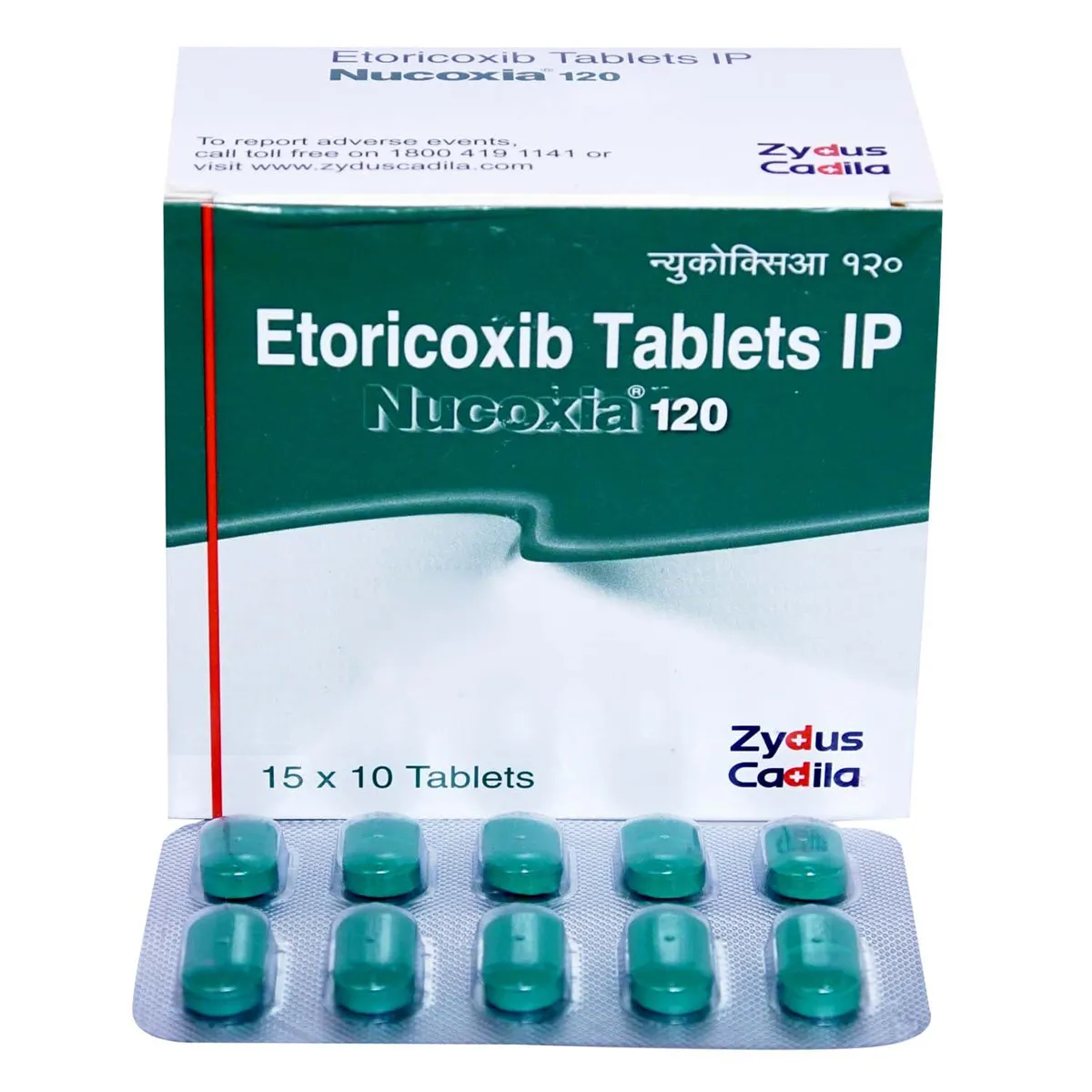
Nucoxia 120mg (Etoricoxib) – A Comprehensive Guide
Etoricoxib is the active ingredient in Nucoxia 120mg, a nonsteroidal anti-inflammatory drug (NSAID) that belongs to a class of medicines known as selective COX-2 inhibitors. It is mainly used to relieve pain, inflammation, and swelling associated with various conditions such as osteoarthritis, rheumatoid arthritis, ankylosing spondylitis, and acute pain. By specifically targeting the cyclooxygenase-2 (COX-2) enzyme, Etoricoxib helps reduce the production of prostaglandins, which are responsible for pain, inflammation, and fever. This selective action makes it an effective and comparatively safer option for many patients.
What is Nucoxia 120mg (Etoricoxib)?
Nucoxia 120mg is a prescription medication used to manage moderate to severe pain and inflammation. Unlike traditional NSAIDs such as ibuprofen or naproxen, which block both COX-1 and COX-2 enzymes, Etoricoxib selectively inhibits only the COX-2 enzyme. This selective inhibition helps reduce inflammation and pain while lowering the risk of gastrointestinal side effects like stomach ulcers and bleeding, which are commonly associated with non-selective NSAIDs. Because of this targeted approach, Nucoxia is often preferred for patients who require long-term pain management but are at risk of digestive complications.
How Does Nucoxia Work?
Nucoxia works by blocking the COX-2 enzyme, which is activated during inflammatory conditions. This enzyme plays a key role in producing prostaglandins, chemical messengers that trigger pain, swelling, and fever in the body. By inhibiting COX-2, Nucoxia reduces the production of these chemicals, thereby relieving pain and inflammation. Since it does not significantly affect the COX-1 enzyme, which protects the stomach lining, it is less likely to cause stomach-related issues compared to traditional NSAIDs. This mechanism makes it especially useful for chronic inflammatory conditions.
Uses of Nucoxia 120mg (Etoricoxib)
Nucoxia 120mg is widely prescribed for several medical conditions involving pain and inflammation. It is commonly used in osteoarthritis, a degenerative joint condition that causes stiffness, swelling, and pain. It helps improve mobility and reduces discomfort in affected joints. In rheumatoid arthritis, an autoimmune disease where the immune system attacks the joints, Nucoxia helps reduce inflammation and joint damage symptoms. It is also effective in ankylosing spondylitis, a condition that primarily affects the spine and leads to severe stiffness and pain.
In addition to chronic conditions, Nucoxia is useful for managing acute pain such as post-surgical pain, injury-related pain, and other short-term painful conditions. It is also prescribed for gout, a form of arthritis characterized by sudden and intense joint pain, usually in the big toe. Etoricoxib helps reduce inflammation and provides quick relief during gout attacks. Furthermore, it can be used for dental pain, especially after dental procedures, where it helps manage discomfort effectively.
Dosage and Administration
Nucoxia 120mg is typically taken once daily, with or without food. The exact dosage depends on the condition being treated and the patient’s overall health. For osteoarthritis, the usual starting dose is lower, often around 60mg daily. In more severe conditions like rheumatoid arthritis or ankylosing spondylitis, the dose may be increased to 90mg or 120mg as prescribed by a doctor. It is important to follow your doctor’s instructions carefully and not exceed the recommended dosage, as higher doses may increase the risk of side effects.
Taking the medication at the same time each day helps maintain consistent levels in the body and improves effectiveness. Swallow the tablet with water and avoid crushing or breaking it unless advised by your doctor. If you miss a dose, take it as soon as you remember, but skip it if it is close to your next scheduled dose. Do not take a double dose to make up for a missed one.
Potential Side Effects
Like all medications, Nucoxia 120mg may cause side effects, although not everyone experiences them. Common side effects include mild gastrointestinal issues such as nausea, indigestion, or diarrhea. Some people may also experience headaches or dizziness, especially when starting the medication. Swelling in the legs or ankles due to fluid retention is another possible side effect.
In some cases, skin reactions such as rash or itching may occur, which could indicate an allergic response. Etoricoxib may also lead to increased blood pressure, so patients with hypertension should use it cautiously. More serious risks include cardiovascular issues such as heart attack or stroke, particularly with long-term use or high doses. Kidney function may also be affected in some individuals, especially those with pre-existing kidney conditions.
If you experience severe symptoms such as chest pain, shortness of breath, sudden weakness, or difficulty speaking, seek immediate medical attention, as these could be signs of a serious condition.
Precautions and Warnings
Before taking Nucoxia, it is important to inform your doctor about any existing medical conditions. Patients with a history of heart disease, high blood pressure, liver or kidney problems should use this medication with caution. Regular monitoring may be required to ensure safety.
Nucoxia is not recommended during pregnancy, especially in the third trimester, as it may harm the developing baby. It is also generally avoided during breastfeeding unless prescribed by a doctor. Alcohol consumption should be limited or avoided, as it can increase the risk of stomach irritation and other side effects.
Elderly patients may be more sensitive to the effects of the drug and should use it under medical supervision. Always follow prescribed guidelines and avoid self-medication.
Drug Interactions
Nucoxia may interact with other medications, which can affect its effectiveness or increase the risk of side effects. It may interact with blood thinners such as warfarin, increasing the risk of bleeding. Diuretics, commonly used to treat high blood pressure, may increase the risk of kidney problems when taken with Etoricoxib.
It can also reduce the effectiveness of ACE inhibitors and ARBs, which are used to manage blood pressure. Taking it along with other NSAIDs may increase the risk of stomach bleeding and ulcers. Therefore, it is essential to inform your doctor about all medications you are currently taking, including over-the-counter drugs and supplements.
Frequently Asked Questions (FAQs)
Can I take Nucoxia 120mg if I have high blood pressure?
It is important to consult your doctor before using Nucoxia if you have hypertension, as it may increase blood pressure levels.
How long can I take Nucoxia 120mg?
The duration of treatment depends on the condition and your response to the medication. Long-term use should always be monitored by a healthcare professional.
Can Nucoxia be used for headaches or migraines?
Although it relieves pain, it is not typically recommended as a first choice for headaches or migraines. Consult your doctor for appropriate treatment.
What should I do if I miss a dose?
Take the missed dose as soon as you remember, unless it is close to your next dose. Do not double the dose to compensate.
Is Nucoxia safe for long-term use?
Long-term use may increase the risk of heart and kidney issues, so it should only be taken under medical supervision.
Conclusion
Nucoxia 120mg (Etoricoxib) is an effective medication for managing pain and inflammation associated with various chronic and acute conditions. Its selective action on the COX-2 enzyme makes it a preferred option for patients who require strong pain relief with a lower risk of gastrointestinal side effects. However, like all medications, it must be used responsibly and under medical guidance.
Proper dosage, awareness of potential side effects, and regular monitoring are essential for safe use. If used correctly, Nucoxia can significantly improve quality of life by reducing pain and enhancing mobility.




 Australia






Reviews
There are no reviews yet.