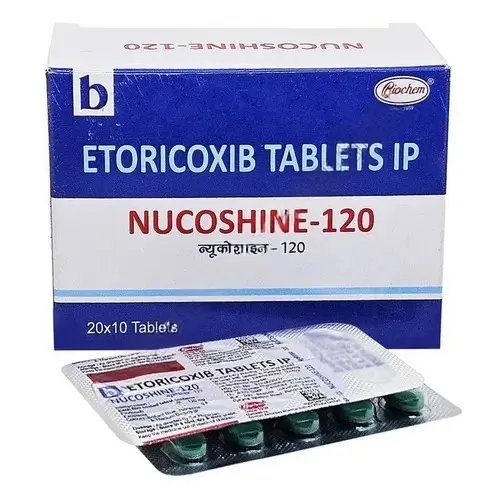
Nucoshine 120mg (Etoricoxib): An Overview
Nucoshine 120mg is a prescription medication that contains Etoricoxib, a powerful selective COX-2 inhibitor used to treat pain, inflammation, and various arthritic conditions. Etoricoxib works by blocking the activity of the cyclooxygenase-2 (COX-2) enzyme, which is responsible for producing prostaglandins—chemicals in the body that cause pain, swelling, and fever. By inhibiting COX-2, this medicine effectively reduces inflammation and pain without significantly affecting COX-1, an enzyme that protects the stomach lining.
Etoricoxib is commonly prescribed for conditions such as osteoarthritis, rheumatoid arthritis, acute pain, and gout. Nucoshine 120mg is one of the higher-strength doses and is typically taken once daily. It is widely known for providing strong pain relief while reducing the risk of gastrointestinal side effects often associated with traditional nonsteroidal anti-inflammatory drugs (NSAIDs).
This guide provides a complete and easy-to-understand overview of Nucoshine 120mg, including its mechanism of action, uses, dosage, side effects, precautions, and drug interactions.
Mechanism of Action
Etoricoxib selectively inhibits the COX-2 enzyme, which plays a key role in producing prostaglandins during inflammation or injury. These prostaglandins are responsible for causing pain, swelling, and fever in affected areas of the body.
By blocking COX-2, Etoricoxib reduces the production of these inflammatory chemicals, leading to effective pain relief and decreased swelling. Unlike traditional NSAIDs such as ibuprofen or naproxen, which block both COX-1 and COX-2 enzymes, Etoricoxib mainly targets COX-2. This selective action helps preserve the protective functions of COX-1, such as maintaining the stomach lining and supporting normal platelet function.
As a result, Nucoshine 120mg provides strong anti-inflammatory and analgesic effects with a lower risk of stomach irritation, ulcers, and bleeding.
Indications and Uses
Nucoshine 120mg is prescribed for a variety of painful and inflammatory conditions affecting joints, muscles, and other tissues. Its most common uses include:
Osteoarthritis
Etoricoxib is used to manage osteoarthritis, a degenerative joint condition that causes pain, stiffness, and reduced mobility. It helps relieve inflammation and improve joint function, especially in weight-bearing joints like knees and hips.
Rheumatoid Arthritis
It is effective in treating rheumatoid arthritis, an autoimmune disorder that leads to chronic inflammation and joint damage. By reducing inflammation, Nucoshine helps control symptoms and improve quality of life.
Acute Pain
Nucoshine 120mg is commonly used for short-term management of acute pain, including pain after surgery or injury. It provides fast and effective relief from moderate to severe discomfort.
Gout
Etoricoxib is often prescribed for acute gout attacks, which cause sudden and intense pain, redness, and swelling—usually in the big toe. It helps reduce inflammation and ease symptoms during flare-ups.
Chronic Pain
In some cases, it may also be used for chronic pain conditions such as lower back pain or musculoskeletal discomfort, offering long-lasting relief.
Dosage and Administration
Nucoshine 120mg is usually taken once daily, but the exact dosage depends on the condition being treated and the patient’s medical history. It is important to follow your doctor’s instructions carefully.
General Dosage Guidelines:
- Osteoarthritis: 60mg to 120mg once daily
- Rheumatoid Arthritis: 90mg to 120mg once daily
- Acute Pain: 120mg once daily for a short duration
- Gout: 120mg once daily (typically for up to 8 days)
The tablet should be swallowed whole with a glass of water and can be taken with or without food. Do not crush or chew the tablet, as this may affect its effectiveness.
Missed Dose
If you miss a dose, take it as soon as you remember. If it is close to your next scheduled dose, skip the missed one and continue your regular schedule. Do not take two doses at the same time.
Side Effects
Like all medications, Nucoshine 120mg may cause side effects, although not everyone experiences them. Most side effects are mild, but some may require medical attention.
Common Side Effects:
- Headache
- Dizziness or lightheadedness
- Nausea or vomiting
- Abdominal pain
- Diarrhea
- Swelling in the legs or feet
- Skin rash
Serious Side Effects:
Although rare, the following side effects may occur:
- Cardiovascular Issues: Increased risk of heart attack or stroke, especially with long-term or high-dose use
- Gastrointestinal Problems: Risk of ulcers or bleeding, though lower than traditional NSAIDs
- Liver Problems: Symptoms may include yellowing of the skin or eyes, dark urine, or abdominal pain
- Kidney Issues: Fluid retention, swelling, or reduced kidney function
- Severe Allergic Reactions: Difficulty breathing, swelling of the face or throat, or severe rash
If you experience any severe symptoms, seek immediate medical attention.
Precautions
Before using Nucoshine 120mg, inform your doctor about any existing health conditions. Important precautions include:
- Heart Conditions: Use with caution in patients with a history of heart disease or stroke
- Pregnancy and Breastfeeding: Not recommended, especially during the third trimester
- Kidney and Liver Issues: Requires careful monitoring
- Elderly Patients: May be more sensitive to side effects
Avoid alcohol while taking this medication, as it may increase the risk of stomach irritation and other side effects.
Drug Interactions
Etoricoxib may interact with certain medications, which can affect its safety and effectiveness. Important interactions include:
- Anticoagulants (e.g., warfarin): Increased risk of bleeding
- Diuretics: Reduced effectiveness and higher risk of kidney problems
- Corticosteroids: Increased risk of stomach complications
- Blood Pressure Medications (ACE inhibitors, ARBs): Reduced effectiveness
Always inform your doctor about all medications, including over-the-counter drugs and herbal supplements.
Conclusion
Nucoshine 120mg (Etoricoxib) is a highly effective medication for managing pain and inflammation associated with conditions such as osteoarthritis, rheumatoid arthritis, acute pain, and gout. Its selective inhibition of the COX-2 enzyme provides strong relief while reducing the risk of gastrointestinal side effects compared to traditional NSAIDs.
However, it should be used with caution, especially in patients with heart, liver, or kidney conditions. Always follow your doctor’s advice, adhere to the prescribed dosage, and monitor for any side effects to ensure safe and effective treatment.











Reviews
There are no reviews yet.