
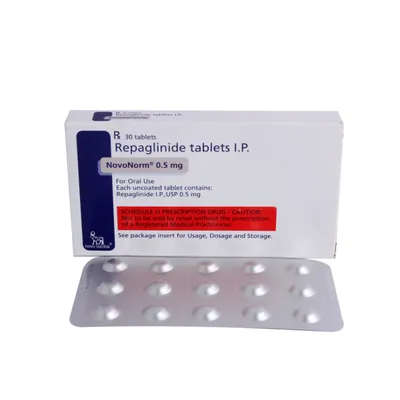
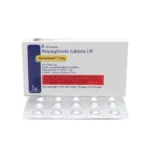
Novonorm 0.5mg (Repaglinide)
Previous product
Nexpro 40mg (Esomeprazole)
$18.00 $38.00Price range: $18.00 through $38.00
Next product
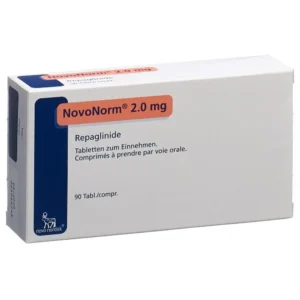
Novonorm 2mg (Repaglinide)
$23.00 $47.00Price range: $23.00 through $47.00
$23.00 $41.00Price range: $23.00 through $41.00
In Stock
In Stock
Novonorm 0.5mg (Repaglinide)
| Pack Size | Price | Quantity | Add To Cart | |
|---|---|---|---|---|
| 60 Tablet/s | $23.00 | |||
| 90 Tablet/s | $32.00 | |||
| 120 Tablet/s | $41.00 | |||
| Want to order in bulk / B2B price? Send Inquiry | ||||
×
Sorry!! Out of Stock
Sorry! Novonorm 0.5mg (Repaglinide) is out of stock
Please click below to view other similar medications.
View All Repaglinide Products
Offer You Can't Resist
Free Shipping
Enjoy Free Shipping on Orders above AUD304 (USD199)
Estimate Shipping :
20 June - 27 June
43
Best quality
Quality medicines at reasonable prices. Delivery was faster than expected, and everything arrived in perfect condition.
 Australia
May 24, 2026
Last Updated on April 30, 2026

Description
Introduction
Novonorm 0.5mg is a well-known brand name for the active ingredient Repaglinide, which is primarily used to treat Type 2 Diabetes. It is an oral medication that helps control blood sugar levels in individuals who cannot manage their glucose levels through diet, exercise, or lifestyle changes alone. Repaglinide belongs to a class of drugs known as meglitinides, which work by stimulating the pancreas to increase the release of insulin in response to food intake.
Mechanism of Action
Repaglinide, like other meglitinides, acts on the beta cells of the pancreas to increase insulin production. It stimulates insulin release rapidly and in a glucose-dependent manner. This means the medication triggers insulin secretion when blood glucose levels are high, thereby lowering the risk of hypoglycemia (low blood sugar) compared to some other diabetes medications.
The mechanism of action is similar to that of sulfonylureas (another class of diabetes drugs); however, repaglinide has a faster onset and a shorter duration of action. It is particularly effective in controlling post-meal blood glucose fluctuations, as it is typically taken before meals.
Indications and Dosage
Repaglinide is commonly prescribed for the management of Type 2 diabetes, especially for individuals who are not achieving adequate blood sugar control through diet and exercise alone. It is often used in combination with other antidiabetic medications, such as Metformin, for more comprehensive blood sugar control.
Dosage Guidelines
The usual starting dose for Novonorm (repaglinide) is 0.5 mg, taken before meals (usually two to three times daily). The dose may be adjusted depending on the individual’s blood sugar levels and response to the medication. The recommended maximum dose is 4 mg per meal, with a total daily dose not exceeding 16 mg.
It is important to take the medication before meals. If a meal is skipped, the corresponding dose should also be skipped to avoid hypoglycemia.
Pharmacokinetics
Absorption
Repaglinide is rapidly absorbed after oral administration. Peak plasma concentrations are reached within one hour of intake. This rapid absorption makes it effective in managing post-meal glucose levels.
Distribution
Repaglinide is highly protein-bound (approximately 98%) in the bloodstream, mainly to albumin. This may have implications for patients with hypoalbuminemia (low albumin levels), as it can influence the drug’s effectiveness.
Metabolism
Repaglinide is metabolized in the liver through the cytochrome P450 enzyme system, particularly CYP2C8 and CYP3A4. Drugs that affect these enzymes (such as certain antibiotics and antifungals) can alter the metabolism of repaglinide, potentially affecting its effectiveness and increasing the risk of side effects.
Excretion
The drug is primarily excreted through bile, with a smaller amount eliminated in urine. Repaglinide has a short half-life (approximately one hour), meaning it does not remain in the body for long. This characteristic makes it suitable for controlling postprandial (after-meal) blood sugar spikes.
Side Effects
Hypoglycemia
The most common side effect is low blood sugar. This can occur when the medication is taken without food, meals are delayed, or excessive alcohol is consumed. Symptoms include sweating, dizziness, confusion, shakiness, nausea, and, in severe cases, loss of consciousness.
Weight Gain
Some individuals may experience weight gain, especially if the medication is not combined with a proper diet and regular exercise.
Gastrointestinal Disturbances
Some patients may experience mild stomach-related issues such as nausea, diarrhea, or constipation. These effects are usually temporary and resolve on their own.
Allergic Reactions
Although rare, allergic reactions such as rash, itching, or swelling of the face, lips, or throat may occur. Severe reactions like anaphylaxis are extremely rare but require immediate medical attention.
Liver Enzyme Abnormalities
Since repaglinide is metabolized in the liver, it may occasionally cause elevated liver enzymes, particularly in individuals with pre-existing liver conditions. Regular monitoring is recommended during treatment.
Contraindications and Precautions
Hypersensitivity
Patients who are allergic to repaglinide or other meglitinides should avoid this medication.
Type 1 Diabetes
Novonorm is not suitable for individuals with Type 1 diabetes, as their bodies do not produce insulin.
Severe Hepatic Impairment
Patients with severe liver disease should avoid repaglinide or use it only with extreme caution. Dose adjustments may be required in mild to moderate liver impairment.
Pregnancy and Breastfeeding
Repaglinide is classified as a pregnancy Category C drug. Its safety during pregnancy has not been fully established, so it should only be used if the potential benefits outweigh the risks. It is not recommended during breastfeeding.
Kidney Dysfunction
Patients with significant kidney impairment should be closely monitored while using repaglinide. Dose adjustments may be necessary in severe cases.
Alcohol Consumption
Alcohol intake may increase the risk of hypoglycemia, so caution is advised while using this medication.
Drug Interactions
CYP450 Inhibitors and Inducers
Drugs that affect the CYP450 enzyme system, such as antifungals like Ketoconazole and antibiotics like Rifampin, may alter the metabolism of repaglinide.
Other Antidiabetic Drugs
Using repaglinide with other diabetes medications, including insulin or sulfonylureas, may increase the risk of hypoglycemia.
Beta-Blockers
These drugs can mask the symptoms of hypoglycemia, making it harder to recognize low blood sugar levels.
Diuretics and Corticosteroids
These medications may increase blood sugar levels and reduce the effectiveness of repaglinide.
Conclusion
Novonorm 0.5mg (repaglinide) is an effective medication for managing Type 2 diabetes, particularly in controlling post-meal blood sugar spikes. It works by stimulating insulin release from the pancreas in response to food intake.
Although it may cause some side effects, the benefits of controlling blood sugar levels generally outweigh the risks for most patients. As with any medication, it is essential to follow your doctor’s instructions carefully, monitor blood glucose levels regularly, and maintain a healthy lifestyle for the best possible outcomes.
Related products







Recently Viewed
Reviews
There are no reviews yet.