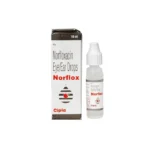
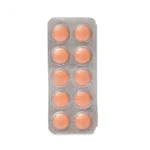
Norflox 400 mg (Norfloxacin)
Norflox 400mg is the brand name used for the drug Norfloxacin, which belongs to the class of fluoroquinolone antibiotics. It is widely used for treating bacterial infections by inhibiting the growth and multiplication of bacteria. Norfloxacin is effective against a broad spectrum of Gram-positive as well as Gram-negative bacteria, which makes it a versatile antibiotic for treating infections in different parts of the body. It is commonly prescribed when infections are caused by susceptible bacterial strains and when targeted antibacterial therapy is required.
Mechanism of Action
Norfloxacin works by inhibiting two key bacterial enzymes: DNA gyrase and topoisomerase IV. These enzymes are essential for DNA replication, transcription, and repair in bacteria. By blocking these enzymes, Norfloxacin prevents bacterial DNA from unwinding and duplicating, ultimately leading to bacterial cell death.
DNA Gyrase
• DNA gyrase is responsible for supercoiling bacterial DNA, which is an essential step for DNA replication.
• By inhibiting DNA gyrase, Norfloxacin prevents the DNA from properly coiling and uncoiling, which stops bacterial DNA replication.
• As a result, bacteria are unable to grow, divide, and reproduce effectively.
Topoisomerase IV
• Topoisomerase IV is involved in separating duplicated DNA strands during bacterial cell division.
• Norfloxacin inhibits this enzyme, preventing proper segregation of DNA into daughter cells.
• This disruption leads to failure in bacterial replication and eventually results in bacterial death.
By targeting these critical processes, Norfloxacin effectively stops bacterial growth and helps eliminate infection from the body.
Indications and Uses
Norfloxacin is primarily used for treating urinary tract infections (UTIs) and gastrointestinal infections, but it is also effective in managing various other bacterial infections. Its broad-spectrum activity makes it useful in multiple clinical conditions.
1. Urinary Tract Infections (UTIs)
• Norfloxacin is commonly used to treat uncomplicated UTIs such as cystitis (bladder infection) and pyelonephritis (kidney infection).
• These infections are often caused by bacteria such as Escherichia coli, Proteus, and Klebsiella.
• The drug helps eliminate bacteria from the urinary tract and relieves symptoms such as burning sensation, frequent urination, and discomfort.
2. Gastrointestinal Infections
• Norfloxacin is effective in treating bacterial gastrointestinal infections, including traveler’s diarrhea.
• It targets bacteria such as Shigella, Salmonella, and Escherichia coli.
• It helps reduce symptoms like diarrhea, abdominal pain, and dehydration associated with bacterial infections.
3. Prostatitis
• Norfloxacin is used in the treatment of bacterial prostatitis, which is an infection of the prostate gland.
• It helps reduce inflammation, pain, and urinary symptoms associated with prostate infections.
4. Skin and Soft Tissue Infections
• In certain cases, Norfloxacin may be prescribed for skin infections such as cellulitis, ulcers, or wound infections.
• This is especially when the causative bacteria are sensitive to fluoroquinolone antibiotics.
5. Respiratory Infections
• Although not the first-line treatment, Norfloxacin may be used in some respiratory tract infections caused by susceptible bacteria.
• It may be considered when alternative antibiotics are not suitable.
6. Preventive Use
• In some cases, Norfloxacin is used prophylactically to prevent infections in high-risk individuals.
• This includes patients with recurrent urinary tract infections or those with compromised immunity.
Dosage and Administration
Norflox 400 mg tablets are usually taken orally, either with or without food. However, for better absorption, it is generally recommended to take the medication on an empty stomach.
Standard Adult Dose
• The typical dosage for treating UTIs and other bacterial infections is 400 mg twice daily.
• The duration of treatment may vary depending on the severity and type of infection.
• In more serious infections, the dosage may be adjusted by the physician based on clinical response.
For Traveler’s Diarrhea
• The usual dosage is 400 mg twice daily for a duration of 3 days.
• This helps control symptoms quickly and prevents further complications.
For Prostatitis
• The recommended dosage is 400 mg twice daily.
• Treatment duration may extend up to 4 weeks depending on the severity of the infection and patient response.
Important Administration Guidelines
• Take the tablet with a full glass of water to reduce the risk of irritation in the throat or esophagus.
• Avoid consuming dairy products or calcium-rich foods close to the time of dosing, as they may interfere with drug absorption.
• Maintain proper hydration during the course of treatment.
Side Effects
Although Norflox 400 mg is generally well tolerated, it may cause side effects in some individuals.
1. Gastrointestinal Side Effects
• Nausea and vomiting
• Diarrhea (which may be severe, especially if caused by Clostridium difficile)
• Abdominal pain or discomfort
2. Central Nervous System Effects
• Headache (commonly reported, usually mild to moderate)
• Dizziness or lightheadedness
• Insomnia or sleep disturbances
• Tremors or confusion (rare, more common in elderly patients or those with kidney problems)
3. Allergic Reactions
• Rash, itching, or hives
• Swelling of the face, lips, or tongue (angioedema)
• Anaphylaxis (a severe allergic reaction requiring immediate medical attention)
4. Tendon and Musculoskeletal Effects
• Tendonitis or tendon rupture, particularly affecting the Achilles tendon
• Higher risk in elderly patients, those taking corticosteroids, and transplant patients
5. Liver and Kidney Effects
• Elevated liver enzymes or hepatitis (rare)
• Kidney impairment, especially in patients with existing kidney disease
6. Photosensitivity
• Increased sensitivity to sunlight
• Patients may experience sunburn more easily and should use sun protection
7. QT Prolongation
• Rarely, Norfloxacin may prolong the QT interval on ECG
• This can increase the risk of serious heart rhythm disturbances
Contraindications and Precautions
1. Hypersensitivity
• Patients with known allergy to Norfloxacin or other fluoroquinolones (such as ciprofloxacin or levofloxacin) should avoid this medication.
2. Children and Adolescents
• Not recommended for individuals under 18 years of age due to the risk of cartilage damage, unless absolutely necessary.
3. Pregnancy and Lactation
• Pregnancy: Not recommended unless the benefits outweigh potential risks.
• Breastfeeding: Generally avoided as the drug may pass into breast milk.
4. Tendon Disorders
• Use cautiously in patients with a history of tendonitis or tendon rupture.
• Discontinue use if tendon pain or swelling occurs.
5. Renal Impairment
• Dose adjustment may be required in patients with kidney dysfunction.
• Monitoring is necessary to prevent drug accumulation and toxicity.
6. Heart Conditions
• Use with caution in patients with QT prolongation or arrhythmias.
• Avoid combining with other QT-prolonging drugs unless necessary.
Drug Interactions
1. Antacids and Sucralfate
• Products containing aluminum, magnesium, or iron can reduce absorption.
• Take these products at least 2 hours apart from Norfloxacin.
2. Warfarin
• Norfloxacin may increase the anticoagulant effect of warfarin.
• Regular monitoring of PT/INR is recommended.
3. Corticosteroids
• Increased risk of tendon rupture when used together.
4. QT-Prolonging Drugs
• Combining with other QT-prolonging medications increases the risk of arrhythmias.
5. Cyclosporine
• May increase the risk of kidney toxicity.
• Kidney function should be monitored closely.
Monitoring and Follow-Up
• Kidney Function: Especially important in patients with pre-existing kidney conditions.
• Liver Function: Monitor liver enzymes during prolonged treatment.
• Signs of Tendonitis: Watch for pain, swelling, or inflammation, especially in the Achilles tendon. Discontinue medication if symptoms occur.



 Australia










Reviews
There are no reviews yet.