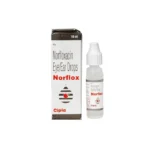
Norflox 200mg (Norfloxacin): Overview
Norflox 200mg is a medicine that includes Norfloxacin, it is which is a broad-spectrum fluoroquinolone-based antibiotic that is used for treating bacterial infections. It acts by reducing the enzymes of bacteria that are crucial to bacterial DNA replication, transcription, and repair. Through disrupting these processes, Norflox efficiently kills bacteria and stops their growth.
Norfloxacin is typically prescribed for treating a range of bacterial infections, including those that affect the urinary tract, the gastrointestinal system, and the respiratory tract.
Indications and Uses
Norflox 200mg is used primarily to fight illnesses caused by vulnerable bacteria. The most common ailments treated by Norfloxacin comprise:
1. Urinary Tract Infections (UTIs)
Norflox is usually prescribed to treat chronic cystitis (bladder infection) as well as Pyelonephritis (kidney disease), which is caused by bacterial infections such as Escherichia coli (E. coli) as well as Proteus species.
2. Gastrointestinal Infections
Also, it can be utilized to treat gastroenteritis that can result from different gram-negative bacteria such as Salmonella, Shigella, and Escherichia Coli.
Diarrhea of the traveler is often due to bacterial infections that occur in areas of low sanitation standards, is yet another disease that can be treated using Norfloxacin.
3. Respiratory Tract Infections
Norfloxacin is a drug utilized to treat a variety of bacterial infections of the respiratory system, such as bronchitis and pneumonia that is caused by bacteria susceptible to infection.
4. Prostatitis
In certain instances, Norflox may be prescribed for treating prostate infections caused by bacteria (prostatitis), usually in cases where other therapies have not worked.
5. Other Infections
Norfloxacin can be used to treat additional diseases caused by bacteria that are susceptible, such as soft tissue inflammation, intra-abdominal infections, and joint and bone inflammations.
Mechanism of Action
Norfloxacin acts by blocking the DNA Gyrase as well as topoisomerase IV enzymes found in bacteria. These enzymes are essential to the process of DNA replication, transcription, and repair. Through blocking these enzymes, Norfloxacin blocks bacteria from preserving their DNA’s structure, and also from growing, eventually leading to the death of their spores.
Since DNA gyrase It is only found in bacteria (and is not found in human cells), Norfloxacin selectively targets the bacterial cells, but has little impact on human cells.
Dosage and Administration
1. Typical Dosage
For Adults A typical dose of Norflox 200mg is 200 mg taken at least twice per every day (morning and in the evening) (morning and evening) based on the type of infection that is being taken care of.
The duration of treatment varies based on the kind of disease. For urinary tract infections, the treatment typically takes 3- 7 days, and gastrointestinal illnesses could take three to five days.
For some more grave infections, dosage can be altered or even combined with additional antibiotics.
2. Administration
Norflox tablets must be consumed whole and accompanied by the full amount of water. Ideally, you should take it with a full stomach (at least an hour before or 2 hours after eating). Consuming food may reduce the absorption and reduce its effectiveness.
It’s essential to drink lots of fluids when taking Norfloxacin, particularly in the case of urinary tract infections, to eliminate infections from the urinary tract.
3. Missed Dose
If a dose has been missed, you should take it as quickly as you remember, or until it’s almost time to get another dose. If so, do not take the dose that was missed and then resume the regular schedule. Don’t double the dosage to cover an absence.
Side Effects
Although Norflox 200 mg is usually well tolerated, it may cause adverse consequences. Some of the most serious and frequent negative side effects could be:
1. Common Side Effects
• Nausea and vomiting
• Diarrhea
• Headache
• Dizziness
• Fatigue
• Abdominal pain
2. Serious Side Effects
• Tendonitis and tendon rupture: Fluoroquinolones such as Norfloxacin have been linked to the risk of developing tendon rupture and tendonitis, especially in elderly adults or patients on corticosteroid therapy.
• QT interval prolongation: Norfloxacin could result in changes to the heart’s electrical activity. This can lead to the condition known as QT interval lengthening and may result in arrhythmias that are dangerous.
• Nerve damage (Peripheral neuropathy): Fluoroquinolones could cause nerve injury, which can cause symptoms such as numbness, tingling, or discomfort, especially in the feet and hands.
• Allergic Reactions: Sometimes, Norfloxacin may cause severe allergic reactions such as an itch, swelling, and breathing problems (anaphylaxis).
3. Gastrointestinal Effects
• It could cause irregular functions of the liver and elevated liver enzymes or jaundice (yellowing of the eyes or skin).
• Certain people can be affected by Clostridium difficile diarrhea, which is a form of severe diarrhea triggered by an increase in the number of colon-dwelling bacteria.
4. Central Nervous System Effects
• Confusion, hallucinations, and seizures are possible, but they are extremely rare.
• Sleepiness or sleep disturbances can also occur.
Precautions and Warnings
Before you take Norflox 200mg, it is crucial to notify your physician if you are suffering from one of the following ailments:
1. Allergies
If you’ve experienced a series of reactions that are allergic in the presence of fluoroquinolones or other elements of Norflox, you must avoid using the medication.
2. Heart Conditions
Patients with a background of heart disease, particularly arrhythmias, or who are taking medications that extend or increase the QT time, are advised to make use of Norfloxacin in moderation, since it can alter heart rhythm.
3. Kidney or Liver Disease
If you suffer from renal (kidney) or hepatic (liver) issues, dosage adjustments might be needed. Norfloxacin gets eliminated via the kidneys. Therefore, impaired kidney function could hinder its elimination from the body.
4. Tendon Issues
Norfloxacin increases the chance of tendonitis or rupture, most notably in individuals older than 60, who take corticosteroids, and those who have prior tendon issues.
5. Seizure Disorders
It is important to be cautious with those who have a history of seizures because Norfloxacin could reduce the risk of seizures.
Drug Interactions
Certain medicines are able to be incompatible with Norflox 200mg and alter the way it performs or may increase the chance of adverse effects. Some important drug interactions include:
1. Antacids and Supplements
Antacids, iron supplements, and zinc may interfere with the absorption of Norfloxacin. They should be consumed within 2 hours before or immediately after Norfloxacin.
2. Warfarin (Blood Thinner)
Norfloxacin could enhance the anticoagulant properties that are present in warfarin, which can lead to the risk of bleeding. Regular monitoring of blood clotting (INR) is suggested.
3. Corticosteroids
Corticosteroids combined with fluoroquinolones, such as Norfloxacin raises the chance of developing tendonitis as well as tendon rupture.
4. Antiarrhythmic Drugs
The use of drugs such as Amiodarone, as well as quinidine that alter the heart’s rhythm can increase the chance for QT interval extension when used with Norfloxacin.
5. Theophylline
Norfloxacin may increase concentrations of theophylline (used in the treatment of asthma as well as COPD), which could lead to toxic effects.
Who Should Not Take Norflox
Pregnancy and Breastfeeding
The use of Norfloxacin is not advised during pregnancy unless absolutely required because it could affect the fetus’s development. Also, it is not advised for breastfeeding because it could be absorbed through breast milk.
Children
The use of Norfloxacin is not generally recommended for infants younger than 18 years of age, other than in specific conditions, due to the possibility of tendon and joint problems.
Conclusion
Norflox 200mg (Norfloxacin) is an effective antibiotic to treat many bacterial infections, such as intestinal illnesses, as well as respiratory tract infections. But, like any antibiotic, you must follow your doctor’s prescriptions carefully to get the most effective results and to reduce any adverse side effects.
Patients need to be aware of possible risks like tendonitis, QT interval lengthening, or nerve injury, and speak with their healthcare physician if they are suffering from any medical conditions or have any other prescription medications.
Be sure to complete the whole treatment of Norflox according to the instructions so that the infection is completely addressed, even if symptoms worsen before the treatment has been completed.
















Reviews
There are no reviews yet.