
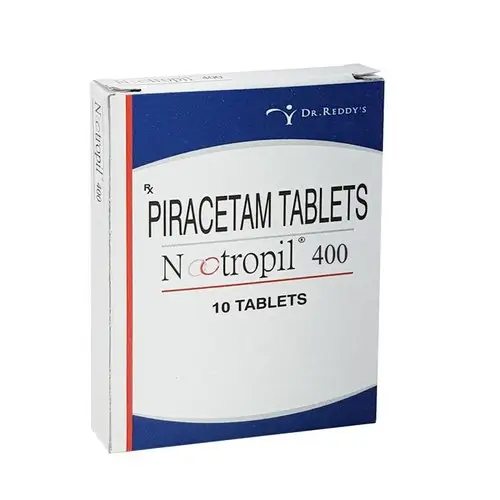
Nootropil 400mg (Piracetam)
Previous product
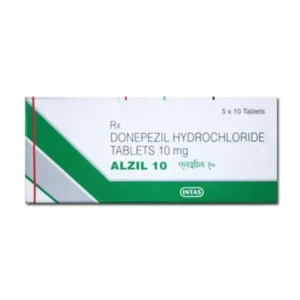
Alzil 10mg (Donepezil)
A$115.50 A$253.75Price range: A$115.50 through A$253.75
Next product

ED Duo Pack by Cipla 100/20 mg (Sildenafil/Tadalafil)
A$178.50 A$386.75Price range: A$178.50 through A$386.75
A$50.40 A$117.25Price range: A$50.40 through A$117.25
In Stock
In Stock
Nootropil 400mg (Piracetam)
| Pack Size | Price | Quantity | Add To Cart | |
|---|---|---|---|---|
| 30 Tablet/s | A$50.40 | |||
| 60 Tablet/s | A$80.50 | |||
| 90 Tablet/s | A$117.25 | |||
| Want to order in bulk / B2B price? Send Inquiry | ||||
×
Sorry!! Out of Stock
Sorry! Nootropil 400mg (Piracetam) is out of stock
Please click below to view other similar medications.
View All Piracetam Products
Offer You Can't Resist
Free Shipping
Enjoy Free Shipping on Orders above AUD304 (USD199)
Estimate Shipping :
16 June - 23 June
33
Last Updated on April 30, 2026

Description
Introduction to Nootropil (Piracetam)
Nootropil is a trademark term used to describe Piracetam an nootropic or enhancer of cognitive function that belongs to the group of racetam-related compounds. Piracetam is extensively used for its ability to enhance cognition and improve memory, as well as treat mental diseases. It is typically used for situations such as the condition known as dementia, Alzheimer’s disease, and the vascular impairment of cognitive function. Piracetam can be prescribed to people suffering from the condition of cerebral impairment, myoclonus, and various other ailments that cause impairment in mental functioning.
Piracetam is among the most researched nootropics, and even though it’s advertised for its cognitive benefits, its usage in the clinical setting is more well-established for treating medical issues that affect the brain’s function.
Mechanism of Action
Piracetam could be a factor via altering the neurotransmitter systems within the brain, specifically Acetylcholine, as well as glutamate. Acetylcholine, a neurotransmitter, is essential in memory development in learning, attention, and memory, and glutamate is a part of cognitive processes such as synaptic plasticity and memory.
Piracetam is thought to improve the flow of cerebral blood and increase oxygen consumption of brain cells, increasing cognitive ability of brain cells, especially in those with brain disorders or age-related cognitive decline.
The exact mechanism for its action isn’t fully comprehended; some most well-known results include:
- Improved memory and learning: Piracetam may improve the speed as well as accuracy in memory creation and retrieval.
- Neuroprotective effects: It can protect brain cells from injury, particularly in situations of decreased oxygen levels or stressors.
- Increased neuronal communication: Piracetam boosts neuroplasticity and allows the brain to create new neural connections as well as strengthen existing ones. This is essential for healthy cognitive functioning.
Indications and Uses
Nootropil (Piracetam 400mg) is typically prescribed for:
- Cognitive enhancement: Piracetam is most often used to enhance cognitive abilities like concentration, memory, and learning. The medication is usually prescribed for people who are elderly and suffer from an age-related decline in cognitive function, as well as slight cognitive impairment (MCI).
- Dementia and Alzheimer’s disease: Piracetam is often used in conjunction with other treatments to reduce cognitive decline for patients suffering from Alzheimer’s disease or any other form of dementia.
- Myoclonus (muscle jerks): Piracetam is used for treating myoclonus, which is an illness that is characterized by abrupt muscle jerks that are involuntary or cause spasms. The drug has been shown to decrease the frequency and severity of the muscle movements.
- Cerebral insufficiency: Piracetam is prescribed to patients with an insufficient flow of blood into the brain. This can be the case due to conditions such as stroke or vascular disease, for improving cognition.
- Vertigo: In certain instances, Piracetam is used to combat dizziness and vertigo related to vestibular disorders. However, its efficacy in this regard isn’t as well-proven.
Dosage and Administration
The usual dosage of Piracetam (Nootropil) may vary depending on the illness that is being treated, as well as how the patient responds to the drug. In the case of Nootropil 400mg, typical doses are:
- For cognitive enhancement and age-related cognitive decline: The usual starting dosage typically ranges from 1200mg to 4800mg daily, split into three dosages. It is possible to adjust the dosage depending on the person’s requirements and tolerance.
- For myoclonus: The usual dosage range is 7,200mg up to 24,000 mg per day, divided into multiple dosages depending on how severe the disease is.
- For vascular cognitive impairment or dementia: The usual dose is 1200 mg per day and gradually increases, but adjustments are determined by the response of patients.
Administration: Nootropil (Piracetam) can be purchased in capsules, tablets, and oral solution. The capsules and tablets should be consumed either with or without food. It is recommended that you take them regularly in order to keep the blood levels of the medication.
Important Note: It is essential to adhere to the dose prescribed by your doctor and not change the dose without consulting a physician. Piracetam can be decreased gradually in the event of discontinuation to reduce withdrawal-related signs.
Side Effects
Piracetam is usually well-tolerated; nevertheless, as with all medicines, there are potential adverse reactions, particularly in people who are taking greater doses or who have illnesses. The most common and less serious adverse effects could be:
- Headache: It is among the most frequent adverse effects, and it is possible to alleviate it by changing the dose.
- Nausea or upset stomach
- Dizziness or lightheadedness
- Fatigue or sleep disturbances (e.g., insomnia)
- Anxiety or restlessness
- Diarrhea or other gastrointestinal issues
- Tremors or muscle stiffness
Serious side effects are rare but can include:
- Severe allergic reactions: These may include signs like an itch, itching, swelling of the face or throat, and trouble breathing.
- Psychiatric effects: For some people, particularly in higher doses, Piracetam may trigger mood fluctuations, irritability, anxiety, and hallucinations.
- Kidney-related issues: Piracetam must be treated cautiously in patients who have preexisting kidney issues that are preexisting because it is mostly eliminated through the kidneys. Kidney function must be checked throughout the course of treatment.
Contraindications
Piracetam should not be used or administered with care or caution in the following individuals:
- Hypersensitivity to Piracetam: If someone suffers from an allergy to Piracetam or one of its ingredients, the patient should avoid the drug.
- Severe renal impairment: Because Piracetam is excreted via the kidneys, it must be taken with caution when used when a patient has the condition of renal insufficiency or kidney disease. It is possible to make dosage adjustments.
- Bleeding disorders: Piracetam can increase the risk of bleeding among people suffering from diseases such as hemophilia or who are taking blood thinners.
- Pregnancy and breastfeeding: Piracetam is considered a category C medication in pregnancy. This means that it’s only used when the benefits are greater than the risk. The use of piracetam isn’t recommended when nursing unless it is essential.
Drug Interactions
Piracetam could interfere with other drugs that may reduce effectiveness, or increase the chance of adverse effects:
- Anticoagulants: Piracetam can increase the risk of bleeding when it is used in conjunction with blood-thinning drugs such as warfarin, aspirin, and any other antiplatelet medications.
- Thyroid hormones: Piracetam may be a complication with thyroid medications, and could require changes to dosage.
- Anticonvulsants: Because Piracetam is commonly employed as a supplement to treat epilepsy, mixing the drug with anticonvulsants could need careful surveillance.
- Other CNS stimulants or sedatives: Combining Piracetam along with other medicines that affect the nervous system of the central nerve (such as the benzodiazepines, antidepressants, and psychotropics) could require dosage adjustments as well as careful monitoring to avoid excessive sedation and excessive stimulation.
Patient Monitoring and Considerations
Patients taking Piracetam (Nootropil), especially with higher doses or for longer periods of time, must have regular checks:
- Kidney function: Because Piracetam is excreted through the kidneys, renal function must be examined, particularly in patients with current renal issues or those who are elderly.
- Cognitive function: When patients are taking Piracetam for the treatment of cognitive decline, the cognitive capacity of these patients is regularly assessed to determine the efficacy of the drug.
- Psychiatric monitoring: The signs of mood fluctuations and irritability or other mental symptoms must be observed, particularly when the dosage is increased.
- Drug interactions: If a patient is on various medications, interactions of Piracetam must be analyzed to ensure that there are no potential issues.
Overdose
If you suffer from a case of Piracetam, the symptoms could include anxiety, restlessness, and excessive activity. A severe overdose could cause nerve system disorders, like tremors, dizziness, and seizures. If there is an overdose, medical assistance should be sought. Assistance is generally administered, and dialysis could be considered in the most extreme instances, since Piracetam is eliminated via the kidneys.
Conclusion
Nootropil 400mg (Piracetam) is a cognition stimulant that can be used for a range of therapeutic purposes that include the treatment of the decline in cognitive function caused by age, as well as myoclonus, dementia, and other disorders of the brain. It helps improve neural communication, improving memory, as well as protecting the brain against damage.
Although Piracetam is generally considered safe, it is best used at a moderate rate in people suffering from kidney problems or those taking blood thinners. A regular monitoring program, particularly in the long term, will ensure that it is achieving its intended effect, without undesirable side effects. When used properly and with medical supervision, Piracetam could be an effective instrument for improving cognition as well as managing a variety of neurological disorders.
Related products







Recently Viewed
Reviews
There are no reviews yet.