

Nicardia Retard 10mg (Nifedipine)
Previous product

Nicardia Retard 20mg (Nifedipine)
A$23.80 A$39.20Price range: A$23.80 through A$39.20
Next product
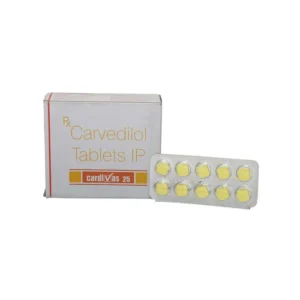
Cardivas 25mg (Carvedilol)
A$23.10 A$45.50Price range: A$23.10 through A$45.50
A$14.00 A$28.00Price range: A$14.00 through A$28.00
In Stock
In Stock
Nicardia Retard 10mg (Nifedipine)
| Pack Size | Price | Quantity | Add To Cart | |
|---|---|---|---|---|
| 60 Tablet/s | A$14.00 | |||
| 90 Tablet/s | A$21.00 | |||
| 120 Tablet/s | A$28.00 | |||
| Want to order in bulk / B2B price? Send Inquiry | ||||
×
Sorry!! Out of Stock
Sorry! Nicardia Retard 10mg (Nifedipine) is out of stock
Please click below to view other similar medications.
View All Nifedipine Products

Offer You Can't Resist
Free Shipping
Enjoy Free Shipping on Orders above AUD304 (USD199)
Estimate Shipping :
08 June - 15 June
26
Last Updated on April 30, 2026

Description
Nicardia Retard 10mg (Nifedipine): A Comprehensive Overview
Nicardia Retard 10mg is a medicine that is a source of Nifedipine. It’s an inhibitor of calcium channels used for treating cardiovascular diseases, including hypertension, as well as angina pectoris (chest discomfort). Nifedipine is a proven medicine that acts by relaxing and expanding blood vessels. This reduces the burden on the heart and also improves the flow of blood.
This article gives a thorough knowledge of Nicardia Retard 10mg (Nifedipine) Its mechanism of action, its uses and dosage, possible side reactions, warnings, and many more.
Mechanism of Action
Nifedipine is the active ingredient in Nicardia Retard. It is part of a group of medicines referred to as dihydropyridine calcium channel blockers. They work by preventing the flow of calcium ions into the vascular smooth muscle cells as well as heart muscle cells. Calcium is an essential component of the contraction of muscles, and when it is not able to enter, it causes contraction in blood vessels.
The principal actions of Nifedipine comprise:
- Vasodilation: Through blocking calcium channels, Nifedipine loosens the muscles that line the blood vessels, specifically within the blood vessels, particularly in the. It causes blood vessels to expand (dilate), which lowers blood pressure.
- Reduced cardiac workload: The heart isn’t required to work as hard to circulate blood through dilated blood vessels. Nifedipine could aid in reducing chest pain that is associated with angina. Additionally, it can reduce the stress on the heart.
- Improved oxygen supply to the heart: Dilation in the coronary vessels improves the circulation of blood into the muscle of your heart, giving it increased oxygen levels, which are particularly beneficial in reducing the symptoms of angina.
Indications
Nicardia Retard 10mg can be utilized to treat a range of conditions that affect the cardiovascular system, such as:
- Hypertension (High Blood Pressure): Through relaxing blood vessels, Nifedipine reduces blood pressure. This can help lower the chance of problems such as a heart attack, stroke, or damage to the kidneys.
- Angina Pectoris (Chest Pain): Nifedipine can be effective in the treatment of unstable angina (chest discomfort caused by stress or exercise) as well as different forms of angina (Prinzmetal angina that is caused by spasms within the coronary arteries). In addition, increasing the circulation of blood towards the heart, it can help relieve chest pain and decrease the number of attacks of angina.
- Raynaud’s Phenomenon: In certain instances, Nifedipine is used to help treat Raynaud’s disease, which is a condition in which blood vessels within the toes and fingers narrow, resulting in decreased circulation and occasional painfulness and color shifts.
- Prevention of Migraines: Although it is not the primary reason for its use, Nifedipine may sometimes be employed off-label to prevent migraine because it may boost blood flow and lessen the constriction of the arteries.
Dosage and Administration
The recommended dosage of Nicardia Retard 10mg is set by the particular illness being treated, as well as the person’s medical history and the response they have to the drug. It is recommended for most ailments. is usually administered in the form of a prolonged-release tablet that is, which slowly releases the medication as time passes.
Typical Dosages:
- Hypertension: The recommended starting dosage is 10 mg twice daily. The dosage can be slowly increased in line with the blood pressure of the patient, and a standard daily dose of 10-20 mg daily. Sometimes there are higher doses that can be utilized; however, the maximum dosage recommended is usually 40 mg per day.
- Angina: A common starting dose for angina can be 10 mg once a day, and the dosage is varied based on the efficiency and tolerability.
- Raynaud’s Phenomenon: The dose for the condition can differ in the course of treatment, but is usually within the 10 mg to 20 mg range.
It is essential to consume Nicardia Retard 10mg by drinking a large glass of fluid, and the tablet shouldn’t be chewed or broken up because the tablet is made for slower release.
Side Effects
As with all medicines, Nicardia Retard 10mg may cause adverse effects. But not all people experience them. The majority of side effects are minor and short-lived, while there are some that can be more severe.
Common Side Effects:
- Headache: It is a common problem, and is most often experienced in the first few days of taking the drug.
- Dizziness: As a result of the effects of blood pressure lowering some people might experience dizziness or lightheadedness, particularly when standing rapidly.
- Flushing: An achy, tingling sensation around the neck and face is typical.
- Swelling (Edema): The swelling of ankles and feet or the lower legs may be because of swelling of the ankles, feet, or lower legs due to fluid retention.
- Fatigue: A few people might feel extremely tired or lethargic.
- Palpitations: Increased awareness of the heartbeat or a pulse that is irregular.
Rare but Serious Side Effects:
- Severe allergic reactions: The symptoms can be the appearance of a rash, itching, and swelling (especially on the lips, face, or tongue), and breathing difficulties. It is considered an emergency medical condition.
- Hypotension (Low Blood Pressure): An excessive reduction in blood pressure could result in fainting, dizziness, or even shock.
- Liver problems: In rare instances, Nifedipine could alter liver function and may result in jaundice (yellowing of eyes and skin), dark urine, or abnormal fatigue.
- Heart problems: Though it’s not a common occurrence, there are instances where patients may be affected by a deterioration of heart disease, particularly those with serious heart problems.
If you experience any serious side effects or signs of an allergic reaction develop medical attention must be sought out immediately.
Precautions and Warnings
Before starting Nicardia Retard 10mg, it is important to be aware of the following warnings:
- Allergy: Individuals who are allergic to Nifedipine or any other ingredient that makes up Nicardia Retard should not take Nicardia Retard.
- Heart Conditions: Patients suffering from heart failure, aortic stenosis, or other major heart problems should take Nifedipine with caution, since it could affect heart function.
- Liver and Kidney Disorders: If you are suffering from kidney or liver disease, it is important to inform your doctor, since the conditions can affect the way in which drugs are processed and removed from your body.
- Pregnancy and Breastfeeding: Nifedipine is only recommended in pregnancy when the possible positive effects outweigh any potential risks to the foetus. The usual recommendation is to avoid it when breastfeeding due to the fact that it is absorbed through breast milk.
- Drug Interactions: Nifedipine It can also interact with other drugs, such as:
- Beta-blockers (e.g., atenolol, metoprolol), that could increase the risk for low blood pressure, which can increase the risk.
- Cimetidine, as well as other medications that alter liver enzymes, may change the way that Nifedipine is processed.
- Antifungal medications (e.g., ketoconazole) and HIV protease inhibitors (e.g., ritonavir) may increase the levels of Nifedipine in the bloodstream, which increases the chance of having side effects.
- Alcohol: Alcohol consumption while taking Nifedipine could increase its blood pressure-lowering properties and raise the chance of fainting or dizziness.
Effectiveness of Nicardia Retard
Nicardia Retard (Nifedipine) is extremely effective in the management of hypertension as well as angina, as its slow-acting formulation ensures consistent blood pressure levels. This reduces dosage frequency and makes it simpler for patients to adhere to the treatment plan. Research has proven that Nifedipine assists in lowering both diastolic and systolic blood pressure, and dramatically decreases the severity and frequency of angina-related episodes.
The extended-release formulation (Retard) reduces the chance of adverse reactions that may occur when using Nifedipine that is released immediately, like an abrupt drop in blood pressure or heart palpitations.
Conclusion
Nicardia Retard 10mg (Nifedipine) is an efficient and reliable medication to treat cardiovascular issues such as angina and hypertension. It helps relax blood vessels, lessening the workload of the heart, as well as increasing blood flow into the heart. Although generally it’s harmless, it’s important to follow the doctor’s advice on dosage as well as potential adverse consequences.
Before taking Nicardia Retard it is essential to have an extensive consultation with your physician, in particular if you suffer from an existing health condition or are on other medications. Regular monitoring of the kidneys, blood pressure, and liver function could be required while taking Nicardia Retard.
Related products








Recently Viewed




Reviews
There are no reviews yet.