

Nemdaa 5mg (Memantine)
Previous product
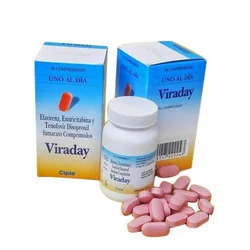
Viraday 300/200/600mg
$90.00 $245.00Price range: $90.00 through $245.00
Next product
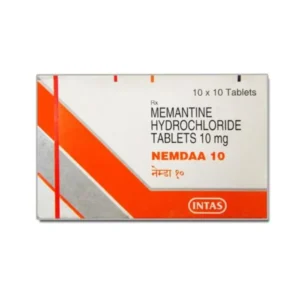
Nemdaa 10mg (Memantine)
$21.00 $46.00Price range: $21.00 through $46.00
$16.00 $34.00Price range: $16.00 through $34.00
In Stock
In Stock
Nemdaa 5mg (Memantine)
| Pack Size | Price | Quantity | Add To Cart | |
|---|---|---|---|---|
| 30 Tablet/s | $16.00 | |||
| 60 Tablet/s | $24.00 | |||
| 90 Tablet/s | $34.00 | |||
| Want to order in bulk / B2B price? Send Inquiry | ||||
×
Sorry!! Out of Stock
Sorry! Nemdaa 5mg (Memantine) is out of stock
Please click below to view other similar medications.
View All Memantine Products
Offer You Can't Resist
Free Shipping
Enjoy Free Shipping on Orders above AUD304 (USD199)
Estimate Shipping :
07 June - 14 June
35
Last Updated on April 30, 2026

Description
What is Nemdaa (Memantine)?
Nemdaa is the trademark name that is used for Memantine. Memantine is a medicine that is employed in the treatment of Alzheimer’s disease. Memantine is an NMDA receptor antagonist, which means it acts by altering a chemical in the brain called glutamate. Glutamate plays a role in various processes such as memory and learning, and an imbalance in glutamate may contribute to signs of Alzheimer’s. In addition, by regulating glutamate’s activity, memantine aids in reducing the symptoms of this disease.
Memantine is often prescribed for mild to severe Alzheimer’s disease. It is also used in combination with other Alzheimer’s drugs such as donepezil (Aricept) to improve general efficacy.
Mechanism of Action
Memantine works by blocking the NMDA (N-Methyl-D-Aspartate) receptor, which plays a central role in the action of glutamate. Glutamate is one of the brain’s neurotransmitters with the highest concentration and has a crucial role to play in cognitive function, learning, and memory. In Alzheimer’s disease, the glutamate function is impaired, which leads to an overactivation of NMDA receptors. The over-activation of NMDA receptors can result in neuronal damage, which can exacerbate symptoms.
In addition, by altering NMDA receptors, memantine aids in limiting excessive glutamate production by reducing neuronal excitotoxicity and safeguarding brain cells against damage. It does not fully inhibit glutamate; rather, it manages its effects, assisting in improving cognitive performance with no significant adverse side effects typically encountered with other forms of glutamate antagonists.
Indications for Use
Memantine is licensed for these uses:
- Alzheimer’s Disease:
- Moderate to Severe Alzheimer’s: Memantine is prescribed for the treatment of mild to extreme stages of Alzheimer’s, helping to improve cognitive functioning and slowing down the speed of decline in patients who have the disease.
- Vascular Dementia:
- While not all of the time allowed for use in patients with the case of vascular dementia (a type of dementia that is which is caused by decreased cerebral blood flow), memantine has proven the potential of improving cognition as well as everyday functioning for some people who suffer from vascular dementia.
- Parkinson’s Disease Dementia:
- Memantine can be used in a variety of ways in conjunction with Parkinson’s disease. However, evidence to support the use of this drug in this context is weaker than that for the Alzheimer’s condition.
- Other Cognitive Disorders:
- There are several off-label uses of memantine in various cognitive disorders. However, they aren’t FDA-approved, and must be discussed with a health doctor.
Dosage and Administration
Nemdaa (Memantine) can be found in various dosage forms comprising oral solutions, tablets extended-release capsules, and oral solutions. The recommended starting dose for memantine to treat Alzheimer’s diseases generally 5 mg per daily which increases gradually throughout the course of several weeks. It is common to achieve a dosage in the range of 20 mg daily in extended-release formulas (or at least 20 mg daily divided doses in immediate-release formulations).
Recommended Dosing Schedule:
- Week 1: 5 mg once daily
- Week 2: 5 mg twice daily
- Week 3: 10 mg once daily
- Week 4: 10 mg twice daily
- Week 5: 15 mg once daily
- Week 6 and onward: 20 mg once daily (for extended-release formulation)
The dosage can be altered based on the patient’s individual tolerance and reaction. Patients with moderate impairment of the kidneys (e.g., CrCl 30 – 59 mg/min) the dose must be minimized, because memantine’s excretion is mostly via the kidneys.
Side Effects
Like other medications, Nemdaa (Memantine) can produce adverse consequences. But not all suffer from these. Common side effects are:
- Dizziness: An often-reported side effect, particularly in situations where you stand up fast, is lower blood pressure.
- Headache: Most often, it is mild and only temporary.
- Constipation: An issue that is common in the gastrointestinal tract that is caused by memantine.
- Confusion: Certain patients might be confused for a short period, particularly at the beginning of taking the medication, or when increasing the dosage.
- Fatigue: You’re feeling a bit tired or dehydrated.
- Coughing: The cough is dry and persistent. It was reported in a number of patients.
Serious Side Effects:
While rare, grave side effects could happen, which include:
- The hallucinations or severe confusion are especially common in patients who have existing mental health conditions.
- Severe dizziness or fainting, indicating a possible drop in blood pressure.
- Allergies, including the appearance of skin rashes, swelling, or breathing difficulties.
If you suffer from one of these severe negative side effects, it’s crucial to speak with a medical expert promptly.
Drug Interactions
Memantine is a drug that interacts with many other drugs, and this could cause an increase in adverse effects or a decrease in its efficacy. The potential interactions with other drugs include:
- Amantadine: A different NMDA receptor antagonist. Combining memantine with amantadine could raise the chance of adverse symptoms like confusion or dizziness.
- Dantrolene: It is used to treat muscle spasms. It can raise the likelihood of serious side effects if used in conjunction with memantine.
- Cimetidine: The medication, utilized to lower stomach acid, may boost the amount of memantine levels in the blood, and also increase the likelihood of adverse effects.
- Other CNS depressants: Memantine in combination with other central nervous system stimulants (like benzodiazepines) can cause excessive dizziness or drowsiness.
Special Considerations
- Renal Impairment: Because memantine is mostly excreted by the kidneys, it must be taken with care in people who suffer from kidney impairment. The dosage may have to be adjusted in patients who suffer from renal impairment.
- Hepatic Impairment: Memantine, while less in the path of liver disease, it is advised to keep a close eye on those suffering from liver problems.
- Pregnancy and Breastfeeding: Memantine’s safety in the course of pregnancy and nursing is not well established, and therefore, it’s suggested only in cases where the benefits exceed the risk.
- Pediatric Use: Memantine isn’t recommended for use by kids, and the efficacy and safety for the pediatric population have not been proven.
Effectiveness of Memantine in Alzheimer’s Disease
Although memantine isn’t a cure for Alzheimer’s, it has been proven to have numerous benefits for people suffering from moderate to extreme forms of the disease. The main benefits are:
- Improved Cognitive Function: Research has shown that memantine may help to enhance or stabilize cognitive issues in patients suffering from Alzheimer’s, specifically in the areas of attention, memory, and problem-solving.
- Better Daily Functioning: Apart from cognitive improvement in patients, memantine may help them retain their ability to do daily tasks like dressing, eating, and bathing.
- Slowing Disease Progression: Memantine can slow down the decline of cognitive capabilities and functional independence. However, it doesn’t end or reverse the condition.
- Behavioral Symptoms: For some patients, memantine may help decrease aggressive behavior as well as anxiety, agitation, and stress, which are often associated with advanced Alzheimer’s disease.
But the effects of it are different from patient to patient. While some patients notice significant improvement, others might only experience modest improvements.
Conclusion
Nemdaa (Memantine) is an effective treatment option in dealing with moderate to severe Alzheimer’s disease. It provides some relief from symptoms and could improve the quality of life for people suffering from this debilitating illness. While it cannot cure Alzheimer’s, it does assist in slowing the progression of the disease as well as reducing symptoms of cognitive and behavioral issues. Similar to any other medication, caregivers and patients must be aware of any adverse effects and work with health professionals to modify dosage as required.
Related products

Recently Viewed

Reviews
There are no reviews yet.