

Neksium 40mg (Esomeprazole)
Previous product
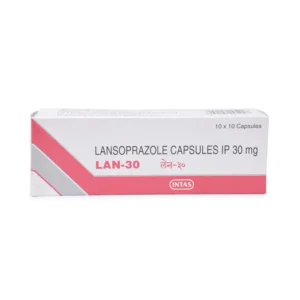
Lan 30mg (Lansoprazole)
$20.00 $33.00Price range: $20.00 through $33.00
Next product
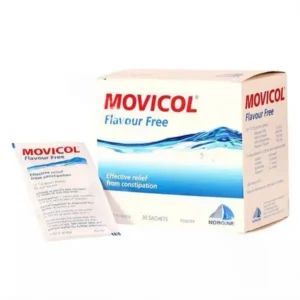
Movicol (Polythylene Glycol)
$70.00 $195.00Price range: $70.00 through $195.00
$27.00 $48.00Price range: $27.00 through $48.00
In Stock
In Stock
Neksium 40mg (Esomeprazole)
| Pack Size | Price | Quantity | Add To Cart | |
|---|---|---|---|---|
| 60 Tablet/s | $27.00 | |||
| 90 Tablet/s | $38.00 | |||
| 120 Capsule/s | $48.00 | |||
| Want to order in bulk / B2B price? Send Inquiry | ||||
×
Sorry!! Out of Stock
Sorry! Neksium 40mg (Esomeprazole) is out of stock
Please click below to view other similar medications.
View All Esomeprazole Products

Offer You Can't Resist
Free Shipping
Enjoy Free Shipping on Orders above AUD304 (USD199)
Estimate Delivery :
23 September - 30 September
43
Great customer service
Armod 150 Mg product is the best. As well as modalertaustralia.com is a reliable store and this store provides high quality and fast delivery.
 Australia
February 19, 2025
Response from Modalertaustralia
Thanks for the amazing feedback! Glad you’re happy with Armod 150 Mg and our fast, reliable service. We appreciate your support!
Last Updated on April 30, 2026

Description
Introduction
Neksium 40mg is a trademark for the drug esomeprazole, an anti-inflammatory medication that is commonly used to treat several stomach issues. Esomeprazole belongs to a category of medicines called proton pump inhibitors (PPIs) and reduces the quantity of acid that is produced by the stomach. In turn, it is typically prescribed to treat gastroesophageal reflux disorder (GERD) as well as Zollinger-Ellison Syndrome, peptic ulcers, and many other similar disorders.
In this post, we’ll look at the effects, uses, mechanism, adverse consequences, the need for precautions, and other important issues associated with Neksium 40mg (esomeprazole).
What is Neksium (Esomeprazole)?
It is also known as Neksium (esomeprazole) is drug that reduces stomach acid by blocking the proton pump in the stomach lining. Proton pumps are responsible for releasing gastric acid into the stomach. Through blocking the proton pump, esomeprazole assists in decreasing the acidity of the stomach as well as providing relief from the effects of acid.
Esomeprazole is an S-enantiomer of omeprazole and is a known proton pump inhibitor. This form of enantiomer (S-omeprazole) offers improved pharmacokinetics when compared to omeprazole. Providing greater efficacy for the treatment of certain patients.
It is usually offered in tablets or an injection in the form of 40 mg, with that dosage being among the strengths most commonly that is prescribed. Tablets are typically consumed once a day, usually after meals for maximum efficacy.
Common Uses of Neksium (Esomeprazole)
Neksium 40 mg is prescribed for different gastrointestinal disorders. Some of them include:
Gastroesophageal Reflux Disease (GERD)
GERD is a condition in which stomach acid is frequently pumped through the esophagus, creating discomfort and irritation. The backflow, also known as acid reflux, can result in symptoms like regurgitation, stomach discomfort, and trouble taking in food. Nexium helps to reduce the production of acid within the stomach, thus stopping acid reflux as well as aiding in the healing of the throat.
Peptic Ulcers
Peptic ulcers can cause sores within the linings that surround the stomach, the small intestine, or the esophagus as a result of excessive acidity in the stomach. The ulcers may cause discomfort, nausea, and bleeding in more severe instances. Neksium helps to speed up healing by decreasing acid production as well as guarding the stomach’s lining.
Helicobacter pylori Eradication
In a few cases Peptic ulcers can be due to an infection of the bacterium Helicobacter pylori (H. Pylori). Neksium is frequently employed in conjunction with antibiotics in order to eliminate the bacteria and avoid an increase in ulcers.
Zollinger-Ellison Syndrome
Zollinger-Ellison syndrome is an uncommon disease that manifests as the excessive production of gastric acid as a result of pancreatic tumors or the duodenum. Neksium can be used to manage the overproduction of acid when it occurs, reducing symptoms while preventing complications.
Prevention of Stomach Ulcers in Patients Using NSAIDs
Nonsteroidal anti-inflammatory medications (NSAIDs) such as ibuprofen may cause harm to the stomach lining, which can lead to ulcers. Neksium can lower the chance of developing ulcers for those who need ongoing NSAID treatment.
Mechanism of Action
Esomeprazole acts by blocking the proton pump (H+/K+ ATPase) within the stomach lining. This is the pump responsible for the last step in the creation of gastric acid. In blocking this pump, esomeprazole reduces the production of stomach acid.
Since it acts upon the proton pump, it is commonly called a “proton pump inhibitor” (PPI). Because of this inhibition, general acidity within the stomach is reduced, helping to ease acid reflux symptoms as well as prevent ulcers. It can also enable the healing of damaged tissues of the stomach and esophagus.
The effects of Esomeprazole typically manifest within an hour after taking it, with its maximal effect occurring within one to two hours. It has a half-life that ranges from 1 to 1.5 hours. However, its acid-suppressing properties last longer, often lasting at least 24 hours.
Dosage and Administration
The dose that is typical dose for Neksium (esomeprazole) in adults can be found at 40mg once daily. The exact dose can differ based on the specific condition that is being treated:
- GERD: 20-40 mg once a day for 4-8 weeks, based on the degree of illness.
- Peptic Ulcers: 20-40mg daily, for four to eight weeks.
- H. pylori Eradication: 20 mg twice a day, in conjunction with an antibiotic treatment.
- Zollinger-Ellison Syndrome: Doses range between 40mg and 120mg daily, based on the patient’s reaction.
Tablets should be taken in whole form and not taken in a chewing or crushing form. It is recommended to take them early in the day, and preferably 30-60 minutes prior to meals to maximize the effect.
Side Effects of Neksium (Esomeprazole)
As with all medications, Neksium can cause side effects, but not everyone has them. Common side effects are:
Common Side Effects
- Headache: Common side effects that people may encounter most often during the first couple of days following treatment.
- Diarrhea: Another frequent side effect that is not uncommon, but it’s usually short-lived and only temporary.
- Nausea and Vomiting: There are times when people feel nauseated at first, particularly after starting the drug.
- Flatulence: Excess gas or bloating can happen to some people.
Serious Side Effects
While rare, a few severe side effects could be a result of:
- Kidney Problems: The long-term consumption of PPIs such as Nexium could increase the risk of damage to the kidneys and failure.
- Bone Fractures: In the long run, PPI consumption has been associated with increased risks of fractures to bones, particularly for older people.
- Clostridium difficile Infection: An infection that could be life-threatening in the colon.
- Low Magnesium Levels: The long-term use of PPIs could result in decreased magnesium levels that can cause manifestations like muscle spasms, heartbeat irregularity, and seizures.
Allergic Reactions
Certain individuals might experience an allergic reaction to esomeprazole, manifesting as rash, itching, difficulty breathing, or swelling in the lips, face, or throat. It is imperative to seek medical attention immediately in the event of these symptoms.
Drug Interactions
Esomeprazole is a drug that interacts with a variety of drugs, reducing their effectiveness or causing more negative side effects. Some important drug interactions include:
- Clopidogrel: Esomeprazole can reduce the efficacy of clopidogrel, which is a blood thinner, by inhibiting the process of activation.
- Warfarin: It is recommended to be cautious while taking esomeprazole in combination with warfarin because it can increase the chance of bleeding.
- Diazepam and Phenytoin: Neksium can increase levels of these substances in the blood, possibly leading to toxic effects.
- Methotrexate: Higher methotrexate levels, one of the chemotherapy drugs, could result from using PPIs and can result in an increased danger of toxic effects.
Patients must inform their health care physician of every medication they take at present that includes prescription drugs, as well as herbal supplements and vitamins, in order to avoid possible interactions.
Precautions and Warnings
Certain people should take care when using Neksium in moderation or avoid the drug altogether. They include:
- Pregnancy and Breastfeeding: Even though esomeprazole is classed as a category C drug (not proven safe in pregnancy) It should only be considered if the advantages outweigh the potential risks. It’s not known how much esomeprazole can be absorbed by breast milk. Thus, it is recommended to be cautious.
- Liver Disease: Esomeprazole is converted into metabolites by the liver. Those with liver problems might require dosage adjustments.
- Long-term Use: Long-term usage of PPIs like Neksium could raise the risk of a variety of diseases, such as osteoporosis, stomach infections, and kidney diseases. So, any long-term use of the drug should be monitored by a medical physician.
Conclusion
It is a drug called Neksium (esomeprazole), which is an efficient proton pump inhibitor, which is utilized for treating a variety of acid-related digestive disorders. Due to its capability of reducing stomach acid levels, it can provide relief from the symptoms of GERD and various other conditions that cause acid overproduction. But, as with all medicines is associated with the risk of negative effects as well as interactions that must be properly taken care of. Patients must follow their medical physician’s advice closely and notify any concerns or symptoms that are unusual while receiving the course of treatment.
Additional Information
| Manufacturer | AstraZeneca Pharma India Ltd |
|---|---|
| Pharmaceutical | Tablet/s |
| Strength | 40 mg |
| Pack Size | 120 Tablet/s, 60 Tablet/s, 90 Tablet/s |
Related products

Reviews
There are no reviews yet.