

Natrise 15mg (Tolvaptan)
Previous product
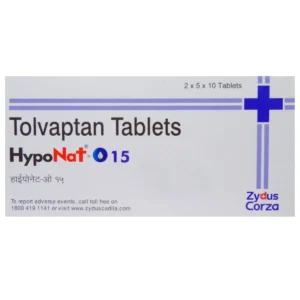
Hyponat O 15 mg (Tolvaptan)
A$86.64 A$158.84Price range: A$86.64 through A$158.84
Next product
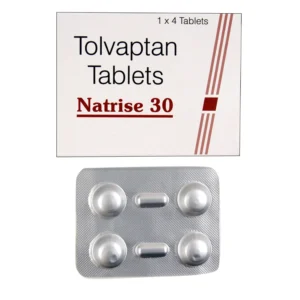
Natrise 30mg (Tolvaptan)
A$288.80 A$808.64Price range: A$288.80 through A$808.64
A$145.84 A$392.77Price range: A$145.84 through A$392.77
In Stock
In Stock
Natrise 15mg (Tolvaptan)
| Pack Size | Price | Quantity | Add To Cart | |
|---|---|---|---|---|
| 28 Tablet/s | A$145.84 | |||
| 56 Tablet/s | A$274.36 | |||
| 84 Tablet/s | A$392.77 | |||
| Want to order in bulk / B2B price? Send Inquiry | ||||
×
Sorry!! Out of Stock
Sorry! Natrise 15mg (Tolvaptan) is out of stock
Please click below to view other similar medications.
View All Tolvaptan Products
Offer You Can't Resist
Free Shipping
Enjoy Free Shipping on Orders above AUD304 (USD199)
Estimate Shipping :
20 July - 27 July
44
Last Updated on April 30, 2026

Description
Introduction
Natrise 15mg (Tolvaptan) is a selective vasopressin V2 antagonist, which is used primarily to treat ailments associated with fluid imbalance, particularly in those suffering from diseases such as hyponatremia (low sodium levels) and autosomal dominant polycystic renal disease (ADPKD). Natrise plays an essential part in rectifying the fluid imbalance within your body by reducing vasopressin’s actions, the hormone that regulates the equilibrium of salt and water in the kidneys. It is generally used when other therapies or lifestyle adjustments are not able to produce the results you want.
Mechanism of Action
Tolvaptan acts by blocking vasopressin V2 receptors within the kidneys. Vasopressin, which is a hormone that aids in controlling water retention by encouraging the absorption of water from kidney collecting ducts, interacts with these receptors. If tolvaptan blocks these receptors, it stops vasopressin’s effects from taking effect and causing an increase in the production of urine as well as a reduction in the quantity of water absorbed in the human body. This can help correct hyponatremia as well as control conditions like ADPKD, which can result in severe health issues.
Simple to understand, Natrise (Tolvaptan) acts like a “water pill” helping to eliminate excess water in the body. It does not cause the disappearance of electrolytes essential to the body, such as potassium and sodium, which is the most common consequence of different types of diuretics.
Uses of Natrise (Tolvaptan)
Hyponatremia (Low Sodium Levels)
Hyponatremia, which is characterized by decreased levels of sodium in the blood, could result from a myriad of causes, including liver disease, heart failure, or syndrome of inadequate diuretic hormone production (SIADH). When sodium levels are in a way that is too low, it may cause neurological problems such as seizures, confusion, or even coma. Natrise assists in increasing the amount of urine produced and boosting the levels of sodium without creating an unintentional drop in blood volume.
Tolvaptan is usually prescribed when the overflow of fluids or other issues causes hyponatremia, particularly for patients who are unable to take other treatments. Contrary to traditional diuretics that may aggravate the situation because they lower sodium levels, Tolvaptan addresses the root cause of the problem by reducing water retention.
Autosomal Dominant Polycystic Kidney Disease (ADPKD)
ADPKD is a genetic disorder that is characterized by the development of multiple cysts inside the kidneys. It causes progressive kidney enlargement as well as impaired kidney function as time passes. Tolvaptan is known to slow the progress of kidney cyst growth and to preserve kidney function for those suffering from ADPKD.
The advantage of tolvaptan for ADPKD is its capacity to decrease the volume of fluid that accumulates in cysts. This can help to reduce kidney swelling and protect the function of the kidney. This is especially important when patients are in danger of a kidney breakdown because of the progressive nature of the condition. In reducing the frequency of increase in kidney volume, Natrise will delay the development of end-stage kidney disease (ESRD) and also the requirement for kidney transplantation or dialysis.
Other Potential Uses
Although tolvaptan’s efficacy has been proven in these conditions, research is ongoing, and clinical trials are looking at its potential in different areas like liver failure, liver cirrhosis, and diabetic nephropathy. As of right now, its primary indications in clinical practice are for treating hyponatremia as well as ADPKD.
Dosage and Administration
The recommended dosage for Natrise (Tolvaptan) used for adults varies based on the particular condition that is being treated. In the case of hyponatremia, the initial dosage is generally 15 mg daily, which can be increased based on the patient’s response as well as tolerance. The dose is usually adjusted in small increments, with the recommended maximum dose of 60 mg daily.
To treat ADPKD beginning dose is 60 mg a day, and it can gradually be decreased to 30 mg daily or increased by 90 mg per day, depending on the patient’s reaction and kidney functioning.
Patients need to consume Natrise continuously at the exact times each day to keep the level of blood that is consistent with the drug. Natrise is a medication that can be consumed with or without food. It is best taken by mouth with a glass of water. It is generally offered in tablets, and each tablet contains at least 15 mg or thirty mg of the drug tolvaptan.
Side Effects
As with all medicines, Natrise (Tolvaptan) may produce side effects. However, it is not the case for everyone. Some of the most frequent adverse effects are:
- Increased Urine Output: Because Natrise blocks the vasopressin receptors, it can result in regular urination. Although this is a desirable result in the majority of instances, it may create discomfort or cause inconvenience to those suffering from the condition.
- Thirst: People taking tolvaptan might experience an increased thirst. This can be due to the body’s attempt to make up for the loss of fluid.
- Liver Toxicity: One of the major problems associated with Natrise is the possibility of liver damage. The function of the liver is regularly checked during treatment to confirm that the liver isn’t getting a negative impact. Rarely, tolvaptan has been associated with severe liver damage that is severe and may need to be stopped.
- Electrolyte Imbalances: While Natrise tends to be less likely to lead to electrolyte imbalances when in comparison to diuretics that are more traditional, it’s still possible to have low levels of potassium and other electrolytes as a result of excess excretion of water.
- Headache, Dizziness, and Fatigue: A few patients experience mild to moderate dizziness, headaches, or fatigue, particularly at the beginning of treatment. They usually disappear as the body adjusts to treatment.
- Gastrointestinal Symptoms: The vomiting and nausea of diarrhea are all typical side effects. They are more common when the medication is being introduced or the dosage increases.
Precautions and Contraindications
Before starting Natrise, the patient should notify their physician of any existing conditions, including kidney disease, liver disease, or any past history of issues with electrolytes. Natrise is recommended to be taken cautiously in patients who suffer from liver problems or who take medications that could affect the functioning of the liver.
This medication is typically not advised for women who are pregnant or mothers who are breastfeeding, since the safety of Natrise during pregnancy and lactation is not well researched. In addition, Natrise is contraindicated in those suffering from severe hepatic impairment.
Patients must also stay clear of eating excessive amounts of grapefruit or grapefruit juice when taking Natrise, since it could raise the amount of tolvaptan present in the bloodstream, which could increase the likelihood of having side effects.
Conclusion
Natrise (Tolvaptan) is an important advancement in the treatment of disorders of the fluid balance, specifically in cases of ADPKD and hyponatremia. Blocking vasopressin-V2 receptors, it aids in correcting fluid imbalances without causing electrolyte imbalances. It also offers patients a more secure alternative to conventional diuretics. But the risk of liver toxicities requires constant surveillance, and the drug should be administered with care, especially in patients suffering from liver disease that has been present for a long time.
Continued research into wider applications of tolvaptan could increase its use in treating different fluid-related diseases in the near future. As of right now, it is a primary therapy in specific conditions where the management of fluids is essential to the health of patients and their quality of life.
Additional Information
| Manufacturer | Sun Pharmaceutical Industries Ltd |
|---|---|
| Pharmaceutical | Tablet/s |
| Strength | 15 mg |
| Pack Size | 28 Tablet/s, 56 Tablet/s, 84 Tablet/s |
Related products

Recently Viewed
Reviews
There are no reviews yet.