

Nadibact Cream (Nadifloxacin)
Previous product
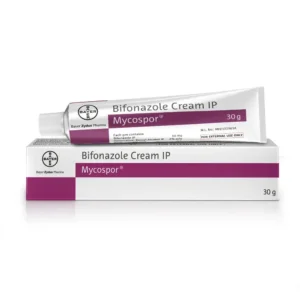
Mycospor Cream (Bifonazole)
A$21.06 A$43.52Price range: A$21.06 through A$43.52
Next product
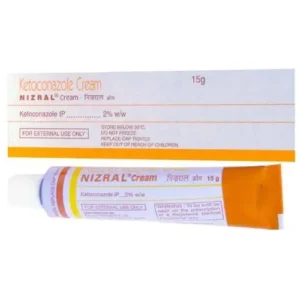
Nizral 15gm Cream (Ketoconazole)
A$8.42 A$46.33Price range: A$8.42 through A$46.33
A$5.62 A$28.08Price range: A$5.62 through A$28.08
In Stock
In Stock
Nadibact Cream (Nadifloxacin)
| Pack Size | Price | Quantity | Add To Cart | |
|---|---|---|---|---|
| 1 Cream | A$5.62 | |||
| 3 Cream/s | A$15.44 | |||
| 6 Cream/s | A$28.08 | |||
| Want to order in bulk / B2B price? Send Inquiry | ||||
×
Sorry!! Out of Stock
Sorry! Nadibact Cream (Nadifloxacin) is out of stock
Please click below to view other similar medications.
View All Nadifloxacin Products

Offer You Can't Resist
Free Shipping
Enjoy Free Shipping on Orders above AUD304 (USD199)
Estimate Delivery :
29 October - 05 November
35
Great customer service
Great customer service and a straightforward ordering process. I’m very satisfied
 Australia
September 28, 2026
Last Updated on April 28, 2026

Description
Nadibact Cream (Nadifloxacin) – Comprehensive Overview
Nadibact Cream, Nadibact Cream, with the main component Nadifloxacin it is a topical antibiotic that is used mostly for treating acne-related bacterial infections. Nadifloxacin is a member of the fluoroquinolone group of antibiotics, they are renowned for having broad-spectrum antibacterial capabilities. In contrast to many other antibacterial agents for topical use, Nadifloxacin has an enhanced capacity to penetrate the skin. It is particularly efficient in treating skin ailments that are difficult to treat.
In this article, we’ll explore the benefits, mechanisms of action, and adverse effects, as well as the essential safety precautions associated with Nadibact Cream and provide the most complete knowledge of its function for treating skin conditions.
What is Nadibact Cream?
Nadibact Cream is a cream for the skin that contains Nadifloxacin as its active ingredient. The medication is used for treating various acne-related skin infections caused by bacteria that include conditions such as acne vulgaris as well as impetigo. The medication targets the bacterial cells and prevents their replication and the spread of infection.
Nadifloxacin is a fluoroquinolone-based antibiotic. An antibiotic class that works by blocking DNA replication in bacterial gyrase It is an enzyme crucial for DNA replication and repair. By blocking this enzyme, Nadifloxacin blocks the bacteria from growing and ultimately ends their life, which leads to the end of the disease.
How Does Nadibact Cream Work?
Nadifloxacin acts by blocking the enzyme of bacterial DNA Gyrase that is essential in the reproduction of DNA from bacterial cells. If this enzyme is not present, bacteria can’t reproduce and repair DNA, eventually leading to the death of cells. The mechanism that allows Nadifloxacin to be efficient against a broad range of bacterial species that can cause skin inflammation.
Nadifloxacin is very efficient against Gram-positive bacteria like Staphylococcus aureus and Streptococcus pyogenes and Gram-negative bacteria. Its broad scope is a great treatment for a variety of skin infections caused by bacteria, such as Acne, Impetigo, and Folliculitis.
Common Uses of Nadibact Cream
Nadibact Cream is utilized to treat these skin problems:
- Acne Vulgaris: Nadifloxacin is widely used for treating mild to severe acne. It aids in reducing the inflammation of the skin and also reduces bacterial growth that can trigger breakouts of acne. This cream concentrates on Propionibacterium acnes, the bacteria that are most commonly associated with acne.
- Impetigo: The highly infectious skin condition originates from Staphylococcus aureus as well as Streptococcus Pyogenes. Nadibact can be effective in treating impetigo due to the elimination of the bacteria causing the condition.
- Folliculitis: A condition that affects hair follicles due to Staphylococcus aureus. Nadibact is a treatment for this problem by eliminating the bacteria and also reducing inflammation in hair follicles.
- Infected Eczema or Dermatitis: If eczema or dermatitis is infected by germs, Nadibact Cream could help combat the bacterial aspect of the ailment.
- Other Bacterial Skin Infections: Nadifloxacin can be prescribed to treat various skin infections caused by bacteria that are caused by vulnerable organisms.
How to Use Nadibact Cream
To get the maximum performance with Nadibact Cream, it’s crucial to adhere to the right guidelines for use:
- Clean and Dry the Affected Area: Cleanse the area gently with soap and water. Then wipe it dry using the use of a towel. The cream gets applied to the cleanest surface possible, thereby increasing efficacy and absorption.
- Apply a Thin Layer: Utilizing the cleanest of hands or the help of a cotton swab or a cotton pad. Apply a small amount of Nadibact Cream onto the area affected. Do not apply large quantities of cream since a thin amount of cream is adequate to treat.
- Apply as directed: The majority of the time, Nadibact Cream is applied every day–once in the morning, and one time before bedtime. But make sure to follow the directions that your physician has given you to get the most effective outcomes.
- Wash Hands After Use: Following application of the cream, clean your hands well so that you don’t spread the medicine on other skin areas, especially your eyes and mucous membranes.
- Consistency is Key: It is crucial to utilize Nadibact Cream consistently for the all the prescribed time no matter if your condition gets better prior to when you have finished treatment. Refraining from treatment too early can cause recurrence and antibiotic resistance.
Dosage
The usual amount for Nadibact Cream typically includes:
- Adults and Children (over 12 years): Use a light layer of Nadibact Cream on the area affected every day.
- Treatment Duration: The length of treatment typically is between five and fourteen days, depending on the extent and nature of illness. The healthcare professional will decide the precise duration.
Like any other medication you take, it’s important to adhere to the dose prescribed by your physician. In excess, the cream could cause side effects, while insufficient use could cause inflammation to continue.
Side Effects of Nadibact Cream
Nadibact Cream is usually safe, but like other medicines, it can produce side effects for some patients. Common negative side effects include:
- Skin Irritation: It can cause burning, redness, stinging, or itching at the location of the application. They are typically minimal and will disappear after the cream has been removed.
- Dryness or Peeling: Certain people might suffer from dryness or a peeling effect on the skin around the treatment region.
- Allergic Reactions: While rare, there are instances where individuals might experience the reaction of an allergy to Nadifloxacin. It can manifest as a rash, swelling, and an allergic reaction at the place of application. If the condition is severe, the patient may experience problems swallowing or breathing that require medical attention immediately.
- Photosensitivity: Nadibact Cream can increase the skin’s sensitivity to sunlight. This makes the skin more vulnerable to sunburn. Avoid exposure to direct sunlight, and use sunscreen when applying the cream.
- Burning Sensation: A slight pain or stinging after application can be a potential result, but it usually goes away within a few hours of the application.
- Superinfection: Utilizing long-term topical antibiotics such as Nadibact can result in an increase in the number of bacteria that aren’t susceptible to infection, like fungi, which can lead to secondary infections.
Precautions and Warnings
Before taking Nadibact Cream, it is important to know certain precautions to be taken and concerns:
- Avoid Contact with Eyes: Nadibact Cream shouldn’t get into your eyes. If contact happens, wash your eyes immediately using water.
- Not for Systemic Use: Nadibact can be used for usage on the surface only and is not to be used on the mucous membranes (e.g. mouth, eyes) or damaged skin (unless expressly directed by a medical professional).
- Allergy: If you are a victim of an allergic reaction to fluoroquinolones or any components that are in Nadibact Cream, you should be cautious about using the product. Consult your doctor before starting any new treatment.
- Pregnancy and Breastfeeding: Nadifloxacin can only be administered when breastfeeding or pregnant, when absolutely needed, with the guidance of a medical physician. Risks and benefits need to be considered before use.
- Sun Protection: Since Nadibact could increase the skin’s sensitization to sunlight, it is essential to wear sunscreen (sunscreen and protective clothing) in conjunction with this cream, especially when you are doing extended outdoor activities.
- Prolonged Use: Nadibact shouldn’t be used over a long period of time without a prescription from a physician. The excessive use of the drug can cause growth of resistance to antibiotics, which can lower the effectiveness of this medication.
Contraindications
Nadibact Cream is not recommended for patients who:
- Are prone to hypersensitivity reactions to Nadifloxacin or any other fluoroquinolones.
- Are you using any other treatment to treat skin issues that might be incompatible with Nadibact?
- Are suffering from severe or prolonged skin conditions that require systemic treatment instead of a local one.
Conclusion
Nadibact Cream (Nadifloxacin) is an effective treatment for various acne-related skin infections caused by bacteria, like impetigo, acne, and Folliculitis. The broad-spectrum antibacterial action combined with its capability to effectively penetrate skin and effectively, makes it a perfect option for treating skin-related infections caused by Gram-positive as well as negative bacteria.
Inhibiting the replication of DNA in bacterial cells, Nadifloxacin prevents bacteria from growing, which allows the body’s immune system to clear the infection faster. Although generally considered safe and can be tolerated, patients must adhere to the recommended dosage and guidelines for use to limit the potential for adverse effects and get the most effective outcomes. Always speak with your doctor before beginning Nadibact Cream to ensure it’s right for you.
Additional Information
| Manufacturer | Cipla Limited |
|---|---|
| Pharmaceutical | Cream |
| Strength | 1% |
| Pack Size | 1 Cream, 3 Cream/s, 6 Cream/s |
Related products






Recently Viewed

Reviews
There are no reviews yet.