

Movicol (Polythylene Glycol)
Previous product

Neksium 40mg (Esomeprazole)
A$37.80 A$67.20Price range: A$37.80 through A$67.20
Next product
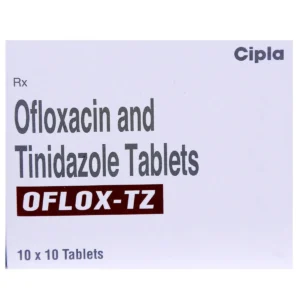
Oflox TZ (Tinidazole/Ofloxacin)
A$42.00 A$78.40Price range: A$42.00 through A$78.40
A$98.00 A$273.00Price range: A$98.00 through A$273.00
In Stock
In Stock
Movicol (Polythylene Glycol)
| Pack Size | Price | Quantity | Add To Cart | |
|---|---|---|---|---|
| 10 Sachet/s | A$98.00 | |||
| 20 Sachet/s | A$189.00 | |||
| 30 Sachet/s | A$273.00 | |||
| Want to order in bulk / B2B price? Send Inquiry | ||||
×
Sorry!! Out of Stock
Sorry! Movicol (Polythylene Glycol) is out of stock
Please click below to view other similar medications.
View All Polythylene Glycol Products
Offer You Can't Resist
Free Shipping
Enjoy Free Shipping on Orders above AUD304 (USD199)
Estimate Shipping :
08 June - 15 June
47
Best quality
Quality medicines at reasonable prices. Delivery was faster than expected, and everything arrived in perfect condition.
 Australia
May 24, 2026
Last Updated on April 25, 2026

Description
Introduction
Movicol is a popular medicine that is primarily used for the treatment of constipation as well as for helping manage bowel movements in specific situations. Movicol’s active ingredient, Polyethylene Glycol (PEG), works through the process of bringing water into the stool to help soften the stool, which makes it much easier for people to eliminate it. It’s considered to be one of the most effective alternative medications available for people suffering from intermittent or persistent constipation.
The blog below will go over the fundamentals of Movicol, which includes its mechanism of action, dosage, possible side effects, and the important safety precautions to keep in mind.
What is Movicol?
Movicol is a laxative that contains polyethylene Glycol (PEG 3350) as its active ingredient. It also contains electrolytes (sodium chloride or potassium chloride, and sodium bicarbonate). It’s usually available in the form of powder to dissolve in water before use and is often recommended for severe as well as persistent constipation.
The polyethylene glycol (PEG) in itself is a huge polymer that can’t be absorbed. This means it isn’t absorbed into bloodstreams; instead, it acts locally in the gastrointestinal tract. Its effects can be limited to the gut and have little or no effects to the entire system.
How Does Movicol Work?
The principal purpose of Movicol is to alleviate constipation by its mild osmotic process. Polyethylene Glycol (PEG), found in Movicol, is a water-soluble molecule that draws water to the colon. This enhances the amount of water in the stool. This makes it easier and softer to move.
This is how it operates in greater detail:
- Osmotic Effect: Polyethylene Glycol is an osmotically active. This means that it draws liquid into the large intestine. This softens stool, which helps to ease constipation.
- Electrolyte Balance: Electrolyte constituents (sodium tricarbonate, potassium, and bicarbonate) present in Movicol assist in maintaining the equilibrium of salts inside the gut. They also prevent the loss of water and dehydration.
- Increased Stool Volume: The stool softens, and the amount of water within the colon grows as well. The natural mobility of the intestines increases and the body is compelled to defecate.
Movicol is not a stimulant for the muscles in the intestines, so it acts at a low level and gradually in a manner that doesn’t usually trigger the urgency or cramps that are common to some laxatives that stimulate the bowel.
Indications for Movicol
Movicol is typically used for treating constipation. However, it can be used for various other issues, like:
- Chronic Constipation:
- Movicol is frequently recommended to people suffering from chronic constipation who do not respond very well to changes in diet, as well as fiber supplements, and other gentle laxatives.
- Occasional Constipation:
- The medication is utilized for short-term relief from constipation, especially in cases where the problem is due to changes in diet, travelling, or other circumstances.
- Fecal Impaction:
- For cases of extreme constipation in which stool is accumulating and gets impacted, Movicol helps to ease the stool and aid in its flow.
- Bowel Preparation Before Medical Procedures:
- Movicol can be used in order to empty the bowel before procedures like colonoscopy or radiological exams, and makes it much easier for a doctor to view the intestinal tract.
Dosage and Administration
The dose of Movicol will depend on the type of condition that is being treated, as well as the age of the patient and the extent of constipation. The typical dose is every day, ranging from once to three times per day in accordance with the requirements.
For Adults and Children over 12 Years:
- Initial Dose for Constipation: The usual dosage is 1-3 Sachets each day (divided doses) in water.
- Maintenance Dose: When the desired function of the bowel is attained, the dose will be decreased to about one or two sachets each day.
- For Impacted Stool: In the most severe instances, there may be a need for up to 8 sachets daily could be administered only under medical supervision.
For Children Aged 6-12 Years:
- In general, 1-2 sachets per day.
For Children Aged 2-6 Years:
- In general, 1 sachet a day is advised.
Movicol is generally blended with 250-250ml of drinking water to dissolve the powder. It is recommended to take it after it has completely dissolved in the water. Importantly, follow the directions for dosage given by the doctor prescribing the medicine or on the label.
Side Effects of Movicol
While Movicol is generally well tolerated by people, it can result in some negative side reactions in some instances. These side effects are usually moderate, and most will diminish as your body adapts to the drug.
Common Side Effects:
- Bloating: Certain people might experience an uneasy feeling of the feeling of fullness following having taken Movicol.
- Gas/Flatulence: A higher intake of water within the bowel could trigger the formation of gas in certain individuals.
- Abdominal Cramping: A mild cramp or discomfort could occur at times. However, Movicol is typically regarded as a mild laxative when compared with stimulant drugs.
- Diarrhea: Sometimes, taking excessive Movicol could cause diarrhea. In the event of this, then the dose should be decreased.
Serious Side Effects (Rare):
- Dehydration: When too much fluid is taken up by the bowel, there is a risk of dehydration. especially when drinking fluids is not sufficient.
- Electrolyte Imbalance: Although rare, imbalances in electrolytes can occur, particularly with long-term use or for patients suffering from heart or kidney ailments.
When severe reactions happen, like extreme abdominal pain or other signs that indicate dehydration (e.g., dry mouth, nausea), medical attention must be sought.
Precautions and Contraindications
Although Movicol is usually considered to be safe for the vast majority of individuals, there are some warnings and contraindications that you should keep in mind:
- Not for Individuals with Certain Intestinal Conditions:
- Movicol is not recommended for patients with a history of bowel perforation or intestinal obstruction. Digestive disorders that cause inflammation, like Crohn’s or ulcerative colitis, unless advised by a medical professional.
- Pregnancy and Breastfeeding:
- Movicol is usually considered to be suitable for use in the period of pregnancy and nursing; it is best to take it under the supervision of a medical professional. Speak with a doctor before taking.
- Kidney or Heart Conditions:
- Be cautious for patients suffering from cardiac or kidney conditions, especially if there is an increased risk of an imbalance in electrolytes. A regular check-up may be needed.
- Children:
- Movicol is generally suitable for use with children. However, the dosage must be followed according to the child’s weight and age. In children, excessive use could cause dehydration and diarrhea.
Conclusion
Movicol, which contains the active ingredient Polyethylene Glycol, is an efficient and mild remedy for treating constipation. The fact that it can pull water from the colon, relax stool, and encourage stool movements with no adverse side effects makes it an ideal option for a lot of people. As with any medication, it is essential to adhere to the dosage guidelines and seek the advice of a medical expert if the symptoms continue or there are issues with its use, especially for older people, children, or those who have pre-existing medical conditions.
Additional Information
| Manufacturer | Win-Medicare Pvt Ltd |
|---|---|
| Pharmaceutical | Granules |
| Strength | N/A |
| Pack Size | 10 Sachet/s, 20 Sachet/s, 30 Sachet/s |
Related products

Reviews
There are no reviews yet.