

Monocef Injection 250mg (Ceftriaxone)
Previous product
Combunex 800mg (Ethambutol/Isoniazid)
$25.00 $45.00Price range: $25.00 through $45.00
Next product
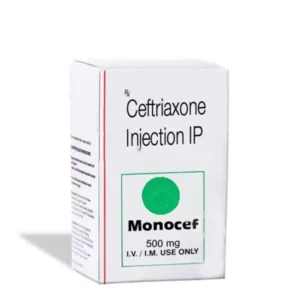
Monocef Injection 500mg (Ceftriaxone)
$5.00 $27.00Price range: $5.00 through $27.00
$4.00 $22.00Price range: $4.00 through $22.00
In Stock
In Stock
Monocef Injection 250mg (Ceftriaxone)
| Pack Size | Price | Quantity | Add To Cart | |
|---|---|---|---|---|
| 1 Injection | $4.00 | |||
| 3 Injection/s | $12.00 | |||
| 6 Injection/s | $22.00 | |||
| Want to order in bulk / B2B price? Send Inquiry | ||||
×
Sorry!! Out of Stock
Sorry! Monocef Injection 250mg (Ceftriaxone) is out of stock
Please click below to view other similar medications.
View All Ceftriaxone Products

Offer You Can't Resist
Free Shipping
Enjoy Free Shipping on Orders above AUD304 (USD199)
Estimate Shipping :
07 June - 14 June
38
Best quality
Quality medicines at reasonable prices. Delivery was faster than expected, and everything arrived in perfect condition.
 Australia
May 24, 2026
Last Updated on April 25, 2026

Description
Monocef Injection 250mg (Ceftriaxone): An In-Depth Overview
Monocef Injection, which contains Ceftriaxone as a principal ingredient, has become an extensively employed antibiotic to treat various bacterial-related infections. The broad range of its activity against Gram-positive as well as Gram-negative bacteria has made it an essential component of the medical field for treating diseases that resist other antibiotics. This article will offer an extensive review of Monocef Injection 250mg (Ceftriaxone) as well as its applications and mechanism of action, dosages, adverse effects, and other precautions that will help you gain a better understanding of this essential treatment.
What is Monocef Injection 250mg?
Monocef Injection can be described as a safe solution for the treatment of bacterial infections. It’s primarily made up of Ceftriaxone, which is a third-generation cephalosporin antibiotic. Ceftriaxone acts by disrupting the production of the cell wall of bacterial cells, which leads to the destruction of bacteria. Ceftriaxone is a powerful antibiotic that can be used against many bacteria, which makes it extremely effective in hospitals and in outpatient facilities.
The 250mg amount of Monocef Injection usually corresponds to the quantity of Ceftriaxone contained in every bottle. Ceftriaxone is usually administered by injection into a vein or muscle. It is a way to ensure that it has sufficient levels in bloodstreams to fight infections efficiently.
Mechanism of Action
Ceftriaxone, the active ingredient of Monocef, is classed as a beta-lactam antimicrobial, which means it is a beta-lactam-containing Ring in its structure. The ring blocks bacteria’s ability to produce cell wall proteins, which are essential to their existence and reproduction.
Bacterial cells are enclosed by a cell wall, which provides structural integrity and form. If Ceftriaxone alters the structure of the wall, bacteria will be susceptible to changes in osmotic pressure and eventually destroy their cells. The bactericidal action makes Ceftriaxone especially effective for treating serious bacterial infection.
Indications (Uses of Monocef Injection)
Monocef Injection can be used for treating various kinds of bacterial infections. A few of the most important indications for the injection are:
- Respiratory Tract Infections:
- Pneumonia (including community-acquired pneumonia)
- Acute exacerbations of chronic bronchitis
- Sinusitis
- Pharyngitis/tonsillitis
- Urinary Tract Infections (UTIs):
- Cystitis
- Pyelonephritis
- Gastrointestinal Infections:
- Intra-abdominal infections (e.g., peritonitis)
- Gastroenteritis
- Meningitis:
- Ceftriaxone is extremely effective in fighting bacterial meningitis that is caused by bacteria such as Neisseria meningitidis as well as Streptococcus pneumoniae.
- Bone and Joint Infections:
- Osteomyelitis
- Septic arthritis
- Skin and Soft Tissue Infections:
- Cellulitis
- Abscesses
- Sexually Transmitted Infections (STIs):
- Gonorrhea (especially in cases of cephalosporin-resistant strains)
- Sepsis:
- An extremely serious systemic disease that can be spread throughout the body, usually requiring prompt and aggressive treatment using broad-spectrum antibiotics such as Ceftriaxone.
Dosage and Administration
The dosage for Monocef is dependent on the severity and type of the disease, as well as the age of the patient and various other factors affecting health. Monocef 250mg is a moderate dosage, and doctors can alter the dose based on the patient’s condition.
Typical Dosage Guidelines:
- Adults:
- The typical dosage is 1 – 2 grams a day, which may be taken as an individual dose or broken down into two dosages.
- In the case of severe infections for severe infections, the dosage can be increased by up to 4 grams per day.
- To treat the treatment of gonorrhea, one dose of 250 mg could be sufficient.
- Pediatric Dosage:
- Children aged 15 days and over. The recommended dosage is usually 50-75 mg for every kg of body mass per day.
- The recommended dose for children generally is about 2 grams daily dependent on the degree of infection.
Administration Method:
Monocef Injection is administered in either intravenously (IV) or intramuscularly (IM). The procedure of administration will be decided by the healthcare professional in accordance with the condition of the patient.
Side Effects of Monocef Injection
Like other medications, Monocef Injection can result in adverse reactions. It is not the case for everyone to be affected; however, it’s important to be aware of possible adverse reactions:
- Common Side Effects:
- Pain or irritation at the injection site (more common with intramuscular injections)
- Diarrhea (due to alterations in gut flora)
- Nausea or vomiting
- Rash
- Fever (in some cases)
- Serious Side Effects:
- Allergic reactions (the severity of skin reactions can range from mild to severe allergic reactions)
- Severe diarrhea (possible indication of Clostridium difficile infection)
- Liver damage (elevated liver enzymes)
- Kidney problems (reduced urine output, swelling)
- Blood disorders (e.g., thrombocytopenia, leukopenia)
If an allergic reaction that is severe (such as breathing difficulties and swelling on the face or the appearance of hives) happens, immediate medical assistance should be sought.
Precautions and Contraindications
While Monocef can be considered effective when taken as directed, some cautions and contraindications need to be observed:
- Hypersensitivity to Cephalosporins: Patients who have a history of adverse reactions to cephalosporin antibiotics are not recommended to take Monocef.
- Renal and Hepatic Dysfunction: Patients who have already-existing liver or kidney conditions could require adjusting doses and strict monitoring throughout treatment.
- Pregnancy and Breastfeeding: Ceftriaxone should be utilized in pregnancy only when required, since it is absorbed through the placenta. It’s excreted through the breast milk. Therefore, caution is recommended for mothers who are breastfeeding.
- Drug Interactions:
- Calcium-containing solutions: Ceftriaxone must not be mixed in conjunction with solutions containing calcium (e.g., Ringer’s solution) in neonates since it could result in dangerous precipitates.
- Other antibiotics: Mixing Monocef with other antibiotics may affect its effectiveness, or even increase the chance of adverse consequences.
- Anticoagulants: The concurrent use of the anticoagulants (blood thinners) such as warfarin could raise the risk of bleeding.
Conclusion
Monocef Injection 250mg (Ceftriaxone) is a potent antibiotic that is used to treat various bacterial-related illnesses. Its wide range of activities, as well as its ease of use and its effectiveness against a variety of resistant bacteria, make it a vital instrument in modern medicine. But, as with all medicines, they should be administered under supervision by a medical specialist to avoid adverse reactions or drug interactions. problems.
Related products











Recently Viewed
Reviews
There are no reviews yet.