

Misoprost 600mcg (Misoprostol)
Previous product
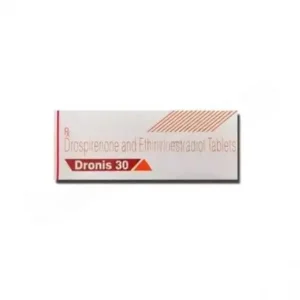
Dronis 30mg (Drospirenone/Ethinyl Estradiol)
$19.50 $43.75Price range: $19.50 through $43.75
Next product

Danogen 50mg (Danazol)
$22.50 $46.38Price range: $22.50 through $46.38
$15.00 $44.00Price range: $15.00 through $44.00
In Stock
In Stock
Misoprost 600mcg (Misoprostol)
| Pack Size | Price | Quantity | Add To Cart | |
|---|---|---|---|---|
| 3 Tablet/s | $15.00 | |||
| 6 Tablet/s | $23.00 | |||
| 12 Tablet/s | $44.00 | |||
| Want to order in bulk / B2B price? Send Inquiry | ||||
×
Sorry!! Out of Stock
Sorry! Misoprost 600mcg (Misoprostol) is out of stock
Please click below to view other similar medications.
View All Misoprostol Products
Offer You Can't Resist
Free Shipping
Enjoy Free Shipping on Orders above AUD304 (USD199)
Estimate Shipping :
08 June - 15 June
36
Last Updated on April 25, 2026

Description
Introduction
Misoprostol is an artificial prostaglandin E1 (PGE1) analog commonly used in medicine due to its capability to cause uterine contractions as well as help protect the lining of the stomach. The most commonly used dose is dosages of 200 mcg, 400 mcg, or 600 mcg based upon the indications for use. A 600 mcg dose is commonly utilized for obstetric as well as gynecological uses, specifically for pregnancy-related procedures like medical abortions, birth induction, and the management of bleeding postpartum.
Chemical and Pharmacological Profile
- Generic Name: Misoprostol
- Chemical Name: Methyl (±)-7-[(1R,2R,3R)-3-hydroxy-2-[(E)-2-(pyrrolidin-1-yl)ethenyl]-5-oxocyclopentyl]hept-5-enoate
- Molecular Formula: C22H38O5
- Molecular Weight: 382.5 g/mol
- Drug Class: Prostaglandin E1 analog
- Formulations: Tablets (oral, sublingual, vaginal, buccal, and rectal routes)
Misoprostol is a synthesized prostaglandin E1 analog that mimics the natural prostaglandins found in the human body. It is primarily a stimulant for prostaglandin E receptors located in the uterus and stomach, which results in increased mucous production and less acid production in the stomach, as well as stimulating the uterine muscle.
Mechanism of Action
The effects of Misoprostol vary depending on the tissue that is targeted:
- Gastrointestinal Tract: Misoprostol stimulates the release of bicarbonate and mucus in the mucosa of the stomach, which helps safeguard the stomach lining against harm caused by acid. Additionally, it blocks gastric acid production by parietal cells and reduces the possibility of ulcers in gastric tissue, particularly in those taking NSAIDs.
- Uterus: Misoprostol is a binder to the prostaglandin receptors of the smooth muscles of the uterus, which triggers cervical ripening and uterine contractions (softening as well as dilation). This is why it’s extremely useful for obstetrical and gynecological purposes that require the induction of labor, or the termination of pregnancy by medical means, is wanted.
- Cervical Effects: It stimulates cervical softening as well as effacement through stimulating collagenase production and thereby assisting cervical dilation.
Clinical Uses of Misoprostol 600 mcg
- Medical Termination of Pregnancy (MTP)
Misoprostol is extensively employed in a medical abortion routine and is often combined with Mifepristone. This means that 600 mcg of misoprostol can be given through the sublingual or vaginal route to cause contractions of the uterus and then expel the pregnant tissue. This method is non-surgical and works to stop pregnancy early (usually for up to 10 weeks of gestation).
- Regimen: In general, doses of 200-800 mcg are prescribed based on pregnancy stage and repeated every 3 to 12 hours.
- Efficacy: A high rate of success (85-95%) when used in conjunction with Mifepristone.
- Advantages: Affordable, effective, and non-invasive even in areas with limited resources.
- Induction of Labor
Misoprostol is used to induce labor in women suffering from an unfavorable cervical cervix. It can also be used during cases of intrauterine foetal death, preeclampsia, or other medical reasons. The 600 mcg dose may be given orally and vaginally in doses that are divided to induce the contraction of the uterus.
- Dose: Lower doses (25-50 mcg) tend to be preferred during labor induction because of the risks of uterine hyperstimulation. However, 600 mcg can be utilized in specific protocols.
- Effect: Cervical maturing and the induction of labor via uterine contractions.
- Management of Postpartum Hemorrhage (PPH)
Misoprostol is highly effective at the prevention and management of PPH, which is a leading factor in maternal mortality around the globe. Because of its uteronic effects, misoprostol triggers the uterus’s muscles to contract and decrease bleeding.
- Dose: WHO suggests 600 mcg sublingually or orally, or 800 mcg within a few hours of delivery.
- Benefits: It is useful in situations with limited resources where injectable oxytocin may not be available.
- Gastric Ulcer Prevention
The 600 mcg dose is most commonly used during obstetrics and gynecology, misoprostol initially approved to prevent gastric ulcers caused by NSAIDs.
- Dose: Most commonly, 200 mcg four times a day for the prevention of ulcers.
- Action: The gastric mucosa is protected by the increase in bicarbonate and mucous secretion, and decreased acid secretion.
Dosage and Administration
- Common Dosage (Obstetric use): 600 mcg dosage administered vaginally, orally, or sublingually, based on the prescription.
- Routes: Vaginal administration provides slower, however, long-lasting absorption. The sublingual route results in rapid absorption, with greater peak plasma levels. Oral administration is less bioavailable.
- Frequency: In accordance with the prescription, repeat doses every 3 to 6 hours could be needed.
- Adjustments: A careful monitoring of the uterus is essential to prevent uterine hyperstimulation as well as other negative consequences.
Pharmacokinetics
- Absorption: Absorption is rapid via sublingual and oral routes. Vaginal absorption is slow, but long-lasting.
- Distribution: It is widely distributed and runs across the placenta.
- Metabolism: It is rapidly metabolized by the liver into an active metabolic product.
- Excretion: Primarily through urine, with an average half-life of 20-40 minutes.
Side Effects
The most common side effects associated with a misoprostol dose of 600 mcg can include:
- Gastrointestinal: Nausea, vomiting, diarrhea, abdominal pain, cramps.
- Uterine: Cramping, uterine hyperstimulation, and uterine rupture (rare, most often in females who have had uterine surgery before the procedure).
- Fever and Chills: Sometimes reported, particularly in higher doses.
- Vaginal Bleeding: Spotting or heavy bleeding is normal in the termination of pregnancy.
- Allergic Reactions: It’s rare, but it’s feasible.
Contraindications
- There is a known hypersensitivity reaction to misoprostol or prostaglandins.
- Contraindications to pregnancy vary based on the purpose of use:
- Beware of women who are pregnant and should not have medical treatment.
- Be cautious with women who have previously had cesarean sections or previous the uterine procedure (risk for rupture).
- Beware of severe respiratory or cardiovascular diseases.
Precautions and Warnings
- Be cautious when using this product for women suffering from asthma, epilepsy, kidney disease, or cardiovascular impairment.
- Should be given under medical supervision, especially in the case of pregnancy-related use.
- Check for any signs of rupture in the uterus, excess bleeding, or an infection.
- Misoprostol is not recommended to induce labor for women who have had previous cesarean deliveries, according to numerous guidelines, because of risks of a ruptured uterus.
Drug Interactions
- May interact with other uterotonics (e.g., oxytocin).
- Antacids may reduce absorption.
- Co-administration of NSAIDs can raise the chance of irritation to the stomach when utilized for the prevention of ulcers.
Storage and Handling
- Keep at room temperature and free of heat and humidity.
- Be sure to keep away from youngsters.
Summary
Misoprostol 600 mcg is a powerful synthetic prostaglandin analogue that is widely used in obstetrics and Gynecology to aid surgical abortions, induction of labor, and the treatment of hemorrhage postpartum. The ability of misoprostol to trigger uterine contractions as well as increase the size of the cervix makes it a valuable aid in the management of reproductive health. Additionally, it shields the mucosa of the stomach from ulcers caused by NSAIDs, but only when doses are lower.
It is recommended to use the medication in moderation and under medical supervision due to possible side effects and risks like uterine hyperstimulation and rupture. Knowing its pharmacology, its medical indications, and appropriate dose protocols is crucial for secure and efficient utilization.
Related products





Recently Viewed



Reviews
There are no reviews yet.