
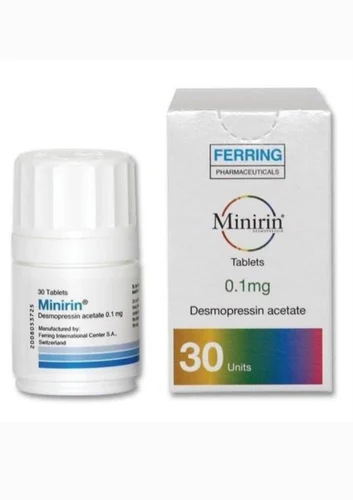
Minirin 0.1mg (Desmopressin)
Previous product

Forxiga 5mg (Dapagliflozin)
$40.00 $116.00Price range: $40.00 through $116.00
Next product
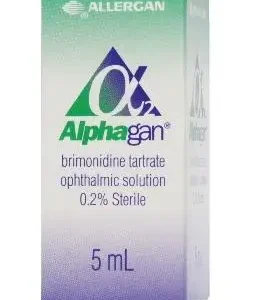
Alphagan eye drop 5ml (Brimonidine)
$29.00 $82.00Price range: $29.00 through $82.00
$35.00 $101.00Price range: $35.00 through $101.00
In Stock
In Stock
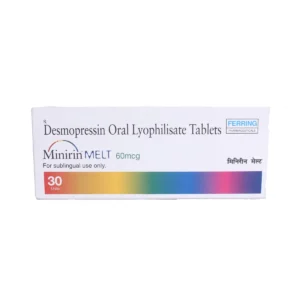
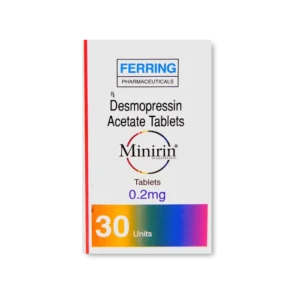
Minirin 0.1mg (Desmopressin)
| Pack Size | Price | Quantity | Add To Cart | |
|---|---|---|---|---|
| 30 Tablet/s | $35.00 | |||
| 60 Tablet/s | $67.00 | |||
| 90 Tablet/s | $101.00 | |||
| Want to order in bulk / B2B price? Send Inquiry | ||||
×
Sorry!! Out of Stock
Sorry! Minirin 0.1mg (Desmopressin) is out of stock
Please click below to view other similar medications.
View All Desmopressin Products

Offer You Can't Resist
Free Shipping
Enjoy Free Shipping on Orders above AUD304 (USD199)
Estimate Shipping :
19 July - 26 July
39
Excellent service
Excellent service! My order arrived quickly, and everything was securely packaged. Highly recommended
 Australia
June 24, 2026
Last Updated on April 25, 2026

Description
Minirin 0.1mg (Desmopressin): An Effective Treatment for Diabetes Insipidus and Related Conditions
A variety of health conditions can interfere with the body’s ability control water balance. This can lead to an excessive thirst and frequent need to urinate. One of these disorders can be the condition known as diabetes insipidus, which is characterized by the kidneys’ inability to store the water they need. In order to treat this as well as other associated disorders, Minirin 0.1mg is a medication that contains the active component Desmopressin, which is an important treatment.
This article explains all that you should learn about Minirin 0.1mg that you need to know about it does and how it functions and treats, as well as the important steps to take.
What is Minirin 0.1mg?
Minirin 0.1mg is a name brand for Desmopressin, the synthetic version of the hormone naturally produced by vasopressin (also known as antidiuretic hormone, or ADH). Vasopressin is a hormone that regulates the retention of water within the kidneys. Desmopressin is akin to this function and can aid the body in conserving fluids and decrease the amount of urine produced.
Minirin is available in a variety of types, such as nasal spray, tablets, and injections. Minirin’s 0.1mg tablet is an everyday dosage for oral use and is used for a variety of purposes.
How Does Desmopressin Work?
Desmopressin is a drug that affects the collecting ducts of the kidneys by binding V2 receptors that increase water absorption back into the bloodstream. The result is a decrease in urine volume. aids in maintaining fluid balance and reduces thirst, as well as urination.
In contrast to natural vasopressin, desmopressin provides a longer period of action and fewer adverse effects on blood pressure, so it is safer and more practical.
Common Uses of Minirin 0.1mg
Minirin 0.1mg is prescribed for:
- Central Diabetes Insipidus (CDI): The cause is insufficient production or the release of naturally occurring ADH by the pituitary gland.
- Nocturnal Enuresis (Bedwetting): It helps reduce the amount of urine produced at night among adults and children.
- Primary Nocturia: UTIs at night that are not linked to other medical conditions.
- Hemophilia A and von Willebrand’s Disease: It is sometimes used to boost levels of clotting (off-label usage).
- Other Conditions: Like certain types of surgical procedures or blood clotting Under medical supervision.
Benefits of Minirin 0.1mg
- Controls Excessive Urination: It helps manage the symptoms of nocturia and diabetes insipidus.
- Improves Quality of Life: Through a reduction in interruptions at night, and reducing drinking too much.
- Safe and Effective: Synthetic hormone is similar to the natural ADH but with fewer adverse effects.
- Convenient Oral Dosage: It is easy to use in tablet format.
- Long-Lasting Effect: Offers relief from an ailment for several hours.
How to Use Minirin 0.1mg
- Dosage: Follow the exact dosage prescribed by your physician. The dosage varies based on your condition and the individual’s response.
- Timing: It is usually taken before bed for nocturia or in conjunction with the treatment for diabetic insipidus.
- Fluid Intake: Take your doctor’s guidance on fluid intake in order to avoid any imbalance or water retention.
- Monitoring: Every month, check the level of electrolytes in your body and kidney function.
- Do Not Skip Doses: Consistency is essential for successful management.
Precautions and Side Effects
Minirin is usually well-tolerated, but could cause:
- Common Side Effects: Headache, nausea, mild abdominal cramps, flushing.
- Serious Side Effects: Hyponatremia is caused by water retention. (Low blood sodium) that can lead to seizures, confusion, or swelling.
- Avoid Excessive Fluids: To ensure that you are safe from water poisoning, ensure that you are monitoring your fluid intake.
- Contraindications: It is not recommended to use this product for patients suffering from certain kidney disorders, low blood sodium, or heart disease, without medical surveillance.
- Pregnancy and Breastfeeding: Only use if recommended by a medical professional.
Who Should Avoid Minirin 0.1mg?
- People suffering from the chronic disease of the kidneys or impaired kidney function.
- People who are prone to hyponatremia or an imbalance in electrolytes.
- Individuals suffering from heart disease or problems with fluid retention.
- The people who are sensitive to Desmopressin or any of the ingredients in the formulation.
Summary
Minirin 0.1mg (Desmopressin) is a vital medication that treats issues that cause excessive urination as well as the imbalance of fluids, like central diabetes insipidus, as well as nighttime insipidus. In a way, it mimics the body’s natural hormone that regulates diuretics. It effectively decreases the amount of urine produced and enhances well-being and comfort.
Additional Information
| Manufacturer | Ferring Pharmaceuticals |
|---|---|
| Pharmaceutical | Tablet/s |
| Strength | 0.1mg |
| Pack Size | 30 Tablet/s, 60 Tablet/s, 90 Tablet/s |
Related products
Recently Viewed
Reviews
There are no reviews yet.