

Mikacin injection 500mg (Amikacin)
Previous product
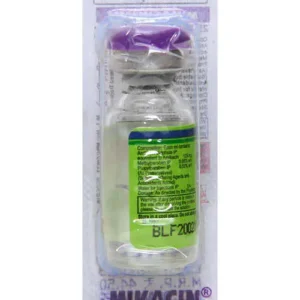
Mikacin injection 250mg (Amikacin)
$42.30 $123.20Price range: $42.30 through $123.20
Next product
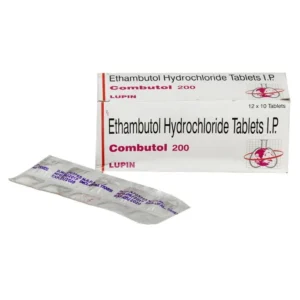
Combutol 200mg (Ethambutol)
$2.02 $5.13Price range: $2.02 through $5.13
$5.00 $26.00Price range: $5.00 through $26.00
In Stock
In Stock
Mikacin injection 500mg (Amikacin)
| Pack Size | Price | Quantity | Add To Cart | |
|---|---|---|---|---|
| 1 Injection | $5.00 | |||
| 3 Injection/s | $15.00 | |||
| 6 Injection/s | $26.00 | |||
| Want to order in bulk / B2B price? Send Inquiry | ||||
×
Sorry!! Out of Stock
Sorry! Mikacin injection 500mg (Amikacin) is out of stock
Please click below to view other similar medications.
View All Amikacin Products
Offer You Can't Resist
Free Shipping
Enjoy Free Shipping on Orders above AUD304 (USD199)
Estimate Shipping :
07 June - 14 June
29
Excellent service
Excellent service! My order was processed quickly and delivered on time. The medicines were well-packaged and exactly as described. Highly recommended.
 Australia
May 26, 2026
Last Updated on April 25, 2026

Description
Introduction
Infections caused by bacteria could vary from minor to life-threatening. When it comes to serious infections, specifically ones caused by resistant bacteria, antibiotics such as Amikacin are essential. The most common type of this antibacterial can be found in Mikacin injection 500mg that is utilized in clinical and hospital settings for treating a variety of bacterial illnesses.
In this article, we’ll look at the Mikacin Injection and how it functions as well as its uses, advantages, dosage, potential side effects, and precautions.
What is Mikacin Injection 500mg?
Mikacin Injection contains Amikacin sulfate, an aminoglycoside antibiotic. It’s administered through intramuscular (IM) and intravenous (IV) ways to fight severe bacterial infections.
Amikacin is very powerful against Gram-negative bacteria and some Gram-positive bacteria. It is often used to treat infections that are not responding to other antibiotics due to resistance.
How Does Amikacin Work?
Amikacin is a protein that binds to the bacteria’s 30S ribosomal unit and disrupts the synthesis of proteins. This is a mechanism that:
- Inhibits bacterial growth
- Leads to bacterial cell death
Since it targets ribosomes of bacterial origin, Amikacin can be selectively harmful to bacterial ribosomes, but not human cells.
Uses and Indications of Mikacin Injection
Mikacin Injection 500mg is utilized for treating serious infections, including:
- Severe urinary tract infections (UTIs)
- Infections of the respiratory tract, such as pneumonia
- Sepsis and bloodstream infections
- Bone and joint infections
- Intra-abdominal infections
- Skin and soft tissue infections
- Meningitis (in specific cases)
- Multidrug-resistant bacterial infections
This is typically used in situations where other antibiotics fail, or if bacteria have developed resistance.
How Is Mikacin Administered?
Dosage
- Dosage is based on the kind, severity, body weight, and response to treatment.
- In general, dosages vary in the range of 7.5 mg/kg up to 15 mg/kg and are divided into two or three dosages.
- It is essential to observe the dosing regimen of your doctor with care.
Administration Route
- It is administered via an intramuscular (IM) injection or intravenous (IV) infusion.
- In most hospitals, medication is administered by medical experts.
- The duration of treatment varies based on the degree and the response.
Benefits of Mikacin Injection
- It is effective against multiple drug-resistant bacteria, which include Pseudomonas as well as Acinetobacter.
- The rapid bactericidal action helps in the control of the severity of illnesses.
- In conjunction with other antibiotics to achieve synergistic results.
- The treatment of infected areas is not compatible with other antibiotics.
- It is useful in cases of serious infections acquired from hospitals.
Possible Side Effects
Though it’s efficient, Mikacin can cause side effects. Some of these need to be monitored closely.
Common Side Effects
- Pain or irritation at injection site
- Nausea or vomiting
- Fever or rash
Serious Side Effects
- Nephrotoxicity (kidney damage): Keep track of kidney function on a regular basis.
- Ototoxicity (hearing loss or balance issues): It is possible to reverse it; look for signs such as tinnitus or dizziness.
- Neuromuscular blockade: Very rare, but it can cause the muscles to weaken.
- Allergic reactions (rash, itching, swelling)
- Electrolyte imbalances
Precautions and Warnings
- Kidney function monitoring: Kidney impairment patients need a dose adjustment.
- Hearing monitoring: Audimetric tests should be conducted regularly if they are used for a long time.
- Pregnancy and breastfeeding: Make use of it only when absolutely needed, and if you are unsure, consult your doctor.
- Beware of co-administration with other nephrotoxic and ototoxic medications if feasible.
- Tell your physician about any medical conditions that are pre-existing, particularly kidney or hearing issues.
Drug Interactions
Mikacin may interact with:
- Other aminoglycosides or vancomycin (increased toxicity risk)
- Diuretics like furosemide (may increase ototoxicity)
- Muscle relaxants (may enhance neuromuscular blockade)
- Other nephrotoxic drugs
Make sure you inform your physician about any medications you use.
Who Should Avoid Mikacin?
- Patients with severe impairment of the kidneys are not closely monitored.
- Patients with hypersensitivity to aminoglycosides.
- Take care when administering this medicine to elderly patients, as they’re more susceptible to reactions.
Tips for Patients Receiving Mikacin Injection
- Inform us of any changes in hearing, such as ringing or buzzing in the ears, imbalance issues, or dizziness, immediately.
- Regularly test your blood for signs of kidney disease for monitoring the functioning.
- Your healthcare professional should be informed of any other medication you take.
- Be sure to complete the entire program of treatment regardless of whether symptoms get better.
- Drink plenty of water to maintain the health of your kidneys.
Conclusion
Mikacin Injection 500mg (Amikacin) is a potent antibiotic that is used to treat serious and resistant bacteria. Its capability to battle multidrug-resistant organisms makes it a valuable choice in hospital and critical care situations. Due to the possibility of adverse effects such as kidney or ear poisoning, it is required to be under strict monitoring by health specialists.
If you or your family member has received Mikacin for treatment, it’s crucial to know the advantages and dangers and be open with your medical team to ensure the most effective and safe treatment.
Related products











Recently Viewed
Reviews
There are no reviews yet.