
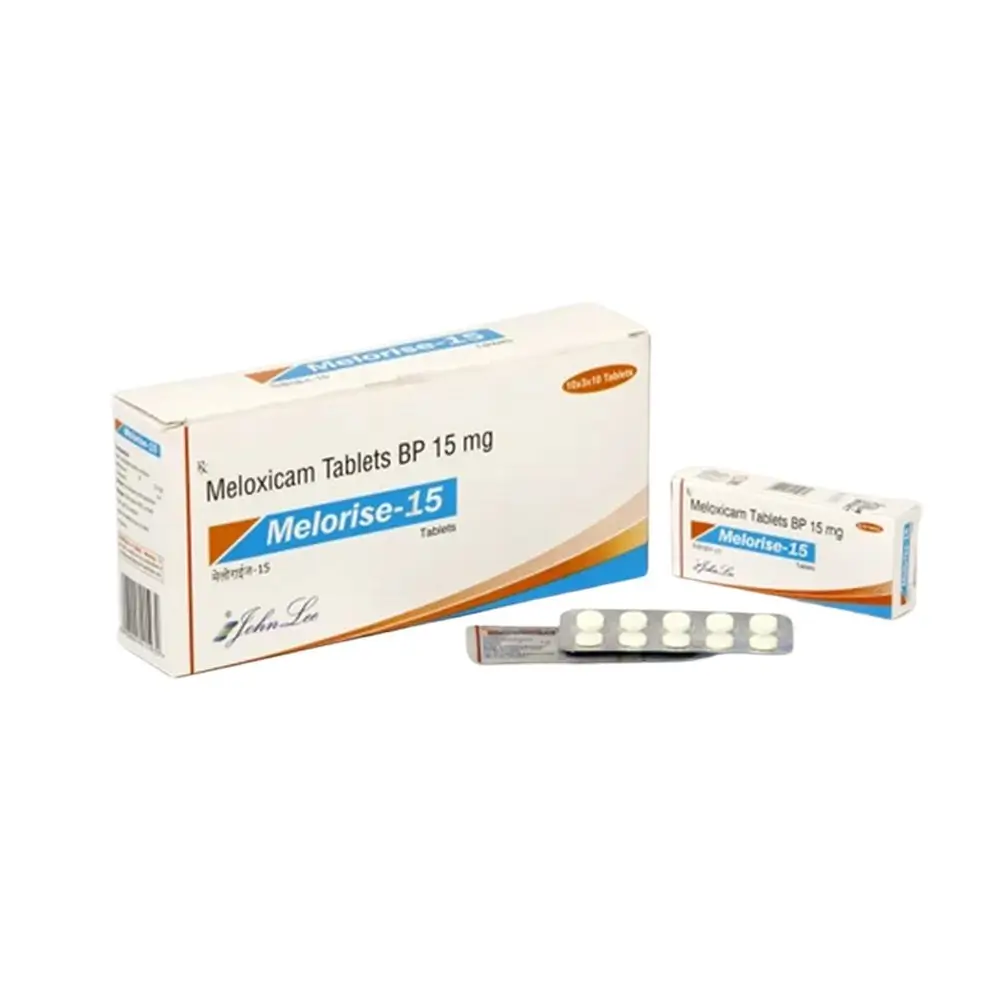
Melorise 15mg (Meloxicam)
Previous product
Meflotas 250mg (Mefloquine)
$75.00 $220.00Price range: $75.00 through $220.00
Next product

Meloset 3mg (Melatonin)
$25.00 $110.00Price range: $25.00 through $110.00
$30.00 $73.00Price range: $30.00 through $73.00
In Stock
In Stock
Melorise 15mg (Meloxicam)
| Pack Size | Price | Quantity | Add To Cart | |
|---|---|---|---|---|
| 100 Tablet/s | $30.00 | |||
| 200 Tablet/s | $54.00 | |||
| 300 Tablet/s | $73.00 | |||
| Want to order in bulk / B2B price? Send Inquiry | ||||
×
Sorry!! Out of Stock
Sorry! Melorise 15mg (Meloxicam) is out of stock
Please click below to view other similar medications.
View All Meloxicam Products


Offer You Can't Resist
Free Shipping
Enjoy Free Shipping on Orders above AUD304 (USD199)
Estimate Shipping :
08 June - 15 June
29
Last Updated on April 21, 2026

Description
Melorise 15mg (Meloxicam): Uses, Benefits, and Important Information
Inflammation and chronic pain will significantly affect the quality of life of numerous people. Conditions like arthritis, muscle injuries, and other inflammatory conditions require proper management in order to improve mobility and comfort. Melorise 15mg, which is a combination of Meloxicam as the active ingredient, is among the medications that are widely prescribed for relieving pain and reducing inflammation. This blog post will offer an extensive description of Melorise 15mg, what it does, and how it functions in terms of dosage, possible side effects, safety precautions, as well as other important details.
What is Melorise 15mg?
Melorise 15mg can be described as a non-steroidal anti-inflammatory drug (NSAID) that contains Meloxicam as an active component. It’s part of a group of drugs that help reduce the pain, inflammation, and fever by blocking specific enzymes within the body known as COX or cyclooxygenase (COX). In particular, Meloxicam selectively inhibits COX-2 and COX-2, the enzyme responsible for pain and inflammation, and has a lesser effect on COX-1, which protects the stomach’s lining. The selective inhibition reduces the possibility of stomach-related side effects that can be found in different NSAIDs.
Melorise is typically available in tablet format and can be consumed by mouth.
How Does Melorise 15mg Work?
Melorise is a drug that blocks the production of prostaglandins, which are chemical compounds in the body that trigger discomfort, inflammation, and fever. The enzyme known as cyclooxygenase (COX) assists in the production of prostaglandins. There are two major COX types:
- COX-1: The stomach’s lining is protected and helps to support the function of platelets.
- COX-2: Prostaglandins are substances that create pain and inflammation.
Meloxicam has a tendency to inhibit COX-2, which reduces pain and inflammation, and reduces COX-1’s activity to a certain extent. This reduces the adverse effects on the gastrointestinal tract compared with non-selective NSAIDs.
Primary Uses of Melorise 15mg
Melorise 15mg is typically recommended for the following situations:
- Osteoarthritis
It can help reduce stiffness, joint pain, and inflammation that is associated with osteoarthritis. This is which is a degenerative joint disorder that impacts millions across the globe. - Rheumatoid Arthritis
Melorise can help control the signs of rheumatoidarthritis, an autoimmune condition that can cause arthritis and inflammation. - Ankylosing Spondylitis
It is a kind of arthritis that primarily affects the spine. Melorise can help reduce the pain and inflammation that comes with the disorder. - Other Musculoskeletal Disorders
It is a treatment for a variety of other inflammatory and difficult conditions that impact joints and muscles.
Dosage and Administration
The dosage for Melorise 15mg is based on the disease being addressed, as well as the patient’s general health and the response to the drug. Generally:
- In the case of rheumatoid or osteoarthritis the usual dosage is 7.5mg or 15mg daily.
- Doctors typically start patients on the lowest dose that is effective. Dose, and alter it as needed.
It is essential to take Melorise along with your meal or drink in order to reduce stomach discomfort. Melorise tablets must be ingested completely with a drink of liquid. Avoid chewing or crushing the tablets.
Potential Side Effects
Although Melorise 15mg can be powerful, it could result in side effects in certain patients. They are usually mild and brief. However, more serious reactions can be experienced.
Common side effects include:
- Stomach pain or discomfort
- Indigestion or heartburn
- Nausea
- Diarrhea or constipation
- Dizziness or headache
Serious side effects that require immediate medical attention:
- A severe stomachache or black stool, black or tarry (sign of bleeding in the gastrointestinal tract)
- Swelling of the face, lips, tongue, or throat (allergic reaction)
- Difficulty breathing or wheezing
- Chest pain, weakness, or sudden numbness (signs of heart attack or stroke)
- Unusual bruising or bleeding
Precautions and Contraindications
Before you take Melorise 15mg, you must inform your doctor of any prior ailments or allergies. This includes:
- A history of stomach ulcers or bleeding
- Heart disease, high blood pressure, or stroke
- Kidney or liver disease
- Asthma or any other respiratory conditions
- Allergy to NSAIDs or aspirin
Melorise should not be used for use in pregnancy, particularly in the last stages, as it may cause harm to the fetus or labor. Additionally, it is not recommended when breastfeeding, unless advised by a physician.
Drug Interactions
Melorise 15mg can be in contact with other medicines and medications, which could affect the way it performs or increase the chance of adverse effects. A few of the most prominent interactions include:
- Warfarin, a blood thinner, or aspirin, increases the risk of bleeding
- Additional NSAIDs, also known as corticosteroids, can increase the chance of developing gastrointestinal concerns
- Certain blood pressure medicines, like ACE inhibitors or diuretics, can reduce their effectiveness or trigger negative side effects
- Methotrexate or Lithium, in which case the levels of blood may be impaired
Be sure to inform your doctor about any medication or supplement that you’re taking prior to taking Melorise.
Monitoring and Follow-Up
Patients who take Melorise 15mg for prolonged periods must have periodic check-ups with a doctor to check for:
- Kidney and liver function
- Blood pressure
- Signs of gastrointestinal bleeding
- Tolerability and overall efficacy of the drug
If you notice any adverse consequences or signs of a problem, consult your doctor immediately.
Who Should Avoid Melorise 15mg?
Melorise is not for all users. Do not use it if:
- Do you have a history of an allergy to Meloxicam or any other NSAIDs
- Are experiencing active bleeding from the gastrointestinal tract or ulcers
- Are you experiencing asthma attacks that are triggered by the use of NSAIDs
- Are in the last trimester of pregnancy
- Do you suffer from severe liver or kidney impaired
Patient Tips for Using Melorise 15mg
- Consume the medicine together with food in order to shield your stomach.
- Don’t exceed the recommended dosage.
- Beware of alcohol, as it can raise the risk of stomach bleeding.
- Keep hydrated and adhere to an exercise routine that promotes joint health.
- Inform your doctor of any unusual signs or adverse reactions immediately to your physician.
- Don’t take over-the-counter NSAIDs without being prescribed by your health care provider.
Summary
Melorise 15mg (Meloxicam) is an efficient NSAID that is prescribed to relieve inflammation and pain caused by arthritis as well as other musculoskeletal disorders. Through selectively blocking the COX-2 enzyme, it offers relief, with a slightly lower chance of stomach irritation compared to other NSAIDs. But, as with all medicines, they must be taken under supervision by a physician because of the potential for adverse effects as well as interactions.
If you have persistent joint pain or inflammation, Melorise 15mg may be beneficial as a component of your treatment. Make sure to consult with your doctor for a proper diagnosis and treatment that is tailored to the specific requirements of your condition.
Additional Information
| Active Ingredient: | Meloxicam |
|---|---|
| Indication: | Pain Relief |
| Manufacturer: | Johnlee Pharmaceuticals Pvt. Ltd. |
| Strength: | 15mg |
| Packaging: | 10 Tablets in 1 Strip |
| Delivery Time: | 7 To 15 days |
Related products









Reviews
There are no reviews yet.