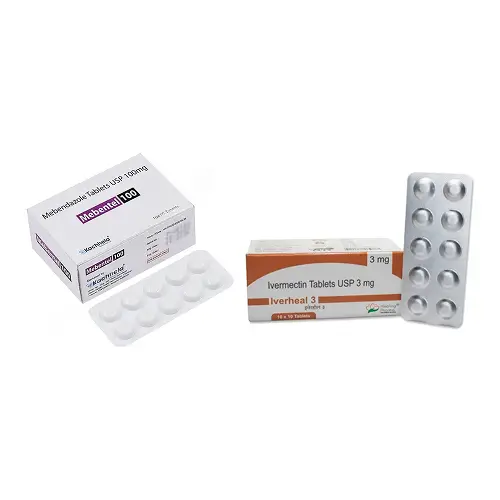
Mebendazole 100+Ivermectin 3
Previous product
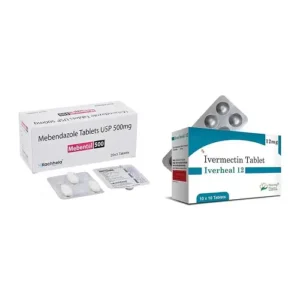
Mebendazole 500+Ivermectin 12
$114.00 $332.00Price range: $114.00 through $332.00
Next product
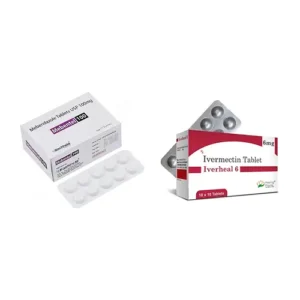
Mebendazole 100+Ivermectin 6
$86.00 $248.00Price range: $86.00 through $248.00
$80.00 $230.00Price range: $80.00 through $230.00
In Stock
In Stock
Mebendazole 100+Ivermectin 3
| Pack Size | Price | Quantity | Add To Cart | |
|---|---|---|---|---|
| 1 Pack | $80.00 | |||
| 2 Pack/s | $154.00 | |||
| 3 Pack/s | $230.00 | |||
| Want to order in bulk / B2B price? Send Inquiry | ||||
Offer You Can't Resist
Free Shipping
Enjoy Free Shipping on Orders above AUD304 (USD199)
Estimate Shipping :
07 June - 14 June
40
Last Updated on April 20, 2026

Description
Introduction
The combination includes two potent antiparasitic medicines:
- Mebendazole 100 mg — an anthelmintic is a medication used for treating intestinal worms.
- Ivermectin 3 mg — Antiparasitic with broad-spectrum effectiveness against a variety of external and internal parasites.
Together, they offer effective therapy against a range of parasitic diseases.
What is Mebendazole?
Mebendazole is a benzimidazole-class antihelmintic. It is commonly prescribed to treat infections that are caused by intestinal worms. These include:
- Roundworms (Ascaris lumbricoides)
- Pinworms (Enterobius vermicularis)
- Hookworms
- Whipworms (Trichuris trichiura)
What is Ivermectin?
Ivermectin is an antiparasitic macrocyclic lactone with the ability to fight:
- Intestinal parasites such as Strongyloides Stercoralis
- External parasites, such as lice or scabies mites
- Other nematodes that cause different parasitic diseases
Also, it is used for the administration of drugs in mass for onchocerciasis as well as lymphatic filariasis.
Mechanism of Action
- Mebendazole:
The microtubules in the parasites inhibit their synthesis. Are worms. This disrupts glucose uptake and reduces their energy stores, causing the death of parasites. - Ivermectin:
Binds specifically to glutamate-gated channels within muscle and nerve cells of the parasite and muscle cells, thereby increasing the permeability of chloride ions, which causes paralysis and the death of the parasite.
Indications
This combo is utilized for:
- Infections of the helminth in both intestines
- Strongyloidiasis
- Onchocerciasis (river blindness)
- Scabies and lice infestations (off-label/topical use of ivermectin)
- Other parasitic infections, as directed by a physician
Dosage and Administration
Typical adult dose:
- Mebendazole: 100 mg every day for three days (depending on the level of infection)
- Ivermectin: 150 to 200 mg/kg in a single dosage, which usually translates into 3 mg for normal adults. Dosing frequency is based on the nature of the infection.
Important: The dosage and duration of treatment must be determined by a medical doctor based on the nature and the patient’s factors.
Pharmacokinetics
- Mebendazole:
It is poorly absorbed by the mouth; the effect occurs locally within the intestinal tract. - Ivermectin:
Absorbs well orally, is processed in the liver, and is excreted mainly in feces.
Side Effects
Mebendazole common side effects:
- Abdominal pain, diarrhea, nausea
- Dizziness or headache (rare)
- Allergic reactions (rare)
Ivermectin common side effects:
- Dizziness, fatigue
- Nausea, diarrhea
- Mild skin rash or itching
- Fever or muscle pain (especially when parasites die)
Serious side effects (rare):
- Severe allergic reactions
- Neurotoxicity symptoms (confusion, seizures) in rare cases
- Liver enzyme abnormalities
Precautions
- Take care when using this product when dealing with patients who have renal or liver impairment.
- Beware of children under 15 kg (ivermectin) or less than two years old (mebendazole) unless otherwise it is prescribed.
- The pregnancy category is different depending on the doctor you consult before using it during breastfeeding or pregnancy.
- Use only under the supervision of a medical professional.
- Check for reactions to allergens, particularly after your first dose.
Drug Interactions
- Mebendazole could be in contact with cimetidine or other medications that affect liver enzymes.
- The metabolism of Ivermectin can be affected by CYP3A4 inhibitors and inducers.
- Do not use concurrently with other drugs that can cause neurotoxicity without a doctor’s recommendation.
Storage
- Keep it in a cool, dry area in a dark, dry place away from direct sunlight.
- Make sure that the area is safe for youngsters.
Summary Table
| Aspect | Details |
| Drugs | Mebendazole 100 mg + Ivermectin 3 mg |
| Class | Anthelmintic (Mebendazole), Antiparasitic (Ivermectin) |
| Indications | Intestinal worms, strongyloidiasis, onchocerciasis, scabies |
| Mechanism | Mebendazole: inhibits microtubules; Ivermectin: paralyzes parasites |
| Dosage | Mebendazole 100 mg 1-2x daily (3 days), Ivermectin 3 mg single dose |
| Common Side Effects | GI upset, dizziness, rash |
| Precautions | Pregnancy, liver/kidney disease, children |
| Monitoring | Watch for allergic reactions and toxicity |
Conclusion
A combination treatment of Mebendazole 100 mg and Ivermectin 3 mg offers an all-inclusive antiparasitic treatment beneficial for both resistant and mixed parasites. This medication should be administered under the guidance of a medical professional, and with care in determining dosages and monitoring for any adverse effects.
Additional Information
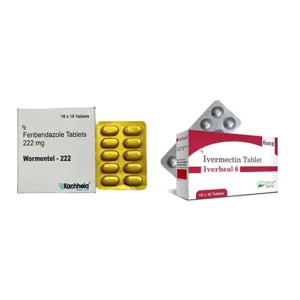
| Manufacturer | Healing Pharma, India, Kachhela Medex Pvt.Ltd |
|---|---|
| Pharmaceutical | Tablet/s |
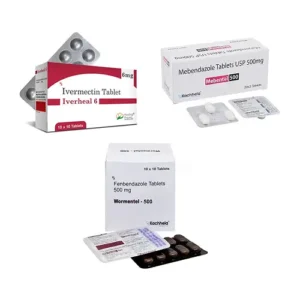
| Tablet/s | Mebentel 100mg (Mebendazole) = 60 Pills, Iverheal 3mg (ivermectin) = 60 Pills |
Related products


Recently Viewed