

Martifur MR 100mg (Nitrofurantoin)
Previous product
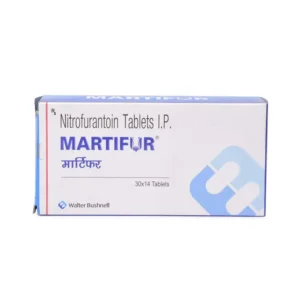
Martifur 100mg (Nitrofurantoin)
$5.00 $14.00Price range: $5.00 through $14.00
Next product

Jardiance 10mg (Empagliflozin)
$38.00 $108.00Price range: $38.00 through $108.00
$10.00 $27.00Price range: $10.00 through $27.00
In Stock
In Stock
Martifur MR 100mg (Nitrofurantoin)
| Pack Size | Price | Quantity | Add To Cart | |
|---|---|---|---|---|
| 30 Tablet/s | $10.00 | |||
| 60 Tablet/s | $19.00 | |||
| 90 Tablet/s | $27.00 | |||
| Want to order in bulk / B2B price? Send Inquiry | ||||
×
Sorry!! Out of Stock
Sorry! Martifur MR 100mg (Nitrofurantoin) is out of stock
Please click below to view other similar medications.
View All Nitrofurantoin Products
Offer You Can't Resist
Free Shipping
Enjoy Free Shipping on Orders above AUD304 (USD199)
Estimate Delivery :
21 September - 28 September
24
Clear and straightforward to order
Fast, inexpensive and great products.
 Australia
February 19, 2025
Response from Modalertaustralia
Thank you for your great feedback! We’re happy to hear you’re satisfied with our pricing, fast service, and product quality. Providing value and reliability is always our goal. We truly appreciate your support!
Last Updated on April 20, 2026

Description
Introduction
Martifur MR 100mg is a modified release (MR) formula that contains Nitrofurantoin, which is an antibiotic commonly employed for treating urinary tract infections (UTIs). It is effective against numerous typical bacteria that cause inflammation in the urinary tract, which makes it an ideal option for patients with uncomplicated UTIs and cystitis in particular.
What is Nitrofurantoin?
- Generic Name: Nitrofurantoin
- Brand Name: Martifur MR (and others)
- Drug Class: Nitrofurans, broad-spectrum antibiotic
- Dosage Form: Modified-release capsules/tablets, 100 mg
Nitrofurantoin functions mainly within the urinary tract, which is why it concentrates in urine and has antibacterial properties.
Mechanism of Action
Nitrofurantoin functions by stopping the bacterial enzymes that are involved in protein, DNA, and the synthesis of cell walls. The drug is converted inside the cell of the bacteria to reactive intermediates, which damage a variety of cells, leading to an end-of-life for bacteria’s life.
The multi-targeting mechanism decreases the possibility of bacterial resistance.
Indications and Uses
Martifur MR 100mg is primarily employed to treat:
- Treatment of uncomplicated urinary tract infections (UTIs):
- Acute cystitis (bladder infections) results from vulnerable species of E. coli, Staphylococcus saprophyticus, Enterococcus, and many others.
- Preventing recurrent UTIs for those who are at risk.
This medication is not indicated for urinary tract infections of the upper part (like the pyelonephritis) or infections that are systemic because of poor penetration into the tissue.
Dosage and Administration
- Adults:
The recommended dosage will be 100 mg once a day (every twelve hours) over 5-7 days for the treatment of non-complicated UTIs. - Children:
Dose is weight-based; consult with your pediatrician. - Administration tips:
- Consume with food for better digestion and lessen stomach upset.
- Consume the capsules or tablets whole. Don’t crush or chew.
- Continue the course as long as you can, even if your symptoms improve, in order to stop reinforcing the symptoms.
Pharmacokinetics
- Absorption: Foods that are well absorbed and digested help in absorption.
- Distribution: It is primarily found in urine and has a minimal penetration into the body’s tissues.
- Metabolism: Hepatic metabolism is minimal.
- Excretion: Mostly excreted unchanged in urine.
- Half-life: About 20 minutes, but therapeutic levels of urine are maintained through the MR formulation.
Side Effects
Common Side Effects:
- Nausea, vomiting
- Loss of appetite
- Diarrhea
- Headache
- Dizziness
Less Common / Serious Side Effects:
- Pulmonary reactions: Interstitial lung disease, a chronic or acute condition, is also known as fibrosis (rare but severe). The symptoms include chest pain and breathing difficulties.
- Hepatotoxicity: Rare liver damage or inflammation.
- Peripheral neuropathy: Tingling, weakness, or weakening, particularly in those suffering from kidney impairment or chronic treatment.
- Allergic reactions: Rash, itching, swelling.
Contraindications
- Hypersensitivity to nitrofurantoin and nitrofuran derivatives.
- A significant kidney dysfunction (creatinine clearance less than 60ml/min) caused by decreased urine excretion, as well as the risk of toxicity.
- The term pregnancy (38-42 weeks) and also during delivery due to the risk of hemolytic anemia among newborns.
- Children under one month old.
Precautions
- Take care when administering this medicine to elderly patients or those who have impaired renal function.
- Be aware of respiratory issues, particularly if you are taking long-term medications.
- Do not use in patients who have liver diseases or pulmonary disease.
- Do not continue therapy for long periods unless under the supervision of a medical professional.
- Contact your doctor if you are breastfeeding, pregnant, or planning to have a baby.
Drug Interactions
- Antacids that contain magnesium trisilicate can decrease the absorption of Nitrofurantoin.
- Probenecid and sulfinpyrazone may lower renal excretion, thereby reducing efficiency.
- It is not known if it interacts with other antibiotics.
Monitoring
- Examine renal function before and during treatment for high-risk patients.
- Be aware of signs of toxic pulmonary disease (persistent breathing, cough).
- Be aware of any neurological signs while undergoing long-term therapy.
- Tests for liver function if required.
Storage
- Keep it below 25°C in a dry area.
- Make sure that the area is safe for youngsters.
- Guard against the elements.
Summary
| Parameter | Details |
| Generic Name | Nitrofurantoin |
| Brand Name | Martifur MR |
| Dosage Form | Modified-release capsule/tablet 100 mg |
| Indications | Uncomplicated urinary tract infections (UTIs) |
| Mechanism of Action | Inhibits bacterial enzyme systems causing DNA/protein damage |
| Dosage | 100 mg twice daily, usually 5-7 days |
| Common Side Effects | Nausea, headache, diarrhea |
| Serious Side Effects | Pulmonary fibrosis, hepatotoxicity, neuropathy |
| Contraindications | Renal impairment, pregnancy near term, infants under 1 month |
| Precautions | Monitor lungs, liver, nerves |
Conclusion
Martifur MR 100mg (Nitrofurantoin) is a specific antibiotic that is effective in treating and preventing non-complicated Urinary tract infections. The modified release formulation permits daily dosing twice a day, which increases the effectiveness of treatment. While it is generally the drug is safe, caution should be taken when dealing with individuals with kidney disorders or who require long-term treatment because of the potential for dangerous side effects. Make sure to use the medication under the supervision of a physician and ensure that you complete the full program to ensure optimal results.
Additional Information
| Manufacturer | Walter Bushnell |
|---|---|
| Pharmaceutical | Tablet/s |
| Strength | 100mg |
| Pack Size | 30 Tablet/s , 60 Tablet/s , 90 Tablet/s |
Related products




Reviews
There are no reviews yet.