

Martifur 50mg (Nitrofurantoin)
Previous product
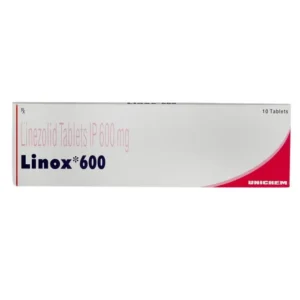
Linox 600mg (Linezolid)
$40.00 $120.00Price range: $40.00 through $120.00
Next product
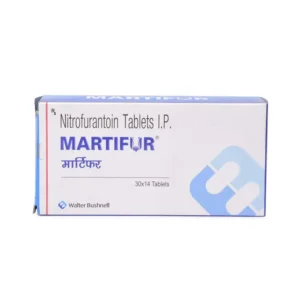
Martifur 100mg (Nitrofurantoin)
$5.00 $14.00Price range: $5.00 through $14.00
$4.00 $11.00Price range: $4.00 through $11.00
In Stock
In Stock
Martifur 50mg (Nitrofurantoin)
| Pack Size | Price | Quantity | Add To Cart | |
|---|---|---|---|---|
| 30 Tablet/s | $4.00 | |||
| 60 Tablet/s | $8.00 | |||
| 90 Tablet/s | $11.00 | |||
| Want to order in bulk / B2B price? Send Inquiry | ||||
×
Sorry!! Out of Stock
Sorry! Martifur 50mg (Nitrofurantoin) is out of stock
Please click below to view other similar medications.
View All Nitrofurantoin Products
Offer You Can't Resist
Free Shipping
Enjoy Free Shipping on Orders above AUD304 (USD199)
Estimate Shipping :
08 June - 15 June
44
Excellent service
Excellent service! My order was processed quickly and delivered on time. The medicines were well-packaged and exactly as described. Highly recommended.
 Australia
May 26, 2026
Last Updated on April 20, 2026

Description
Introduction
Martifur 50mg is an official brand name for Nitrofurantoin, the antibiotic most widely used for treating urinary tract infections (UTIs). It is particularly efficient against the variety of bacteria that commonly affect your urinary tract. Because of its specific activity and pharmacokinetics, it is the most preferred option for simple UTIs.
Chemical Nature and Mechanism of Action
Nitrofurantoin can be described as a synthetic nitrofuran derivative. It acts by interacting with the bacterial enzymes that are involved in DNA, RNA, and protein synthesis, and the cell wall’s synthesis.
- In the aftermath of absorption, Nitrofurantoin is quickly excreted from the urine, where it is found at high levels.
- Within the cell of the bacteria, Nitrofurantoin is diminished by the nitrofuran reductases of bacterial nitrates into reactive intermediates.
- Reactive intermediates can harm bacteria’s DNA as well as macromolecules and cause bacterial death.
- This multifaceted mechanism makes it very difficult to create resistance.
Indications
Martifur 50mg is indicated to treat:
- Uncomplicated urinary tract infections (UTIs): The cause is susceptible strains of Escherichia coli, Staphylococcus saprophyticus, Enterococci, and others.
- Prophylaxis of recurrent UTIs: In certain instances, where the recurrence of infections is commonplace.
This is not a common method to treat systemic infections because of the inability to penetrate tissues.
Dosage and Administration
- Adults: The recommended dosage is 50mg taken by mouth each 6 hours (4 times a day) over 5-7 days.
- Children: Dosage is based upon the weight of the patient and is determined by a physician.
- It is suggested to consume Nitrofurantoin in combination with milk or food to increase absorption and decrease the effects of gastrointestinal issues.
- Be sure to drink plenty of fluids in order to empty the bladder.
- Continue to follow the entire program of treatment, even if your symptoms start to improve.
Pharmacokinetics
- Absorption: The Nitrofurantoin ingredient is easily absorbed by mouth.
- Distribution: It achieves therapeutic concentrations mostly within the urine.
- Metabolism: Minimal systemic metabolism.
- Excretion: The kidneys quickly eliminate it. The majority of the excreted remains unchanged in the urine.
- Due to this excretion of the kidney, Nitrofurantoin is ineffective in those with impaired kidney function.
Side Effects
It is usually well-tolerated; however, adverse reactions can result:
Common Side Effects
- Nausea, vomiting
- Loss of appetite
- Diarrhea
- Headache
- Dizziness
Less Common but Serious Side Effects
- Pulmonary reactions: Chronic or acute lung fibrosis can be chronic or acute, particularly when it is a prolonged treatment.
- Hepatotoxicity (liver inflammation)
- Peripheral neuropathy (numbness or tingling in extremities)
- Hemolytic anemia, especially in patients with G6PD deficiency.
- Allergic reactions such as rash, itching, or swelling.
Precautions and Contraindications
Precautions
- Renal impairment: The use of Nitrofurantoin is not recommended for patients who have a creatinine clearance lower than 60mL/min because of decreased efficacy and a higher risk of toxicity.
- Pregnancy: It is generally safe to use in the third and second trimesters. However, it’s best not to do so in the near future.
- G6PD deficiency: Take care, as it can result in hemolytic anemia.
- Elderly: Be aware of the increased chance of developing pulmonary or hepatic toxicities.
- Be aware of any indications of liver or lung toxicity in the course of treatment.
Contraindications
- There is an established hypersensitivity reaction to Nitrofurantoin or derivatives of nitrofuran.
- Significant renal impairment.
- Neonates younger than 1 month (risk of hemolytic anemia).
Drug Interactions
- Antacids: May reduce Nitrofurantoin absorption.
- Probenecid and sulfinpyrazone: Reduces renal excretion of Nitrofurantoin and increases the risk of toxicity.
- Other interactions aren’t as severe because of the localized effect of the medication.
Patient Counseling and Lifestyle Advice
- Consume with milk or food to ease stomach upset.
- Make sure you drink enough water during the treatment.
- Take the full course, regardless of whether symptoms get better.
- Do not drive or operate equipment if you feel dizzy.
- Inform the doctor if you notice any indication of breathing troubles (shortness of breathing and cough) or liver issues (yellowing of eyes or skin) or neurological signs immediately.
- Tell your physician if you are suffering from kidney disease or have any previous history of anemia.
Summary
Martifur 50mg (Nitrofurantoin) is an efficient antibiotic to treat simple urinary tract infections because of its specific action on the urinary tract. Its distinct mechanism, as well as renal excretion, makes it especially suitable for this use. A proper dosage and monitoring for adverse reactions, and staying away from use for patients suffering from impairment to kidney function are crucial for a safe and efficient treatment.
Additional Information
| Manufacturer | Walter Bushnell |
|---|---|
| Pharmaceutical | 50mg |
| Strength | Tablet/s |
| Pack Size | 30 Tablet/s 60 Tablet/s 90 Tablet/s |
Related products



Recently Viewed

Reviews
There are no reviews yet.