

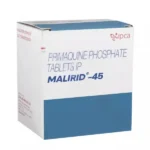
Malirid 2.5mg (Primaquine)
Previous product

Cyclomune 0.05% (Cyclosporine)
$9.74 $48.02Price range: $9.74 through $48.02
Next product

Desirox 250mg (Deferasirox)
$33.00 $89.00Price range: $33.00 through $89.00
$5.00 $15.00Price range: $5.00 through $15.00
In Stock
In Stock
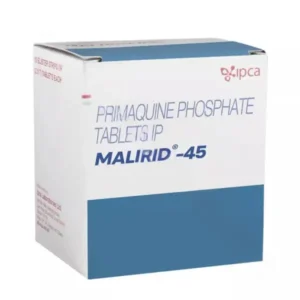
Malirid 2.5mg (Primaquine)
| Pack Size | Price | Quantity | Add To Cart | |
|---|---|---|---|---|
| 28 Tablet/s | $5.00 | |||
| 56 Tablet/s | $10.00 | |||
| 84 Tablet/s | $15.00 | |||
| Want to order in bulk / B2B price? Send Inquiry | ||||
×
Sorry!! Out of Stock
Sorry! Malirid 2.5mg (Primaquine) is out of stock
Please click below to view other similar medications.
View All Primaquine Products

Offer You Can't Resist
Free Shipping
Enjoy Free Shipping on Orders above AUD304 (USD199)
Estimate Shipping :
07 June - 14 June
21
Last Updated on April 20, 2026

Description
Malirid 2.5mg (Primaquine): A Vital Medication in Malaria Treatment
Malaria is one of the major infections in the world, particularly in subtropical and tropical regions. It’s caused by Plasmodium parasites that are transmitted by bites from infected female Anopheles mosquitoes. Of the many medications available in the fight against malaria, Malirid 2.5mg, containing Primaquine, has a significant function, especially in stopping Relapses and finding a complete treatment.
This blog examines Malirid 2.5mg as well as its mechanisms of action, its uses and dosage, adverse consequences, and important safety and security measures.
What is Malirid 2.5mg?
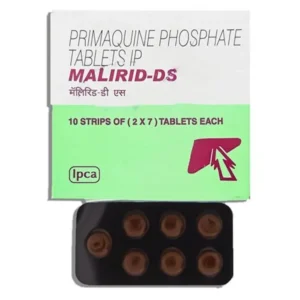
Malirid is a trademark designation for Primaquine phosphate, which is a medication that fights malaria. that is primarily targeted at the dormant stages of liver (hypnozoites) in Plasmodium virax as well as Plasmodium ovale. These stages of the liver are the cause of relapses in malaria infection.
The 2.5mg is the quantity of primaquine present in each tablet. It is usually required to have several tablets to complete a treatment.
How Does Primaquine Work?
Primaquine offers a distinct action in comparison to other antimalarial medications. The majority of antimalarials attack the blood stage of parasites, which results in symptoms such as fever and chills. But, Primaquine targets the liver stage, particularly those that are dormant, which can be reactivated weeks or even months following initial infections, leading to an outbreak.
In removing these parasites from the liver, Primoquine can provide what’s known as a “radical cure”-preventing the infection from coming back. Furthermore, primaquine can be effective against sexual variants of parasites (gametocytes), which helps to decrease the transmission of malaria by mosquitoes.
Uses of Malirid 2.5mg (Primaquine)
Radical Cure of P. vivax and P. ovale Malaria
Primaquine is the sole readily available medication that removes hypnozoites from the liver and can prevent recrudescences. It’s given following initial infection has been dealt with by other antimalarial drugs that target blood stages, including artemisinin or chloroquine-based combination therapies.
Malaria Prophylaxis
In certain instances, primaquine can be used as a the prevention of malaria in travellers or those who live in areas with a high risk of malaria, specifically in those areas where P. viax is more prevalent.
Reducing Malaria Transmission
Since primaquine kills the gametocytes in P. falciparum It helps in reducing malaria’s spread within communities. However, its use isn’t as important to its primary function in stopping the relapse.
Dosage and Administration
Dosing for Malirid (primaquine) will depend upon the goal of treatment, the type of malaria, and the particular characteristics of the patient:
- For radical cure of P. vivax or P. ovale malaria: Primarily, primaquine will be administered for 14 days, at 0.25 mg/kg/day (which is usually equivalent to 15 mg per day in adults). The dosage should be checked by a health specialist.
- For malaria prophylaxis, Different dosing regimens are generally followed. It is usually started a couple of days before departure, and continues every day during exposure and 7 days following leaving the area of endemic.
It is vital to follow the entire prescribed treatment even if the symptoms begin to improve.
Important Considerations Before Taking Malirid
G6PD Deficiency
The most crucial steps to be taken with primaquine are checking to determine glucose-6-phosphate dehydrogenase (G6PD) deficiency before starting treatment. G6PD insufficiency can be a genetic disorder that can trigger the red blood cells in your body to degrade (hemolysis) in the presence of some drugs, such as primaquine.
Patients suffering from G6PD deficiencies are at risk of hemolytic anemia if they consume primaquine in the absence of medical guidance. This is why screening is vital.
Pregnancy and Breastfeeding
The use of primaquine is usually not suggested in the course of pregnancy due to the potential of hemolysis occurring in the fetus. This is especially true when the baby’s G6PD condition is not known. It is recommended to be cautious when nursing.
Other Medical Conditions
Contact your doctor if you are suffering from blood issues, such as kidney or liver disease, or if you’re on other medications.
Side Effects of Malirid 2.5mg
The majority of patients are tolerant to primaquine in the right dosage. The most common side effects are:
Serious Side Effects
- Hemolytic anemia: Particularly in those with G6PD deficiency, it is characterized by tiredness, dark urine, and jaundice. It can also cause breathing problems.
- Methemoglobinemia: Rarely, oxygen supply to tissues is diminished, which causes an eerie blue discoloration on the skin and lips.
- Allergic reactions (rash, itching, swelling)
If you notice any signs of serious illness, take immediate medical care.
How to Take Malirid Safely
- Use Malirid in conjunction with meals to lessen stomach discomfort.
- Make sure you follow the dose as prescribed and finish the entire treatment program.
- Never self-medicate. Take primaquine with medical advice, specifically with regard to G6PD test results.
- Check for any abnormal symptoms and then report any unusual symptoms to your doctor.
Role of Malirid in Malaria Control Programs
Malirid has a crucial role in the elimination of malaria strategies and strategies, particularly in areas in which P. viax is common. In preventing relapses from occurring and reducing the total amount of malaria and assists in breaking the cycle of transmission.
Authorities in health often incorporate primaquine as a component of recommendations for the treatment of malaria to enhance outcomes and reduce the spread of malaria.
Summary
Malirid 2.5mg (Primaquine) is one of the most important medications in fighting malaria, especially for those seeking a complete treatment by eliminating the liver stage parasites, which cause recurrent malaria. This unique method is a complement to the other antimalarial medications that attack blood stages, which makes it essential to complete the treatment of malaria.
Although very effective, primaquine needs to be handled with care, particularly because of the potential for hemolysis among patients with G6PD deficiency. A thorough medical assessment, which includes G6PD tests, adhering to doses, and monitoring, assures that the treatment is safe and effective.
If somebody you know is receiving treatment for malaria, understanding the function of Malirid could help in ensuring an effective and long-lasting treatment.
Additional Information
| Manufacturer | Ipca Laboratories Ltd |
|---|---|
| Pharmaceutical | Tablet/s |
| Strength | 2.5 mg |
| Pack Size | 28 Tablet/s, 56 Tablet/s, 84 Tablet/s |
Related products


Recently Viewed
Reviews
There are no reviews yet.