

Macpred 16mg (Methylprednisolone)
Previous product
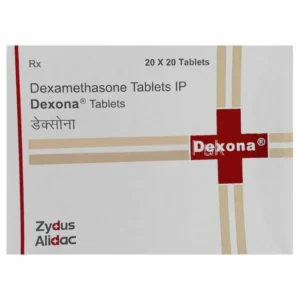
Dexona 4mg Injection (Dexamethasone)
A$21.66 A$70.76Price range: A$21.66 through A$70.76
Next product
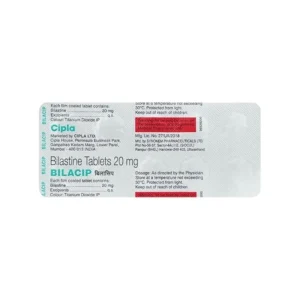
Bilacip 20mg (Bilastine)
A$49.10 A$158.84Price range: A$49.10 through A$158.84
A$34.66 A$79.42Price range: A$34.66 through A$79.42
In Stock
In Stock
Macpred 16mg (Methylprednisolone)
| Pack Size | Price | Quantity | Add To Cart | |
|---|---|---|---|---|
| 30 Tablet/s | A$34.66 | |||
| 60 Tablet/s | A$57.76 | |||
| 90 Tablet/s | A$79.42 | |||
| Want to order in bulk / B2B price? Send Inquiry | ||||
×
Sorry!! Out of Stock
Sorry! Macpred 16mg (Methylprednisolone) is out of stock
Please click below to view other similar medications.
View All Methylprednisolone Products


Offer You Can't Resist
Free Shipping
Enjoy Free Shipping on Orders above AUD304 (USD199)
Estimate Delivery :
11 September - 18 September
27
Trusted Service
Good experience overall. The team was responsive, the ordering process was simple, and I received clear information about my shipment. Professional service and good customer support.
 Australia
August 16, 2026
Last Updated on April 20, 2026

Description
Introduction
Macpred 16mg is a supplement to Methylprednisolone, which is a synthetic corticosteroid that is widely utilized for its anti-inflammatory and immunosuppressive effects. It’s used to treat numerous diseases caused by inflammation, immune-mediated diseases, allergic reactions, and others. It mimics the actions of the natural hormones steroids that are produced by the adrenal glands.
What is Methylprednisolone?
Methylprednisolone is a glucocorticoid drug that helps reduce inflammation by reducing the immune system. It is often used to treat circumstances in which the immune system is excessively active or when inflammation leads to tissue damage.
It’s available in various types, including injections, tablets, and topical solutions. Macpred 16mg is specifically the tablet that is oral with a dose of 16 mg.
Mechanism of Action
Methylprednisolone works by:
- Suppressing immune system activity: It also reduces the creation and activation of the immune cells that cause inflammation.
- Inhibiting inflammatory mediators: It lowers the amount of compounds like prostaglandins as well as leukotrienes, which cause inflammation.
- Reducing capillary permeability: This can help limit the leakage of fluid and swelling.
- Altering gene expression: It alters the transcription of several genes to reduce inflammation and immune responses.
The result is less inflammation, redness, pain, and injury.
Indications
Macpred 16mg is utilized in various illnesses and conditions. It includes:
- Autoimmune diseases: Rheumatoid arthritis, lupus, multiple sclerosis.
- Allergic reactions: Severe allergies, asthma exacerbations.
- Inflammatory diseases: Inflammatory bowel disease (Crohn’s, ulcerative colitis), skin conditions.
- Endocrine disorders: Adrenal insufficiency.
- Certain cancers: As part of chemotherapy protocols.
- Organ transplantation: To prevent rejection.
- Neurological conditions: Acute spinal cord injury, cerebral edema.
- Other: Severe infections with inflammatory response, shock.
Dosage and Administration
The dose of Macpred 16mg depends greatly on the disease that is being treated, the severity, and the response of the patient.
- Typical adult dosage:
The dosage ranges from 4 mg up to 48 mg per day or greater, typically broken down into multiple or one dosage. - Initial high doses: Sometimes used in extreme situations and gradually tapers off to lower dosages.
- Duration: Could be either short-term (days up to weeks) or longer-term, depending upon the condition.
Important: Dosage needs to be customized and carefully monitored by a health specialist.
Pharmacokinetics
- Absorption: Orally absorbed quickly, with maximum plasma concentrations within 1 to 2 hours.
- Distribution: All over the body All over the body, including the central nervous system.
- Metabolism: Liver metabolism is controlled by CYP3A4 enzymes.
- Half-life: The biological half-life spans between 18 and 36 hours.
- Excretion: Most of the time, urine is excreted in the form of compounds.
Side Effects
Methylprednisolone, like other corticosteroids, can trigger numerous adverse reactions, particularly during prolonged usage or at large dosages.
Common side effects:
- Increased appetite and weight gain
- Mood swings, anxiety, insomnia
- Elevated blood sugar levels (hyperglycemia)
- Fluid retention and swelling
- Increased susceptibility to infections
- Indigestion, stomach upset
- Acne or skin thinning
- Muscle weakness
Serious side effects:
- Osteoporosis and increased fracture risk
- Cataracts and glaucoma
- Suppression of adrenal gland function (adrenal insufficiency)
- Peptic ulcers and gastrointestinal bleeding
- Hypertension (high blood pressure)
- Mood disorders, psychosis
- Cushingoid appearance (moon face, buffalo hump)
- Growth suppression in children
Precautions
- Don’t quit abruptly, unless you have medical advice -there’s a chance of adrenal dysfunction.
- Use lowest effective dose for shortest duration possible.
- Be aware of the blood sugar, pressure levels, bone density, and eye health during long-term usage.
- Contact your physician if you are suffering from an infection, diabetes, hypertension, osteoporosis, or other psychiatric disorders.
- Do not take live vaccines during treatment.
- Breastfeeding or pregnant women are advised to take only when clearly necessary and if prescribed.
Drug Interactions
Methylprednisolone is a drug that interacts with a variety of other drugs, which affect the efficacy of these drugs as well as their negative effects:
- CYP3A4 inducers (e.g., rifampin, phenytoin): Enhance metabolism and lower the levels of steroids.
- CYP3A4 inhibitors (e.g., ketoconazole): Steroid levels increase, increasing the risk of toxicity.
- NSAIDs: Greater risk of stomach ulcers or bleeding.
- Anticoagulants: Could alter the blood clotting.
- Diabetes medications: May require dose adjustments due to hyperglycemia.
- Vaccines: Risk of increased risk and decreased effectiveness in the case of live vaccines.
Monitoring
Regular monitoring during treatment includes:
- Improvement in symptoms and clinical response.
- Blood pressure, blood sugar, and electrolyte levels.
- Bone density (DEXA scans) for long-term therapy.
- Eye exams for cataracts/glaucoma risk.
- Signs of infection or adrenal suppression.
Special Considerations
- Tapering: Reduced doses are essential for allowing the adrenal glands to restore normal functioning.
- Stress doses: In the event of surgery or a serious illness, the dose of the steroid may require an increase for a short period of time.
- Pediatric use: Keep an eye on development and growth closely.
- Elderly: An increased risk of developing osteoporosis infection, as well as metabolic problems.
Patient Counseling
- Follow the exact dosage as directed; do not stop suddenly.
- Consume food for a reduction in stomach discomfort.
- Write down symptoms, such as symptoms of a change in vision, extreme mood fluctuations, symptoms of infection, or unusual weight growth.
- Beware of infections, and inform health professionals of using steroids before undertaking any procedures.
- Keep a healthy lifestyle and exercise in order to avoid adverse consequences.
Storage
- Keep at room temperature, free of heat and moisture.
- Be sure to keep away from young children.
- Use only after the expiration date.
Summary Table
| Aspect | Details |
| Drug Name | Macpred 16mg (Methylprednisolone) |
| Class | Corticosteroid, glucocorticoid |
| Uses | Inflammation, autoimmune diseases, allergies, cancer, transplant rejection |
| Typical Dose | 4–48 mg/day, individualized |
| Mechanism | Anti-inflammatory, immunosuppressive |
| Common Side Effects | Weight gain, mood changes, hyperglycemia, infections |
| Serious Side Effects | Osteoporosis, adrenal suppression, ulcers |
| Monitoring | Blood sugar, blood pressure, bone density, eye exams |
| Precautions | Do not stop abruptly; monitor closely |
Conclusion
Macpred 16mg (Methylprednisolone) is an effective corticosteroid that is essential to manage various autoimmune and inflammation-related diseases. It should be administered with care and supervision from a medical professional to ensure that it balances its powerful therapeutic effects with its potential adverse consequences. Monitoring and education of patients are essential to ensure the safety and effectiveness of its use.
Related products






Reviews
There are no reviews yet.