
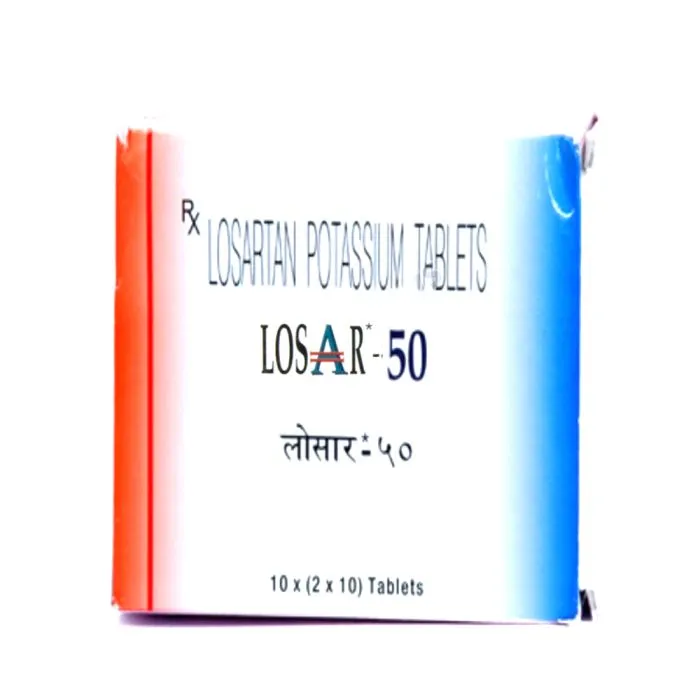
Losar 50mg (Losartan Potassium)
Previous product
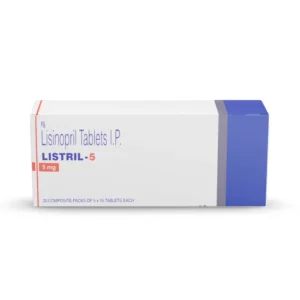
Listril 5mg (Lisinopril)
$27.00 $36.00Price range: $27.00 through $36.00
Next product
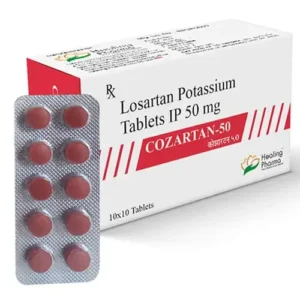
Cozartan 50mg (Losartan Potassium)
$33.00 $72.50Price range: $33.00 through $72.50
$20.00 $33.00Price range: $20.00 through $33.00
In Stock
In Stock
Losar 50mg (Losartan Potassium)
| Pack Size | Price | Quantity | Add To Cart | |
|---|---|---|---|---|
| 60 Tablet/s | $20.00 | |||
| 90 Tablet/s | $26.00 | |||
| 120 Tablet/s | $33.00 | |||
| Want to order in bulk / B2B price? Send Inquiry | ||||
×
Sorry!! Out of Stock
Sorry! Losar 50mg (Losartan Potassium) is out of stock
Please click below to view other similar medications.
View All Losartan Potassium Products

Offer You Can't Resist
Free Shipping
Enjoy Free Shipping on Orders above AUD304 (USD199)
Estimate Shipping :
07 June - 14 June
22
Last Updated on April 19, 2026

Description
Introduction
The Losar 50mg dosage is the generic name of the medication Losartan Potassium, an oral medicine widely used to control the high blood pressure (hypertension) as well as protect the kidneys from harm caused by diseases like diabetes and. Losartan is part of a group of medications that are known as angiotensin II-receptor blockers (ARBs). It functions by reducing blood vessels. This lowers blood pressure and increases circulation, which reduces the chance of having strokes, heart attacks, as well as kidney issues.
What is Losartan Potassium?
Losartan Potassium is an antihypertensive medicine that is used primarily for treating hypertension (high blood pressure). It reduces the effect of angiotensin II, a hormone that causes blood vessels expand, which results in the dilation of blood vessels and a decrease in blood pressure.
Alongside hypertension, the drug Losartan can also be used for:
- Maintain kidney function for those who suffer from type 2 diabetes as well as proteinuria (an excess amount of protein found in urine).
- Lower the risk of stroke for patients suffering from hypertension and left hypertrophic ventricular.
- Control heart failure and minimize the risk of complications following a heart attack.
Mechanism of Action
Losartan is a specific antagonist to the angiotensin II type 1 (AT1) receptor. Angiotensin II is a potent vasoconstrictor that raises blood pressure through narrowing blood vessels and also increasing aldosterone production, which leads to the retention of sodium and water.
By blocking AT1 receptors, Losartan:
- Prevents vasoconstriction.
- Lowers the secretion of aldosterone.
- Increases the excretion of sodium as well as water.
- Reduces peripheral resistance as well as blood pressure.
This process assists in controlling blood pressure and also reducing the burden on the heart.
Indications
Losar 50 mg is prescribed to treat:
- Hypertension (high blood pressure) management.
- Diabetic Nephropathy and proteinuria stop the development of kidney diseases.
- Reduced risk of stroke in patients who are hypertensive and have left-ventricular hypertrophy.
- The management of heart failure is a possibility in some situations.
- Post-myocardial ischemia to increase survival and lessen the risk of cardiovascular complications.
Dosage and Administration
- Hypertension: The most common starting dose is 50 mg twice per day. The dosage can be altered according to the patient’s response, which ranges from 25 mg up to 100 mg per day, in a single dose or split into two doses.
- Diabetic nephropathy: The typical dose is 50 mg, once a day.
- Stroke risk reduction: 50 mg twice daily can be increased up to 100 mg a day according to tolerance and reaction.
Dosage must be customized, taking into account factors like the liver’s function, renal function, and the concomitant medication.
Pharmacokinetics
- Absorption: Losartan can be absorbed rapidly following oral administration. It is metabolized in the first pass of the liver.
- Bioavailability: Approximately 33%.
- Metabolism: It is extensively metabolized into an active metabolic product (EXP3174) that is more effective.
- Half-life: Losartan has 2-hour duration; the active metabolitehas a duration between 6 and 9 hours.
- Excretion: The most common route is via urine and feces.
Side Effects
The Losar 50 mg is usually safe; it may trigger adverse reactions in some patients:
Common Side Effects
- The feeling of lightheadedness or dizziness is common, especially when standing for a long time (due to the blood pressure-lowering effects).
- Fatigue.
- Nasal congestion.
- Back pain.
- Diarrhea.
Less Common but Serious Side Effects
- Hyperkalemia (elevated potassium levels) — may be hazardous if they are the severity is severe.
- Kidney function is impaired.
- Allergic reactions: rash, itching, swelling.
- Angioedema (rare but life-threatening swelling of face, lips, throat).
- Hypertension (excessively high blood pressure) is particularly problematic in volume-depleted patients.
Patients must report any severe adverse reactions or symptoms of an allergic reaction immediately.
Contraindications
The use of Losartan is not recommended for:
- Patients who are hypersensitive to any ingredient of the preparation.
- Women, who are pregnant, particularly during the second trimester, are at a higher risk of injury to the fetus or even death.
- Patients suffering from bilateral renal arterial narrowing.
- A severe hepatic impairment.
Precautions and Warnings
- Check blood pressure frequently in order to stay clear of the possibility of hypotension.
- Examine the kidney’s function as well as electrolytes, particularly potassium.
- Take care when treating patients with liver or kidney disease.
- Do not take potassium supplements or diuretics with potassium-sparing properties unless advised by a doctor.
- It is not recommended to take part in the course of pregnancy or while breastfeeding.
- Discuss with your physician all other medicines you are taking to ensure that there are no interactions.
Drug Interactions
- Potassium supplements or potassium-sparing diuretics: Risk of hyperkalemia.
- NSAIDs: Might reduce the effect of antihypertensives and may cause a decrease in kidney function.
- Lithium: The risk of lithium poisoning in combination.
- Other antihypertensive drugs: It could also have benefits to lower blood pressure.
- Diuretics: Sometimes, they are used in conjunction, but need surveillance of electrolytes as well as kidney functioning.
Use in Special Populations
- Elderly: Begin by taking a smaller dose and monitor blood pressure carefully.
- Children: The safety and effectiveness of the drug in children have not been established.
- Renal impairment: It is possible to make adjustments to the dosage.
- Hepatic impairment: Be cautious; dosage modifications are advised.
Patient Counseling Information
- Use Losar 50 mg according to the prescription, whether or not you eat.
- Do not stop abruptly without consulting your physician.
- Slowly rise from lying or sitting positions to avoid confusion.
- Report any symptoms, such as swelling of the throat or face, breathing difficulties, extreme dizziness, or the sensation of palpitations as soon as you notice them.
- Regularly monitor the kidney’s function, blood pressure, and electrolyte levels.
- Be sure to inform healthcare professionals about any medicines and supplements you are taking.
Benefits of Losar 50 mg
- A healthy blood pressure management program decreases the risk of heart attacks, strokes and kidney diseases.
- Protection of the kidneys for those with diabetes.
- It is generally well-tolerated and comes with simple once-a-day dosing.
- The drug can be used on its own or in combination with antihypertensives.
Conclusion
Losar 50 mg (Losartan Potassium) is a frequently prescribed medicine that plays an important role in reducing hypertension, as well as safeguarding organs against damage from high blood pressure and diabetes. The fact that it acts as an angiotensin II receptor blocker enables it to reduce blood pressure, while also reducing many adverse effects that are associated with earlier types of antihypertensive medication. Patients who receive Losar must adhere to strict prescriptions for dosage, report any adverse reactions promptly, and maintain regular checkups with their doctor for safe and efficient treatments.
Related products



Recently Viewed
Reviews
There are no reviews yet.